
Last updated November 24, 2026
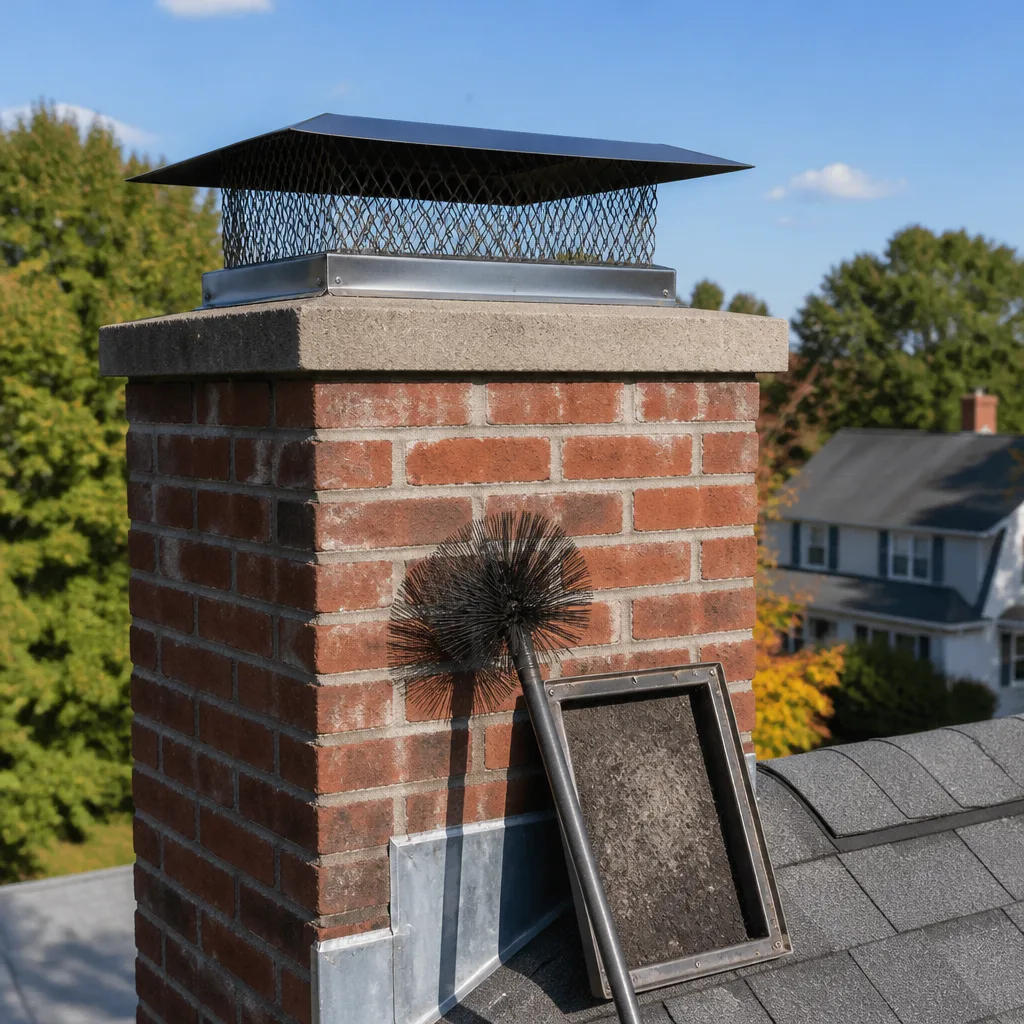 Sweep & inspection
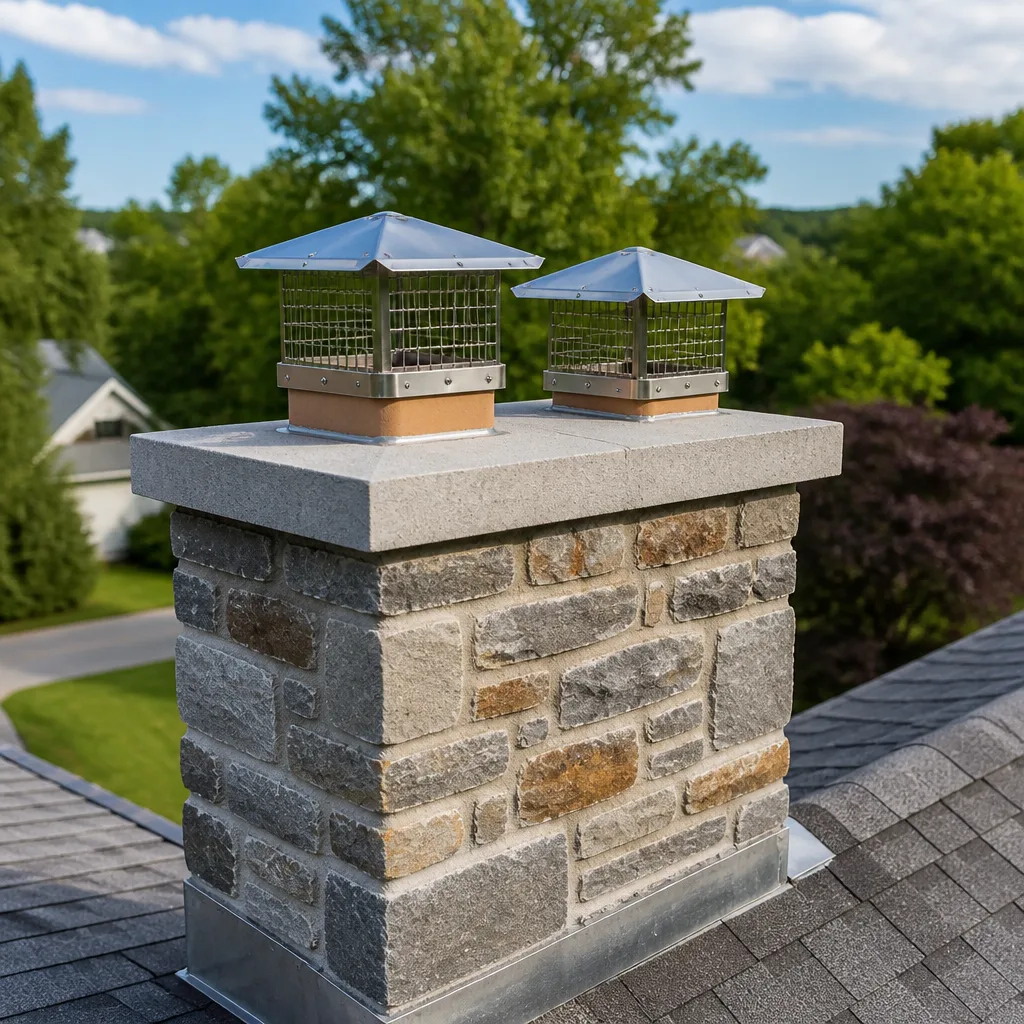 Caps & crowns
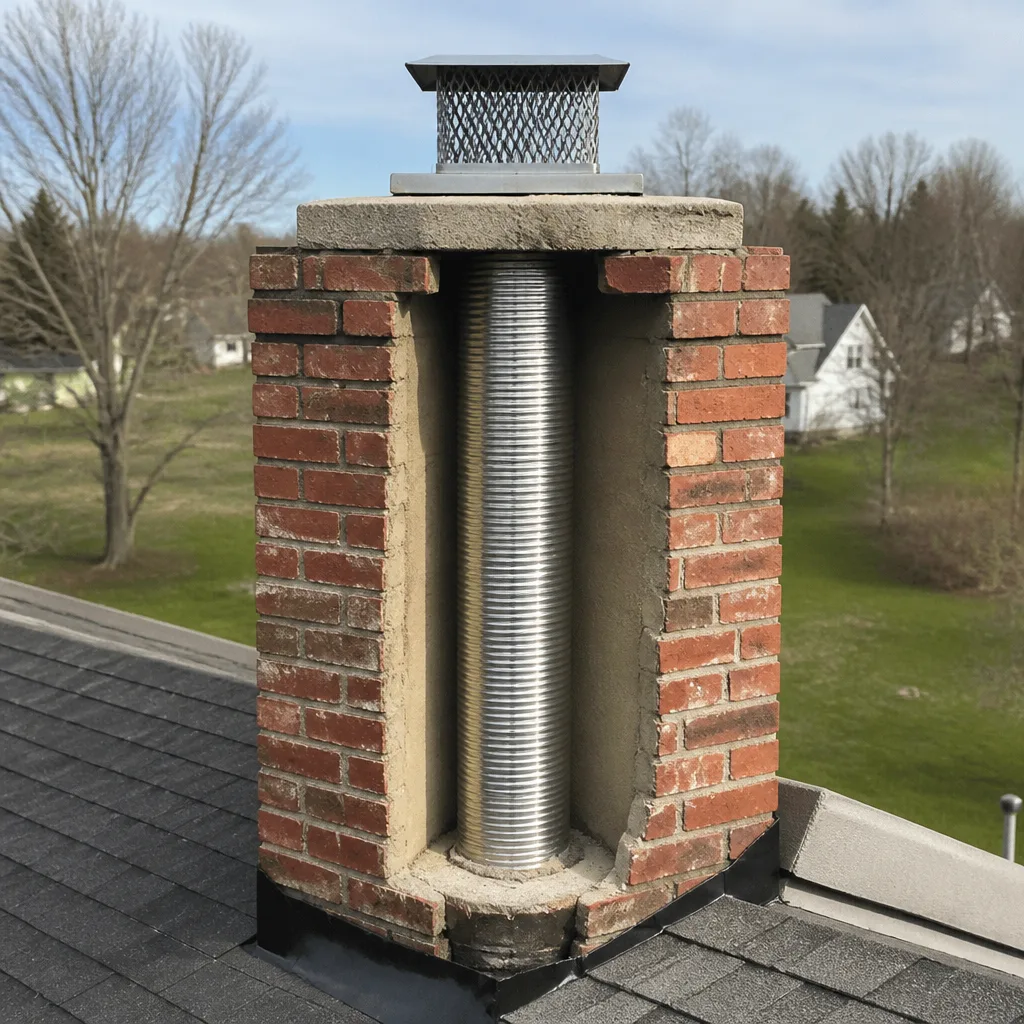 Flue relining
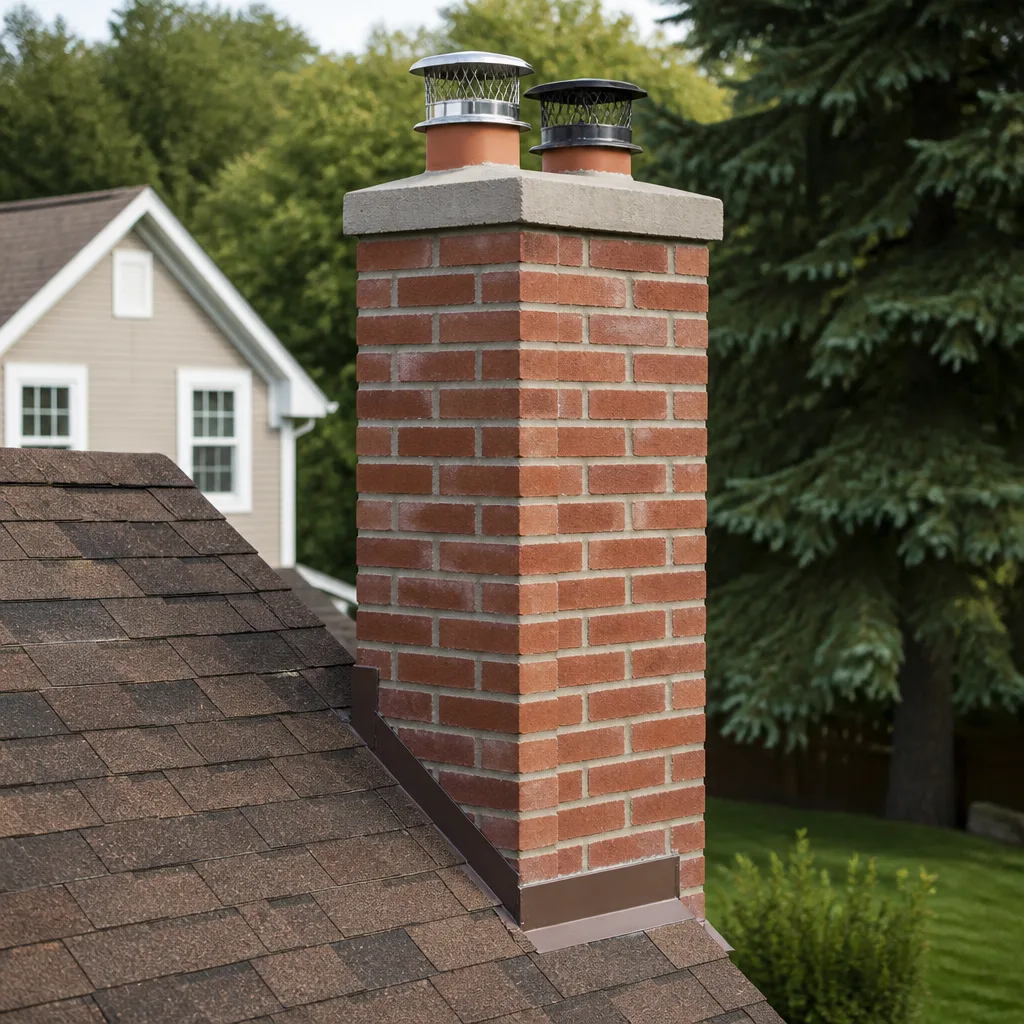 Masonry repair
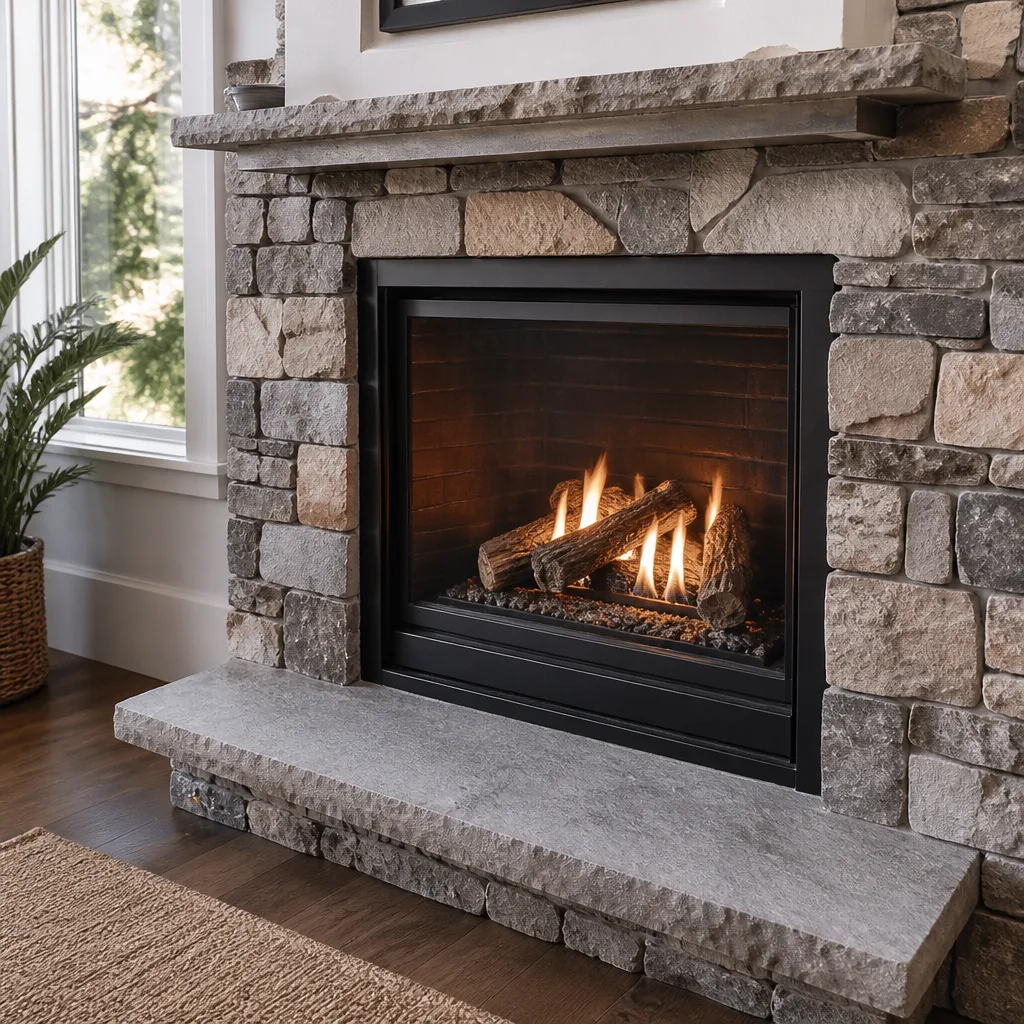 Gas fireplace service
Level 1 sweep and inspection to the NFPA 211 annual standard - flue, crown, cap, and flashing checked and photographed
Chimney sweep logs do not sweep chimneys. They loosen some creosote - which then falls where a brush and vacuum still have to collect it.
Chimney Cleaning Emergency Preparedness Guide for The Heights Homes
Most homeowners think chimney emergencies mean a fire in the flue. In our experience across The Heights, the more common call comes the day after a Houston storm rolls through: water running down the firebox, a cap sitting in the yard, or a family who just bought a bungalow and wants to know if the fireplace is safe to use before the first cool night. A chimney fail during a power outage is a poor time to discover a cracked liner or a missing cap. This guide covers the before, during, and after of storm damage, water intrusion, and unknown-condition flues so you have a plan long before you need one.
Quick Answer
Chimney emergency preparedness in The Heights means three things: securing your cap, crown, damper, and flashing before a named storm, knowing the specific damage patterns that mean “do not light a fire” after one, and having a documented inspection on file so an insurance claim or a first fire in an unfamiliar house isn’t a guess. A recent inspection report and a lined, capped flue are what let you use your fireplace safely when the power is out.
Styles & brands we work with
- Sweep & inspection
- Caps & crowns
- Flue relining
- Masonry repair
- Gas fireplace service
Table of Contents
- Pre-Storm Chimney Preparation: What to Check and Secure
- Post-Storm Inspection Protocol: Damage Patterns That Ground the Fireplace
- Using a Fireplace During a Power Outage
- What to Do If You Have a Chimney Fire
- Moving Into a House With an Unknown-Condition Flue
- Establishing a Relationship With a Sweep Before You Need One
- Water Intrusion: When the Fireplace Becomes an Entry Point
Pre-Storm Chimney Preparation: What to Check and Secure
Chimney preparation before a named storm is mostly about the parts that live on the roof and the parts that seal the top of the flue. Wind and driving rain find the weakest point first, and on a chimney that’s the cap, the crown, and the flashing where the chimney meets the roof. Here’s what to check before landfall, in the order that matters.
- The cap. A chimney cap is the metal hood that covers the flue opening and keeps rain, debris, and animals out. Look for loose legs, a bent or missing top, or a cap that’s shifted off-center. A cap that’s already rattling will not survive high wind.
- The crown. The crown is the concrete or masonry slab at the very top of the chimney that sheds water away from the flue. Hairline cracks are common and can widen under storm stress. If the crown is cracked or crumbling, water gets into the masonry every time it rains.
- The damper. Check that the damper opens, closes, and seats fully. A damper that won’t close lets wind-driven rain and downdrafts straight into the firebox.
- The flashing. Flashing is the metal seal where the chimney penetrates the roof. Lifted or rusted flashing is the most common source of roof leaks around a chimney. Look for gaps, curled edges, or missing sealant.
- Loose mortar and spalling brick. Tap the masonry lightly. Crumbling joints or brick faces flaking off mean the chimney is already weakened and a storm can take more of it down.
Anything you can’t see safely from the ground should be checked on the roof by a professional. If you find damage, fixing it before the storm is far less expensive than repairing water damage afterward. Our chimney cap & crown work covers exactly these top-of-the-chimney components, and installing a proper cap and crown is the single most effective step you can take to protect a flue from storm and rain intrusion.
Post-Storm Inspection Protocol: Damage Patterns That Ground the Fireplace
After high winds, falling debris, or hail, some chimney damage is visible and some isn’t. The visible patterns below mean do not light a fire until a professional has looked at it. This isn’t about being overly cautious; a damaged flue or a dislodged liner can let combustion gases and carbon monoxide into the house instead of up and out.
- A missing or displaced cap. If the cap is gone, the flue is open to rain and debris, and there’s nothing stopping a downdraft from pushing smoke and gases back inside.
- Cracked or missing crown. A broken crown lets water pour into the masonry. The chimney can look fine from the living room while the flue is soaking wet.
- Visible cracks in the flue tile or liner. Any crack in the flue lining is a path for carbon monoxide into the home. This is the pattern that most often grounds a fireplace immediately.
- Displaced or fallen brickwork. Loose brick or chunks of mortar on the roof or in the yard mean the chimney structure itself has moved or failed.
- Water stains or rust in the firebox. Rusted damper hardware or water streaks mean storm water got in. A wet firebox needs to dry out and be inspected before use.
- A smell of smoke or soot in the house when no fire is burning. That’s a sign of a blocked or damaged flue.
If you see any of these in The Heights after a storm, treat the fireplace as out of service until it’s been checked. An inspection is how you separate “looks bad” from “actually unsafe.” We sweep, inspect, and repair, so the same technician who finds the problem can fix it, and the inspection creates a documented baseline that supports insurance claims and real-estate transactions.
Using a Fireplace During a Power Outage
A wood-burning fireplace can be a genuine comfort during a power outage, but only if the flue is sound and the draft is working. If you haven’t had a recent inspection, there are minimum checks to make before you light a single fire. These don’t replace a professional inspection; they tell you whether it’s safe to proceed at all.
- Look up the flue with a flashlight. With the damper open, shine a light up the chimney. You should see clean flue walls and daylight at the top. Heavy soot buildup, a visible blockage, or no light means do not light a fire.
- Confirm the damper opens fully. A damper stuck partway open can push smoke into the room. Test it before you load any wood.
- Check for water or rust. Damp wood, a wet firebox, or rusted hardware all point to a flue that has taken on water and needs attention first.
- Make sure the cap is in place. An open flue top invites downdrafts, rain, and animals. No cap is a reason to wait.
- Use dry, seasoned wood and don’t overload. A hot, smoldering fire makes more creosote and more smoke. Small, hot fires burn cleaner and draft better.
One more thing to plan for: in a power outage, a gas insert with an electronic ignition may not light, and a wood insert with a blower depends on electricity for the blower but not for combustion. Know how your appliance works before the lights go out. And if anything about the flue looks wrong, don’t light it. That’s the point at which you call us rather than guess. Call (877) 810-4894; we answer 24/7, with fast dispatch from 7am to 7pm, Sunday through Friday.
What to Do If You Have a Chimney Fire
A chimney fire is a genuine safety event, and the sequence of actions matters more than anything else. Knowing them in advance is the whole point of being prepared. Signs include a loud roaring or popping sound, dense smoke or flames from the top, a strong burning smell, and the damper or stovepipe glowing. If you suspect a chimney fire, do these things in order.
- Get everyone out of the house and call 911. Call the fire department even if you think it’s out. A fire inside a masonry chimney can spread into the structure where you can’t see it.
- If it’s safe to do so, close the damper and the glass doors. Cutting off the air supply can help starve the fire. Never do this if it puts you in danger.
- Don’t pour water down the flue. Dumping water on a hot flue can crack the masonry and send steam and debris into the room.
- Don’t go back inside for belongings. Stay out until the fire department says it’s clear.
- Don’t use the fireplace again until it’s been inspected. A chimney fire often leaves behind a cracked flue liner or damaged masonry that only an inspection will find.
For insurance, documentation is what gets a claim paid. Photograph and video the chimney, the firebox, and any visible damage before anything is cleaned up, keep the fire department’s report, and get a written inspection afterward. A professional inspection that documents the condition of the flue is exactly the record an insurer wants. If you’ve had a chimney fire in The Heights, we can inspect the system and, where the lining is compromised, install a new flue. DuraFlex liner systems are what we specify for relining, because a properly lined flue isn’t a luxury; it’s the difference between safe combustion and carbon monoxide risk.
Moving Into a House With an Unknown-Condition Flue
Buying a house in The Heights often means buying a fireplace with no service history. The previous owner may have used it for years, or not at all, and there’s no way to tell from a walkthrough. The safe rule: treat any fireplace with no documented inspection as unknown until you’ve had it checked. Before the first fire, a professional inspection tells you what the flue is actually made of, whether the liner is intact, whether the damper works, and whether a cap and crown are in place.
These are the questions an inspection answers:
- Is the flue lined, and is the lining intact?
- Is there a chimney cap, and is it intact and correctly sized?
- Is the crown sound and shedding water?
- Is the firebox and damper in usable condition?
- Is there soot or creosote buildup from prior use?
This matters for more than safety. If you’re buying or selling a home, an inspection creates a documented record of the chimney’s condition that supports the transaction and any insurance conversations. And where the firebox is deteriorating, HeatShield restoration lets us rebuild it without tearing out the whole fireplace, which is a repair many sweep-only services can’t offer. Once you know the condition, you can decide what needs to be done now and what can wait. Our fireplace repair work covers firebox and damper problems that turn up in a first inspection.
Establishing a Relationship With a Sweep Before You Need One
The worst time to look for a chimney professional is the day after a storm, when every number you call is booked or is a storm-chaser who won’t be around next season. The better move is to establish a relationship on a normal day, when nothing is urgent. That way, when something goes wrong, you’re calling someone who already knows your chimney.
Here’s what that looks like in practice:
- Get a baseline inspection and sweep on a routine schedule. A documented inspection gives you a record to compare against if damage turns up later.
- Ask what the sweep can actually do. A cleaning-only crew can clean but can’t diagnose or repair. A full-service specialist can sweep, inspect, cap, reline, and repair, so there’s no finger-pointing between separate vendors.
- Keep the report on file. An inspection report is what supports an insurance claim or a real-estate transaction later.
- Know how to reach them. Keep the number where you’ll find it in the dark. Call (877) 810-4894; we answer 24/7, with fast dispatch from 7am to 7pm, Sunday through Friday.
At Chimney Sweep The Heights, the same technician who diagnoses a problem can fix it, whether that’s a cap, a crown, a liner, or a firebox. That continuity is the difference between a maintenance visit and a real relationship with your chimney system. A routine chimney sweep is the easiest way to start it.
Water Intrusion: When the Fireplace Becomes an Entry Point
In The Heights, a fireplace that takes on water is one of the most common problems we see, and it usually traces back to the top of the chimney. Water finds its way in through a missing or loose cap, a cracked crown, or failed flashing, and the first sign inside the house is often a water stain, a rusted damper, or a smell of damp soot. Left alone, water weakens the masonry and shortens the life of the whole chimney system.
The fix starts with the top. A properly sized and fitted chimney cap keeps rain and animals out. A sound crown sheds water away from the flue instead of letting it soak in. And correct flashing keeps water from running down around the chimney where it meets the roof. Cap, crown, liner, firebox: if it’s part of your chimney system, it’s part of what we do. Installing top-of-chimney components with Copperfield and Gelco materials means the parts we put on are the same products specified by certified chimney professionals.
If you’ve seen water in your firebox after a storm, don’t light a fire until the chimney has dried out and been inspected. A damp firebox and wet masonry need to be checked for damage before they’re put back in service. When the power goes out and you want the fireplace, you need to know it’s sound. That’s the call to make now, not later.
Common Mistakes to Avoid
- Lighting a fire after a storm without checking the cap and crown. Wind and rain often take the cap or crack the crown, and a fire lit into a water-damaged flue is a carbon monoxide risk. Look before you light.
- Assuming a cleaning-only sweep can diagnose a problem. A sweep who can’t repair will clean and leave you to find someone else for the fix. Choose a full-service specialist so the diagnosis and the repair stay with one contractor.
- Ignoring water stains in the firebox. A stain or rusted damper is a sign that water is getting in through the top. Fix the cap, crown, or flashing before the damage spreads into the masonry.
- Burning green or wet wood. Unseasoned wood makes more creosote and more smoke. Dry, seasoned wood burns cleaner and drafts better.
- Skipping the inspection after a chimney fire. A chimney fire can crack the flue liner in ways you can’t see. An inspection is what catches it before the next fire does.
- Relying on a storm-chaser list when you need help fast. The number that shows up after a storm may not be around next season. Build a relationship with a local specialist on a normal day.
- Using an unknown flue without a baseline inspection. A new-to-you fireplace has no history until it’s inspected. Treat it as unknown until it’s been checked.
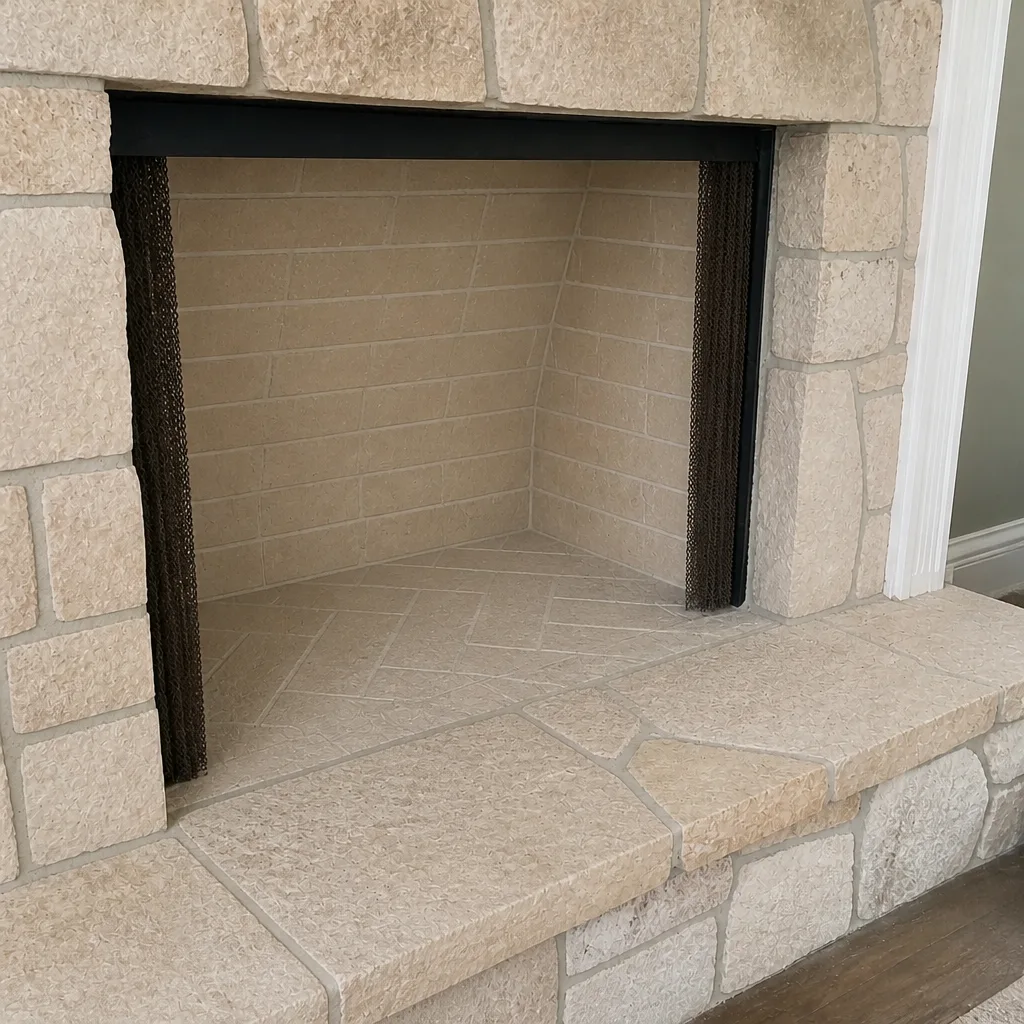
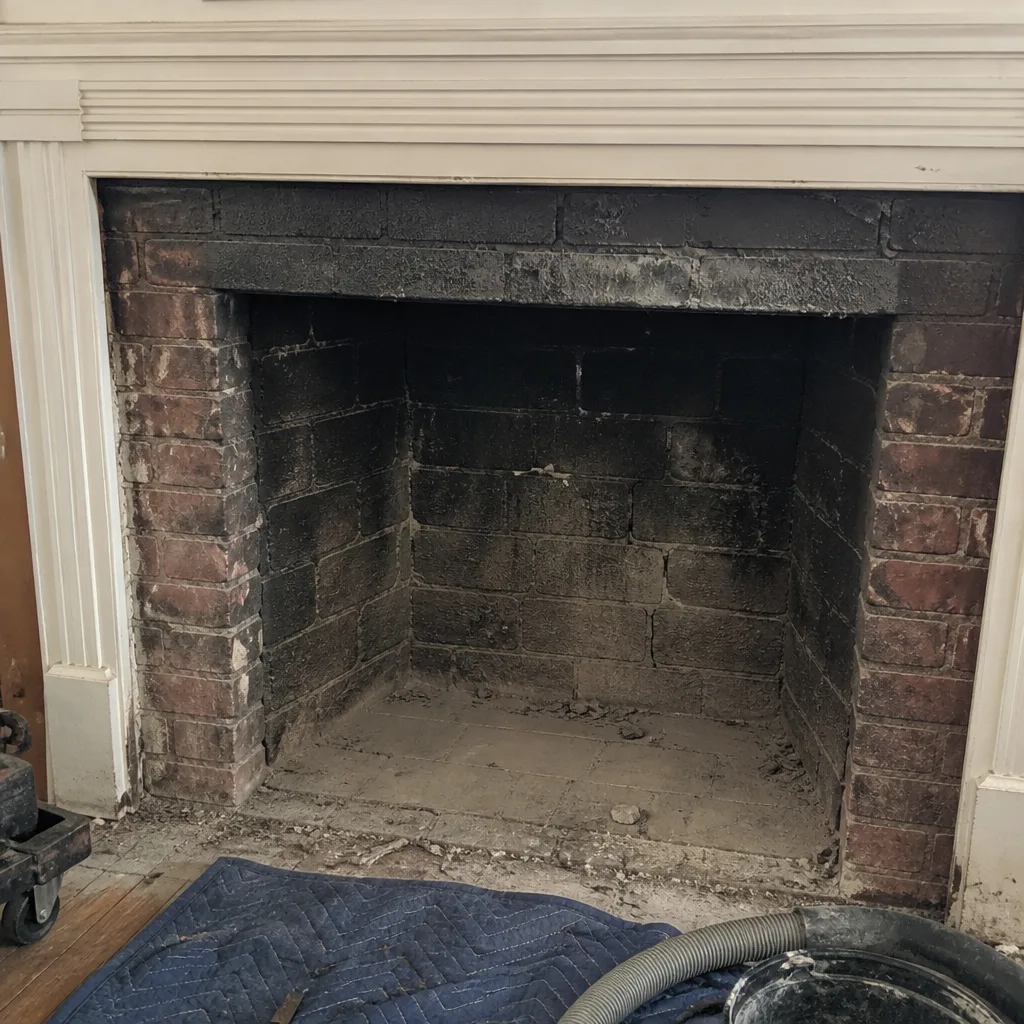
See the difference
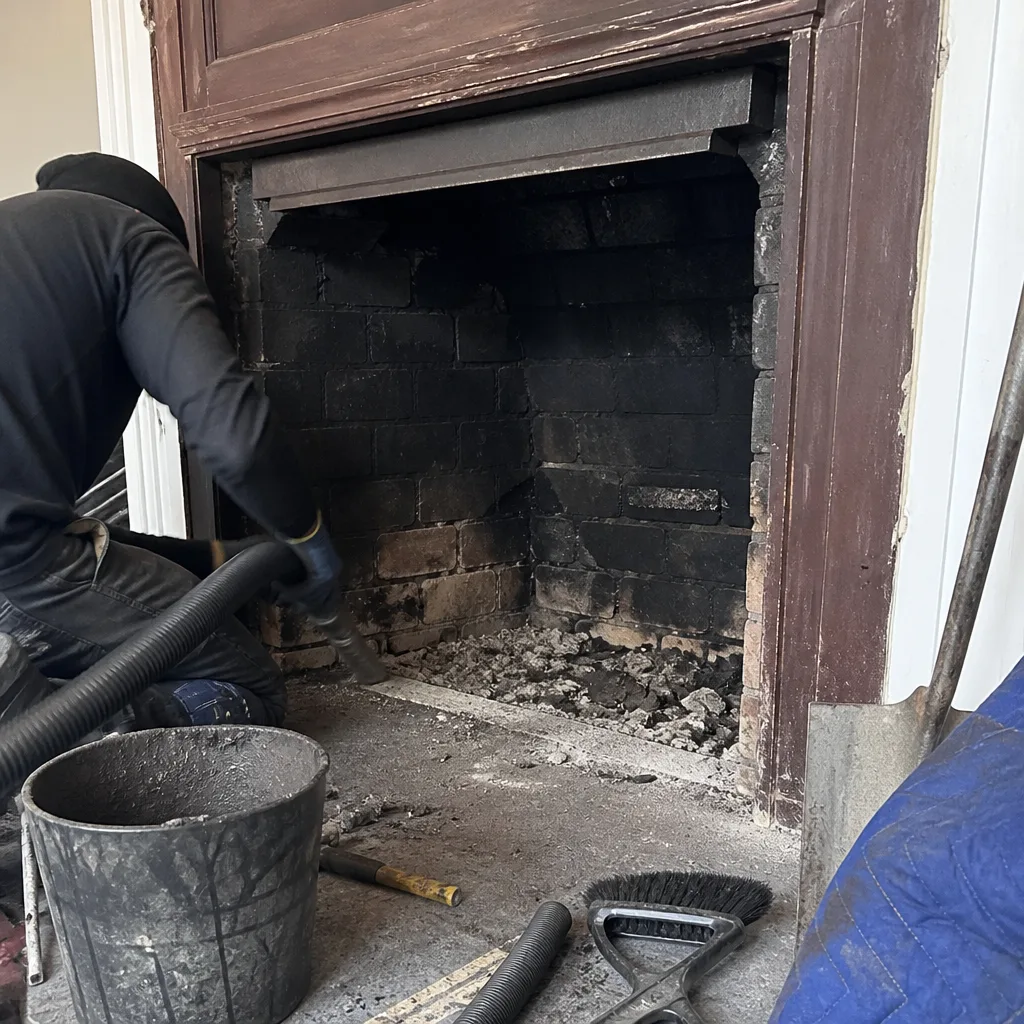 Before
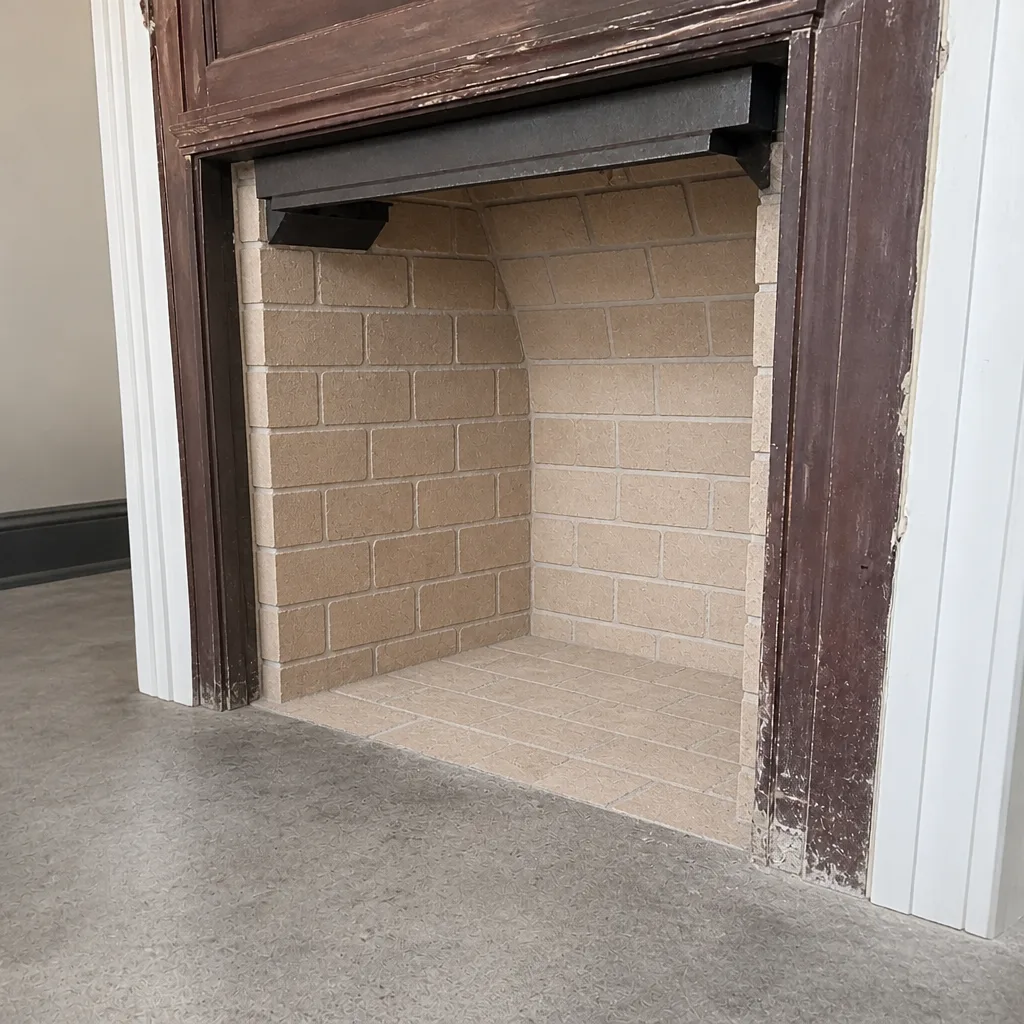 After
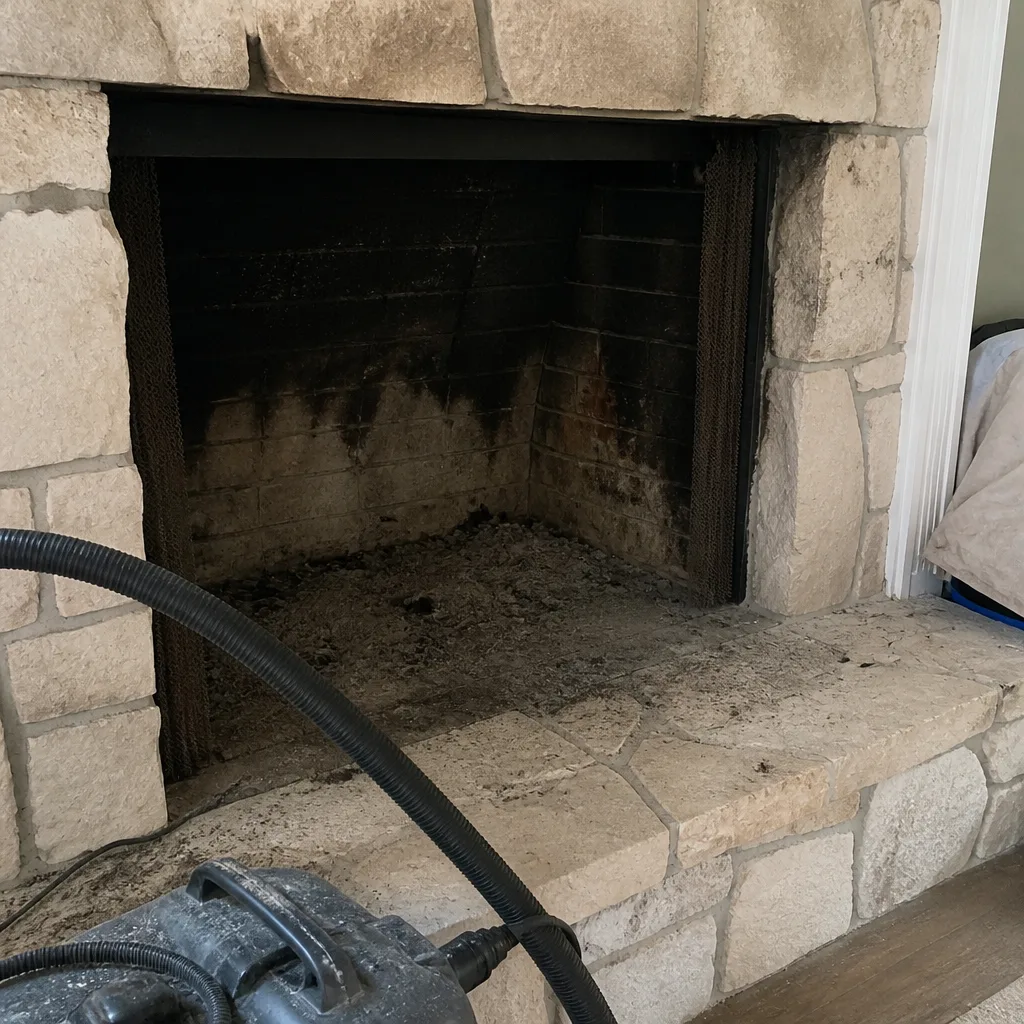 Before
 After
 Before
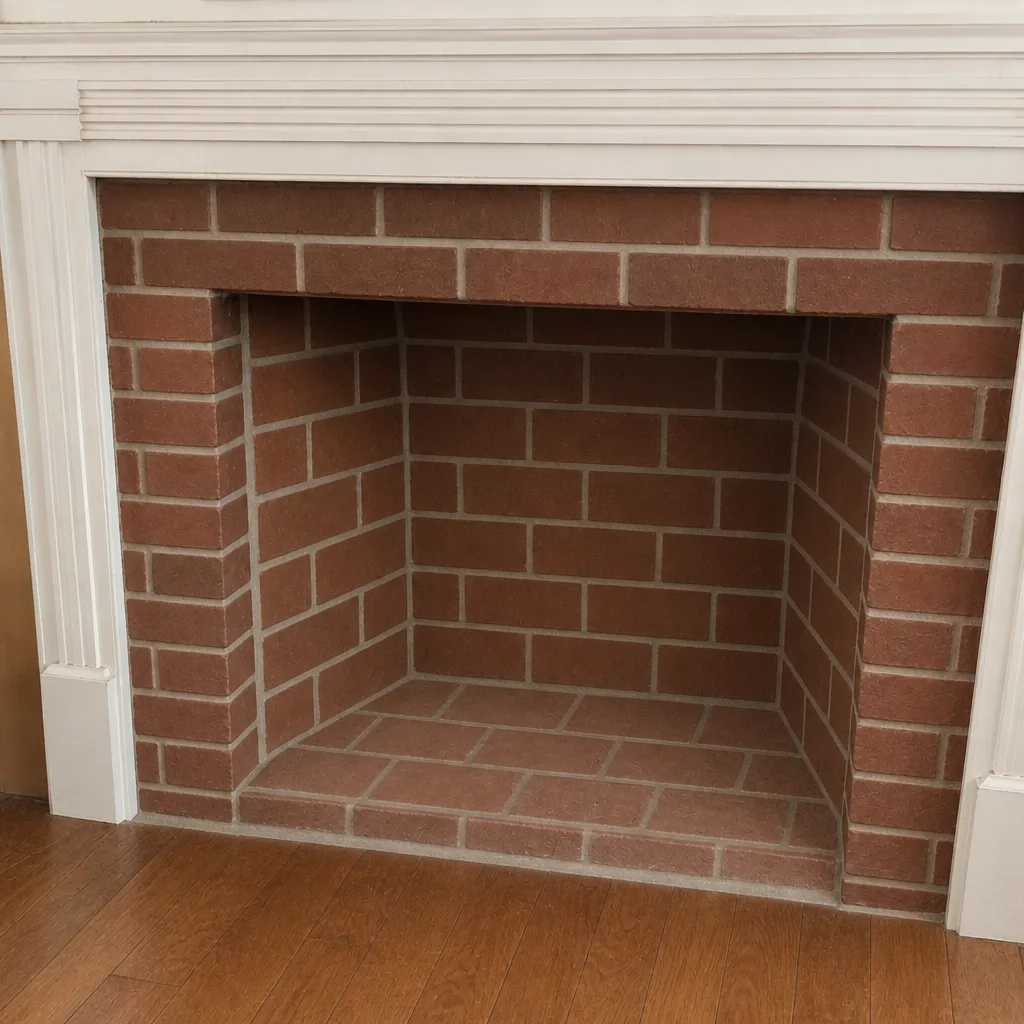 After
When to Call a Professional
Call a professional when you see storm damage to the cap, crown, or flashing, when water is getting into the firebox, when you’ve had a chimney fire, or when you’re moving into a house with an unknown-condition flue. Call when the flue lining looks cracked, when the damper won’t operate, or when you haven’t had a documented inspection and want to use the fireplace safely. These aren’t jobs to guess at. A trained eye can tell the difference between cosmetic wear and a real safety problem, and a written inspection gives you a record you can act on. Chimney Sweep The Heights offers free estimates in The Heights. Call (877) 810-4894. We answer 24/7, with fast dispatch from 7am to 7pm, Sunday through Friday. Every recommendation comes with a documented inspection, and if the work can safely wait, we’ll tell you so.
Frequently Asked Questions
It’s safe if the flue is sound and the draft is working, and unsafe if it isn’t. If you don’t have a recent inspection, look up the flue with a flashlight, confirm the damper opens fully, check for water or rust in the firebox, and make sure the cap is in place before you light a fire. When in doubt, call (877) 810-4894 for an inspection; we answer 24/7.
Check the cap, the crown, the damper, and the flashing, in that order. A loose cap, a cracked crown, a damper that won’t close, or lifted flashing are the weak points where wind and rain get in. Anything you can’t see safely from the ground should be checked on the roof by a professional before the storm arrives.
Storm damage shows up as a missing or displaced cap, a cracked crown, visible cracks in the flue lining, displaced brickwork, and water stains or rust in the firebox. Any of these means treat the fireplace as out of service until it’s been inspected. Cracked flue tile and displaced brickwork are the patterns that most often ground a fireplace immediately.
Yes. A chimney fire can crack the flue liner and damage the masonry in ways you can’t see from the room. An inspection afterward documents the condition of the flue, which you’ll need for insurance and for knowing whether it’s safe to use the fireplace again. Call (877) 810-4894 to book one.
Get a professional inspection before your first fire. A house with no service history means an unknown flue, and an inspection tells you whether the liner is intact, whether the cap and crown are in place, and whether the firebox and damper are usable. It also creates a documented baseline you can rely on later.
Not on their own. A cleaning-only crew can clean the flue but can’t reline it, restore a firebox, or repair the crown and flashing. Choose a full-service specialist so the same contractor that finds the problem can fix it, from cap and crown work to liner installation and firebox restoration.
The Bottom Line
Chimney emergency preparedness in The Heights is mostly preparation done on ordinary days: a sound cap and crown, a lined flue, and a documented inspection you can act on. Before a storm, check the cap, crown, damper, and flashing. After one, treat a missing cap, cracked crown, cracked lining, or water in the firebox as a reason to ground the fireplace until it’s inspected. During a power outage, use the flue only if it checks out. If you have a chimney fire, get everyone out, call 911, and don’t use the fireplace again until it’s been checked. And build a relationship with a full-service specialist before you need one. Free estimates, documented inspections, and a repair capability from cap and crown to liner and firebox are what let you actually rely on your chimney. Call (877) 810-4894. We answer 24/7, with fast dispatch from 7am to 7pm, Sunday through Friday. Start with a routine Chimney Sweep The Heights inspection and know your chimney’s condition before the next storm.
Written by the team at Chimney Sweep The Heights.