
Last updated November 24, 2026
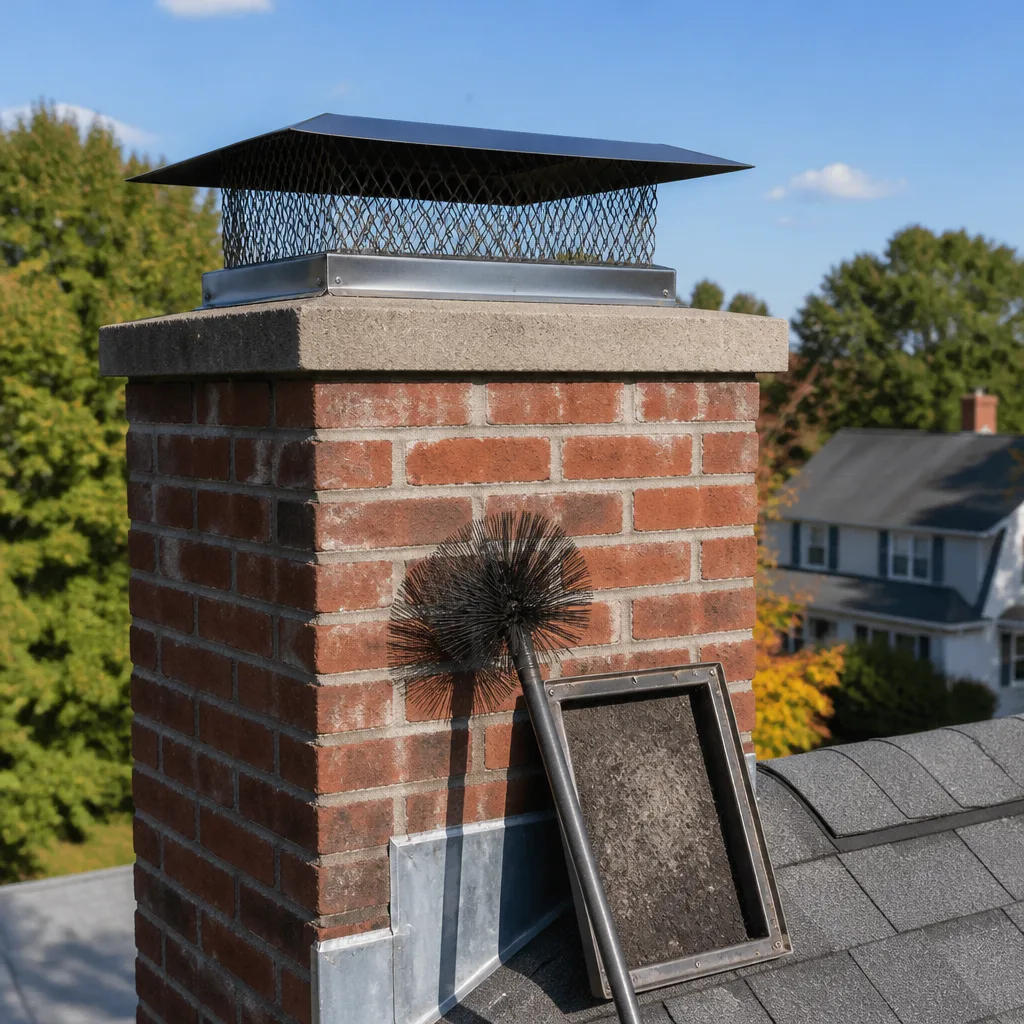 Sweep & inspection
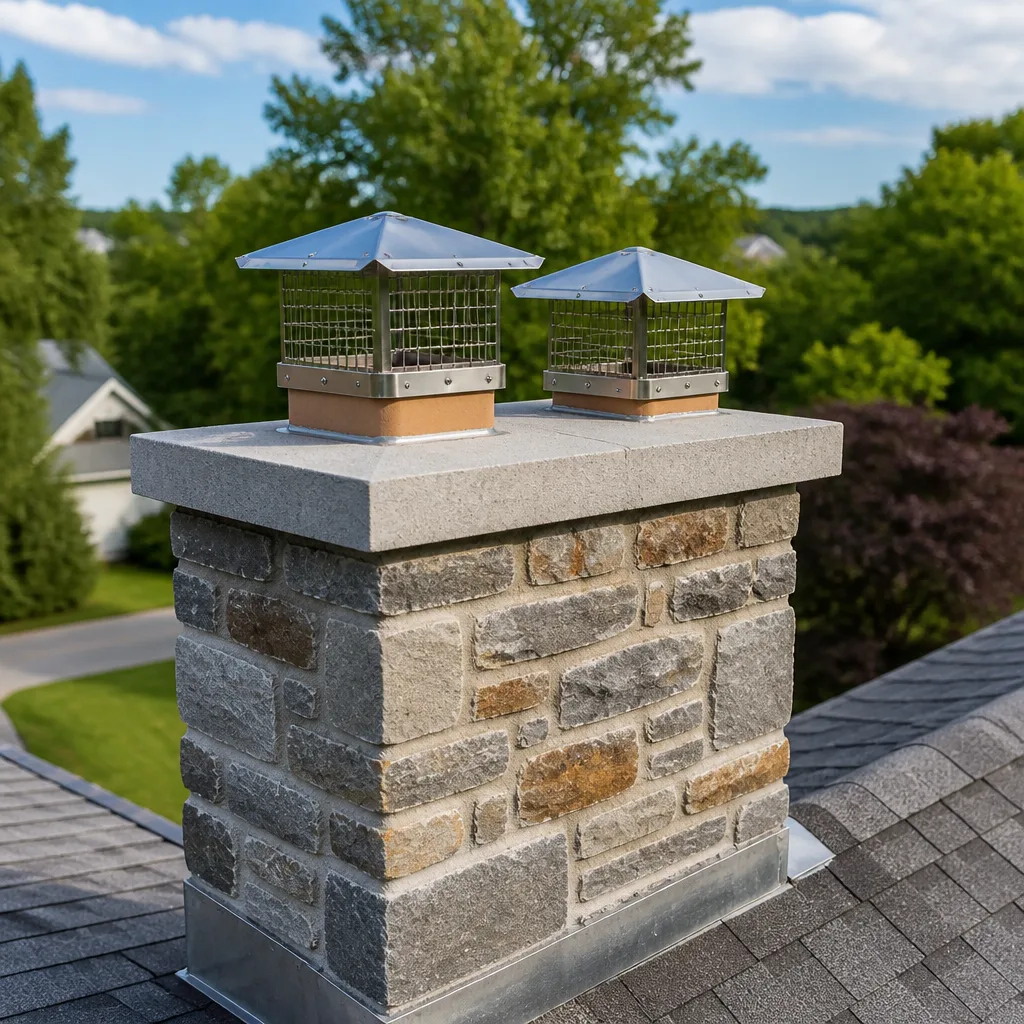 Caps & crowns
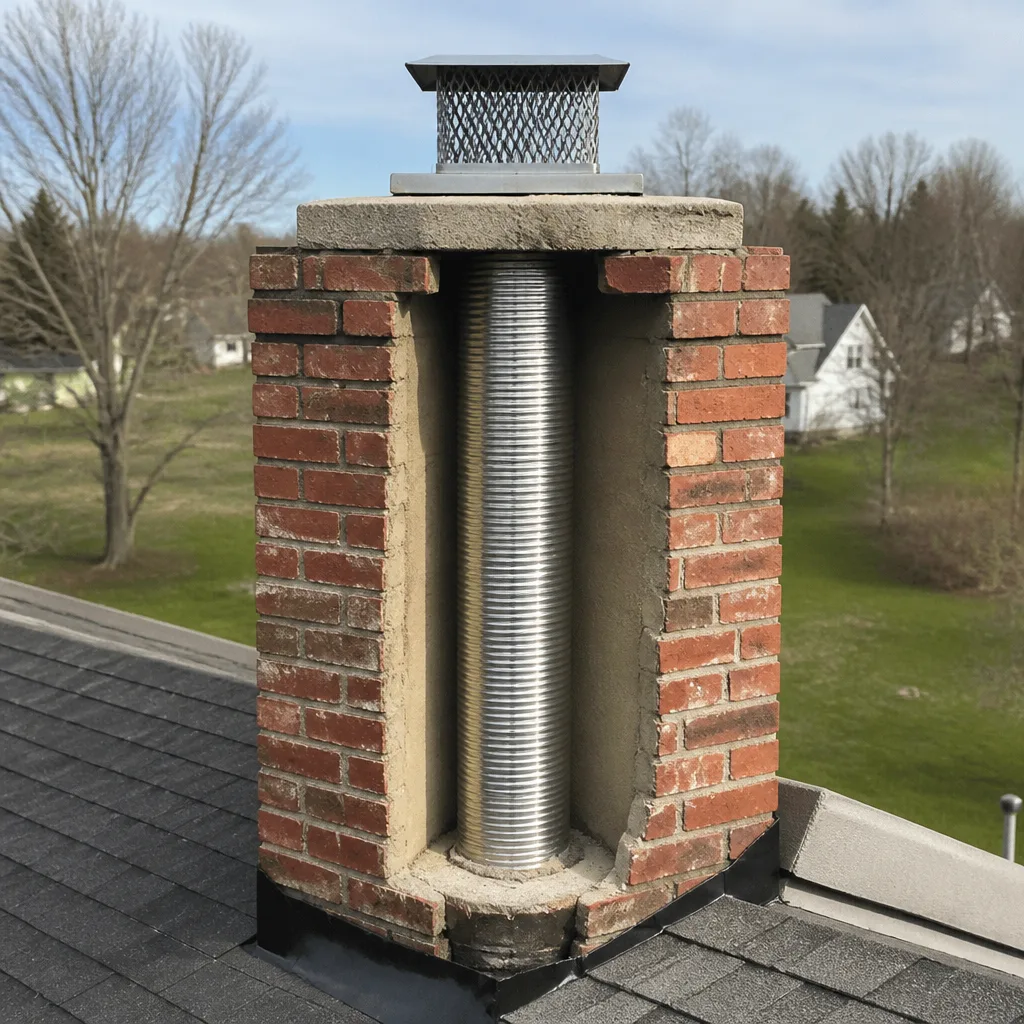 Flue relining
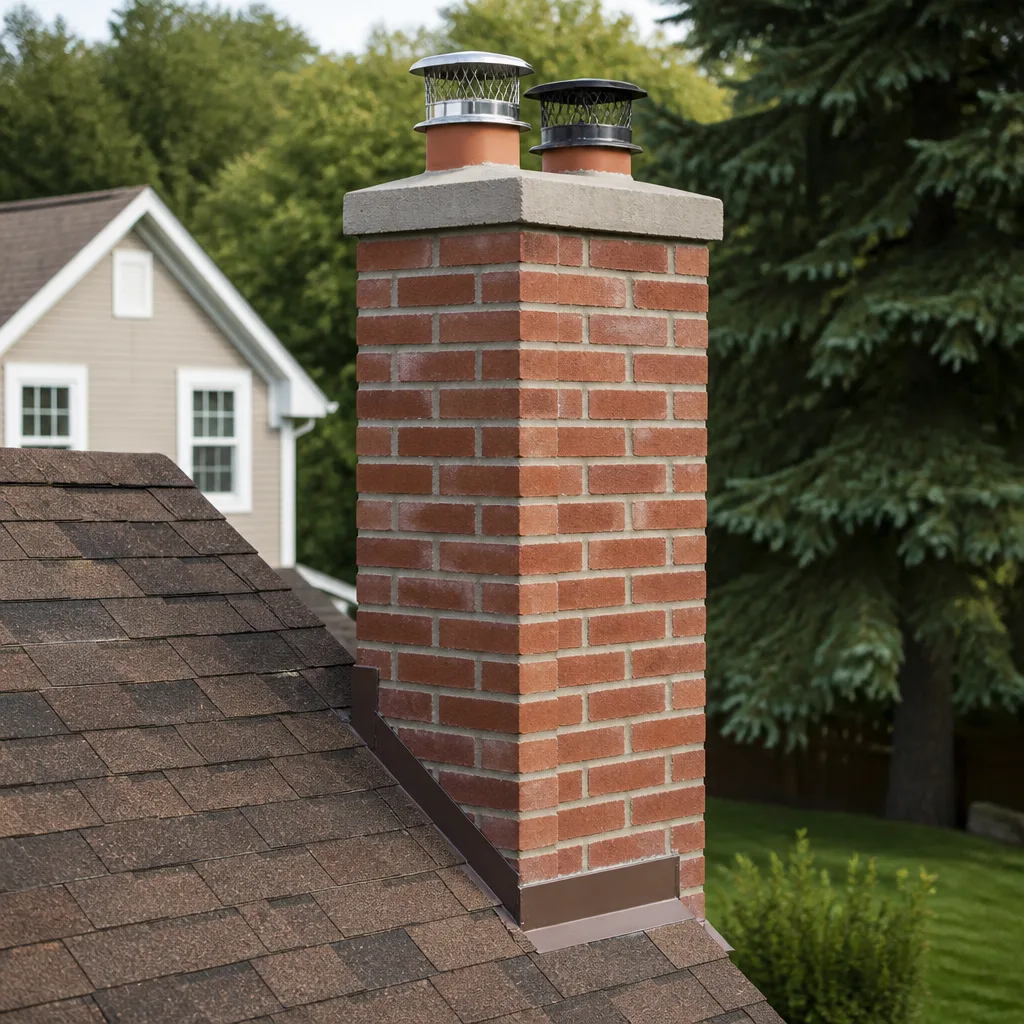 Masonry repair
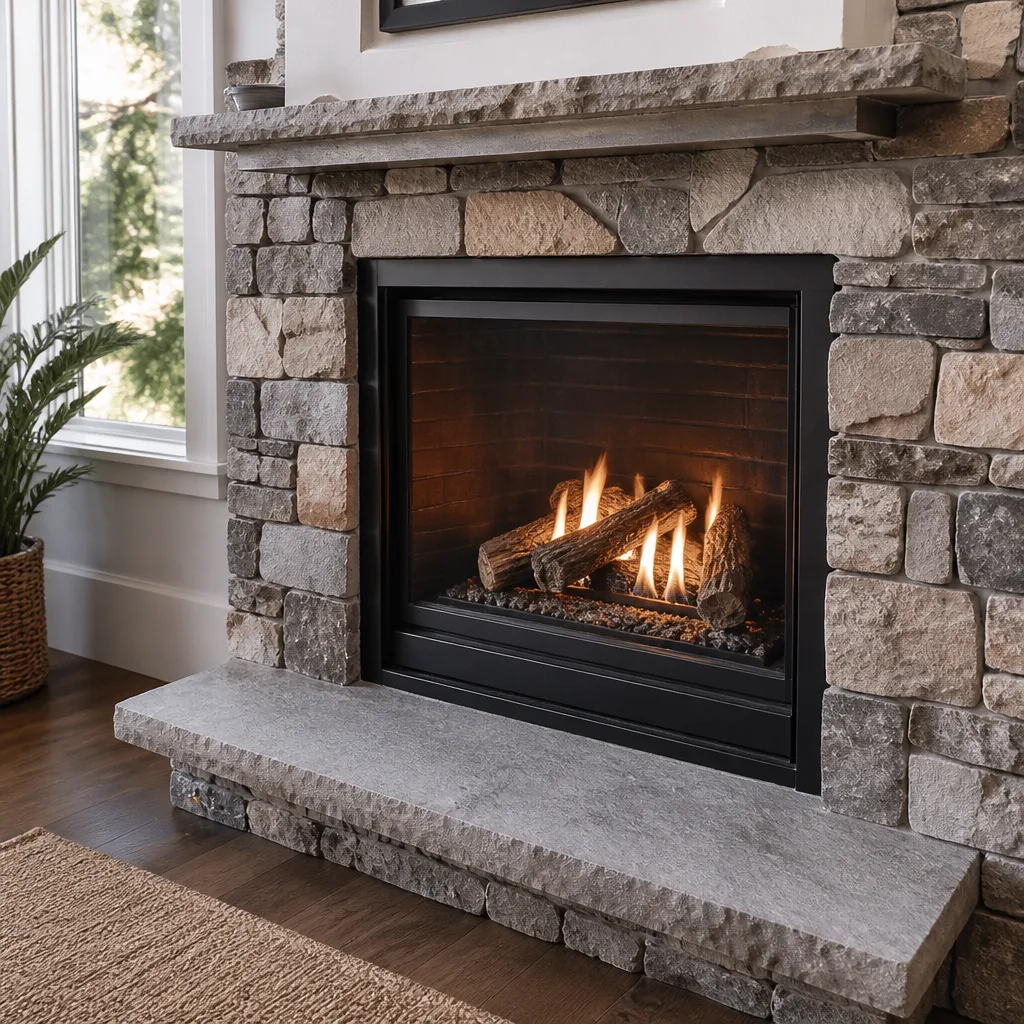 Gas fireplace service
Level 1 sweep and inspection to the NFPA 211 annual standard - flue, crown, cap, and flashing checked and photographed
Chimney sweep logs do not sweep chimneys. They loosen some creosote - which then falls where a brush and vacuum still have to collect it.
Chimney Cleaning Permits, Codes & Inspections in The Heights, TX: What You Need to Know
Most chimney work in The Heights needs no permit at all, and that’s exactly why homeowners get caught off guard. A routine sweep is maintenance. A new stainless liner is construction, and construction falls under the City of Houston’s building code. Add the historic preservation overlay that covers much of The Heights, and a simple exterior masonry repair can suddenly involve design review before a single brick moves. Houston famously has no citywide zoning, so people assume there are no rules. There are. This guide walks through where the permit line actually sits, what NFPA 211 requires, how The Heights historic guidelines shape exterior chimney work, and what documentation you should keep so a future sale or insurance claim doesn’t stall.
Quick Answer
In The Heights, routine chimney cleaning and inspection need no permit. Liner replacement, firebox rebuilding, chase reconstruction, and changes to the chimney’s exterior structure generally fall under City of Houston building permit requirements, and exterior masonry work visible from the street in the historic district may also need preservation review. Every job should follow NFPA 211 as its baseline standard, and the contractor should hand you documentation for any liner or repair work. Our technicians have up to 11 years of experience with these thresholds.
Styles & brands we work with
- Sweep & inspection
- Caps & crowns
- Flue relining
- Masonry repair
- Gas fireplace service
Table of Contents
- Which Chimney Services Are Permit-Exempt in Texas?
- Which Chimney Projects Trigger a City of Houston Permit?
- How The Heights Historic District Guidelines Affect Chimney Work
- NFPA 211: The Standard Your Contractor Should Know
- What a Code-Compliant Liner Installation Looks Like
- How to Request the Right Permit and What Inspections to Expect
- Inspections: What They Cover and When You Need One
- Documentation to Keep for Resale and Insurance
Which Chimney Services Are Permit-Exempt in Texas?
Sweeping and inspection are permit-exempt everywhere in Texas, including The Heights. Cleaning creosote, checking the flue, evaluating the damper, and writing an inspection report are maintenance activities. No city office needs to review them, and no inspector needs to sign off afterward. That’s true whether the chimney serves a wood-burning fireplace or a gas insert.
Several other tasks also sit comfortably on the maintenance side of the line:
- Routine sweeping of the flue and smoke chamber.
- Level 1, 2, and 3 inspections performed with camera equipment.
- Chimney cap replacement when the cap is a simple top-mounted accessory and nothing structural changes.
- Minor crown repair using a flexible sealant over an intact crown, as long as the crown’s shape and the chimney’s footprint stay the same.
- Damper adjustment or replacement of the same size and type.
- Removing a bird nest or debris blockage, which is a cleaning task.
Once a job changes the structure, the flue material, or the firebox’s dimensions, it stops being maintenance. That’s the boundary. In our experience, most homeowners in The Heights don’t discover where the line sits until a contractor mentions a permit, and by then they’ve already signed an estimate. Ask the question before work starts: does this project change the structure, or does it only restore it to what’s there?
One more wrinkle in The Heights: even permit-exempt work can trigger preservation review if the exterior appearance changes. A sweeping job never does. Replacing a cap with an identical style rarely does. Rebuilding a crown with a different profile can. We’ll get to that in detail below, but the short version is that the exterior of your chimney in a historic district is treated as part of the streetscape, not just your property.
For a baseline look at what a chimney sweep covers, the inspection report is the document that tells you whether you’re still in maintenance territory or already past it.
Which Chimney Projects Trigger a City of Houston Permit?
Any chimney project that alters the structure, replaces the flue lining, or rebuilds the firebox generally requires a City of Houston building permit. Houston enforces the International Residential Code and the International Building Code with local amendments, and chimney construction falls under those provisions. The permit category usually lands in one of a few buckets: a masonry or chimney construction permit for structural work, an alteration permit for a liner or firebox replacement, or a mechanical permit when a gas appliance connection changes.
Here’s how we break down the common projects:
- Full stainless liner installation: Typically permits as an alteration to the chimney system. The liner is an engineered component with a UL listing, and inspectors may want to see the listing documentation and the clearances.
- Firebox rebuilding or castable refractory restoration: Typically permits as masonry repair when the firebox dimensions or the chimney’s structural mass are affected. HeatShield-based firebox restoration is often treated differently from full demolition and rebuild, and the scope statement on the permit matters.
- Chase or chimney stack reconstruction above the roofline: Permits as structural work. This is the category that most reliably gets plan review.
- Crown replacement when the crown’s design or the chimney footprint changes: Permits as an alteration. A like-for-like crown repair usually does not.
- Cap installation: Usually exempt, unless the cap is a custom masonry structure or a significant change to the chimney’s exterior appearance in a historic district.
Roof penetrations and any change to the home’s framing around the chimney also fall on the permit side. So does adding a new appliance connection, such as converting a wood-burning fireplace to a gas insert, because the gas line work and the venting both get reviewed.
What do you actually get from pulling the permit? Three things. A documented inspection, a code compliance record, and a paper trail that protects you if the work later comes into question. The fireplace repair page covers the repair-side details if you’re already past the diagnostic stage.
How The Heights Historic District Guidelines Affect Chimney Work
Houston has no citywide zoning code, but it does have historic preservation ordinances, and the Houston Heights Historic District is one of the largest and most carefully administered in the city. The rules apply to exterior work visible from the street. For a chimney, that means the parts of the stack above the roofline, the crown, the cap, and anything showing on the side of the house. Interior work generally doesn’t fall under preservation review, but anything a passerby can see does.
In plain terms, here’s how preservation review typically plays out for chimney work in The Heights:
- Determine whether your property is contributing or non-contributing within the district. Contributing properties face stricter standards for visible exterior changes.
- Check whether the work is “minor” or “major” under the district’s guidelines. Routine maintenance, like repointing a mortar joint with a matching mix, is usually minor. Changing a chimney’s cap to a different style or visible material is usually major.
- Submit a certificate of appropriateness application if the work is major. This goes to the Houston Archaeological and Historical Commission or its architectural review staff.
- Provide documentation of the existing material and condition, including photos and a scope that explains why in-kind replacement is or isn’t possible.
- Wait for the review outcome before ordering materials. In-kind replacement is almost always the easiest approval, and materials that match the original brick, mortar color, cap profile, and crown shape get through review with the fewest questions.
The practical takeaway for a The Heights homeowner: if your chimney needs exterior restoration, the material selection matters as much as the method. Matching brick and mortar aren’t cosmetic decisions here, they’re the path of least resistance through preservation review. If a contractor proposes a generic cap or a modern crown profile, ask how they’ll justify it in front of the commission. If they can’t answer that, they haven’t done much exterior chimney work in The Heights.
Interior chimney work, meanwhile, stays free of preservation review. That means liner replacement, sweeping, firebox restoration, and most repair work are governed by the building code alone. If you want to see how the cap and crown side of this usually plays out, the chimney cap & crown page walks through the details.
NFPA 211: The Standard Your Contractor Should Know
NFPA 211 is the National Fire Protection Association’s standard for chimneys, fireplaces, vents, and solid-fuel-burning appliances, and it’s the baseline any competent chimney contractor in Texas works from. It governs clearances to combustibles, flue sizing relative to the appliance, liner requirements, the condition standard a chimney has to meet before it can be returned to service, and the level of inspection appropriate for a given situation.
NFPA 211 defines three inspection levels, and knowing them helps you understand what you’re paying for:
- Level 1 inspection: The basic check that comes with a routine sweep. Readily accessible portions of the chimney, the firebox, and the appliance connection. This is what most annual maintenance visits involve.
- Level 2 inspection: A more thorough look using a camera, including accessible attic and crawlspace areas, and any concealed portions of the flue. Required after a chimney fire, after a change in appliance or fuel type, after a property sale, or after an event that may have damaged the chimney.
- Level 3 inspection: The most invasive level. It may involve removing parts of the chimney or adjacent construction to access concealed areas when a Level 2 inspection identified a serious concern.
How do you verify your contractor knows NFPA 211? Ask directly. A contractor who works from it can explain which inspection level the job requires and why, and they can point to the specific clearance requirements that shape their liner recommendation. A sweep-only operator usually can’t articulate the difference between a Level 1 and a Level 2 inspection, because they never do the latter. In The Heights, with its older housing stock and a mix of wood-burning fireplaces and retrofitted gas inserts, the difference matters. A sale, an insurance claim, or a change of appliance almost always moves the job to Level 2.
NFPA 211 also sets the condition standard: a chimney whose interior is compromised, cracked, or missing a liner can’t be safely returned to service without repair. That’s where the liner conversation begins, and it’s why our inspection reports are written to that standard rather than just to a visual photo checklist.
What a Code-Compliant Liner Installation Looks Like
A code-compliant liner installation starts with a UL-listed liner product matched to the appliance and the flue, and it ends with documentation you can hand to an inspector or a buyer. Everything between those two points matters: sizing, insulation, connections, and the report.
Here’s what a proper installation involves, step by step:
- Inspection first. A Level 2 inspection with photographs establishes the flue’s dimensions, condition, and any offsets or damage that will shape the liner run.
- Product selection based on the appliance. A wood-burning fireplace takes a specific liner class and diameter sized to the firebox opening. A gas insert takes a different product. Off-the-shelf generic liners that “fit” a range of flues don’t meet the standard.
- UL-listed and documented. The liner should carry a UL listing appropriate for the appliance it serves. DuraFlex liner systems are one of the professional-grade options we install, and the listing documentation comes with the job. Flex-King-style flexible liners exist in this market too, and any legitimate product should come with its UL paperwork.
- Proper insulation. An insulated liner maintains flue temperature and protects the surrounding structure. It’s a code-relevant choice, not an upsell.
- Correct terminations. The top plate, cap, and bottom connection all have to seal. A top plate that doesn’t seal to the flue lets water and debris in and undermines the whole installation.
- Written documentation. The manufacturer’s listing sheet, the installer’s report, and the inspection photos together form the record. Keep physical and digital copies.
Where documentation most often fails is at the handoff. Homeowners in The Heights commonly buy a house with a liner already installed and no paperwork. That becomes a problem at resale, when a buyer’s inspector flags a liner with no visible listing documentation, or at claim time, when an insurer asks for proof that the installed product meets code. If your liner was installed without documentation, the fix is a Level 2 inspection that certifies what’s there, not necessarily a replacement. That’s a meaningful difference in cost and disruption.
HeatShield-based firebox restoration, by contrast, is often specifically selected to avoid the demolition a full rebuild would require, and a system-based restoration with proper documentation frequently satisfies both the code standard and a preservation review that would otherwise scrutinize a full masonry rebuild. Our team installs HeatShield and DuraFlex systems as part of the same job that performs the inspection, so the diagnosis and the fix share one contractor and one paper trail. If you’d like the broader view of what we do, Chimney Sweep The Heights covers the full service range.
How to Request the Right Permit and What Inspections to Expect
Whether your contractor pulls the permit, or you do, the process is the same. Most chimney contractors pull the permit themselves, because they need to be the point of contact for inspection scheduling. But you should know what’s happening.
- Confirm the scope and the permit category. A liner replacement is usually an alteration. A structural rebuild is usually a construction permit. A gas appliance change is usually a mechanical permit. Some projects need more than one category.
- Gather the project documentation. Manufacturer specification sheets, the UL listing for the liner, a scope of work, and in historic districts the certificate of appropriateness if required. The permit application needs these attached.
- Submit to the City of Houston permits office, either through the contractor’s account or your own. Wait for plan review if the project requires it. Structural work usually does; a straightforward liner replacement sometimes doesn’t.
- Schedule inspections once the permit issues. Typical inspection points are a rough-in inspection after the liner or structural work is in place but before the chimney is closed up, and a final inspection after all work including cap and crown is complete.
- Keep the inspection record. The signed inspection card is part of the sale package for a The Heights house. It verifies the work was done to code and it’s the first thing a buyer’s inspector will want to see.
What you should expect during a chimney inspection is straightforward: the inspector confirms clearances, checks that the liner matches the appliance, and eyeballs the terminations. They aren’t going to test the draft or do a deep camera inspection, but they will verify that what was permitted is what was built. If the scope changes mid-job, the permit has to be amended, and that’s a real source of delay. Getting the scope right before submission is the single biggest time-saver.
In historic districts, the certificate of appropriateness typically has to be approved before the building permit can be issued, so the preservation review and the permit review are sequential, not parallel. Plan for that when you’re scheduling work.
Inspections: What They Cover and When You Need One
A chimney inspection is not the same thing as a permit inspection. They serve different purposes. The NFPA 211 inspection is what your contractor performs to diagnose the system and document its condition. The permit inspection is what the city performs to confirm the work was done to code. You’ll usually need both, at different moments.
Here’s when an NFPA 211 inspection is the right call, regardless of whether any permit is involved:
- Annually, if you use the fireplace regularly. A Level 1 inspection comes with a routine sweep.
- Before buying or selling a home in The Heights. A Level 2 inspection gives the buyer and their lender documentation.
- After a chimney fire, even a small one. Level 2 is the standard, and it may step up to Level 3 if damage is suspected behind the visible flue.
- After converting from wood-burning to a gas insert, or the reverse. The flue sizing and venting change and require documentation.
- When you notice a change in draft, a smell, or staining on the exterior of the chimney.
Permit inspections, by contrast, are triggered by the permitted scope and follow a fixed sequence: rough-in, then final. They only happen on permitted work.
What actually matters to the homeowner in The Heights is that both kinds of documentation exist and live in one place. A house with annual inspection reports, a permit record for the liner, and a certificate from the historic review is a house that sells more smoothly and insures more easily. A house with a swept chimney and a stack of receipts isn’t the same thing. The absence of a Level 2 inspection at sale time often becomes the buyer’s excuse to negotiate, or the insurer’s reason to ask questions after a loss.
Documentation to Keep for Resale and Insurance
Documentation is the part of chimney work that most The Heights homeowners forget, and it’s the part that costs the most to recreate. Here’s what’s worth keeping together in one folder, digital and physical:
- The inspection report from every visit, whether annual or Level 2. The date, the findings, and the photographs.
- The UL listing sheet for any installed liner, along with the product name and manufacturer. DuraFlex and HeatShield paperwork belongs here if either system was installed.
- The permit number and the signed inspection card for any permitted work. The card is the piece that satisfies a buyer’s inspector.
- The certificate of appropriateness if the work was visible exterior restoration in the historic district.
- The contractor’s written scope, invoice, and warranty for any repair or replacement.
Why does it matter so much here? Because the same documentation satisfies three different parties at once: a buyer’s inspector, an insurance adjuster, and the preservation commission if you ever do more exterior work. Recreating it after the fact often means a new Level 2 inspection, and for a permitted job that’s already been closed, recreating the permit record is worse. Keep the folder current.
Common Mistakes to Avoid
- Assuming Houston’s lack of zoning means no rules apply. Houston has no citywide zoning, but it has a full building code, and The Heights has a historic preservation overlay. The rules that apply to chimney work live in those two places, not in a zoning map.
- Letting a sweep-only operator install a liner. Sweeping is maintenance; liner installation is construction, and the contractor who does it should know NFPA 211 and hold the right product documentation. A sweep-only crew usually can’t produce either.
- Skipping the Level 2 inspection before listing the house. A buyer’s inspector in The Heights will ask for liner documentation, and a missing record becomes a negotiating tool. Get the Level 2 done before you list.
- Choosing materials without checking preservation review. In-kind brick, mortar, and cap profiles move through the historic commission with the fewest questions. A generic modern substitution can be rejected outright and cost a month of delay.
- Starting exterior work before the certificate of appropriateness is approved. The building permit can’t issue until the preservation review clears, so sequencing the two matters. Doing work first can result in having to undo it.
- Not keeping the permit card and the inspection report together. Two separate papers, one folder. Losing one turns the other into an anecdote at resale.
- Ignoring the standard when a contractor uses the phrase “up to code” loosely. “Up to code” means it meets NFPA 211 and the International Residential Code as adopted by Houston. Ask which inspection level and which liner listing they’re pointing to.
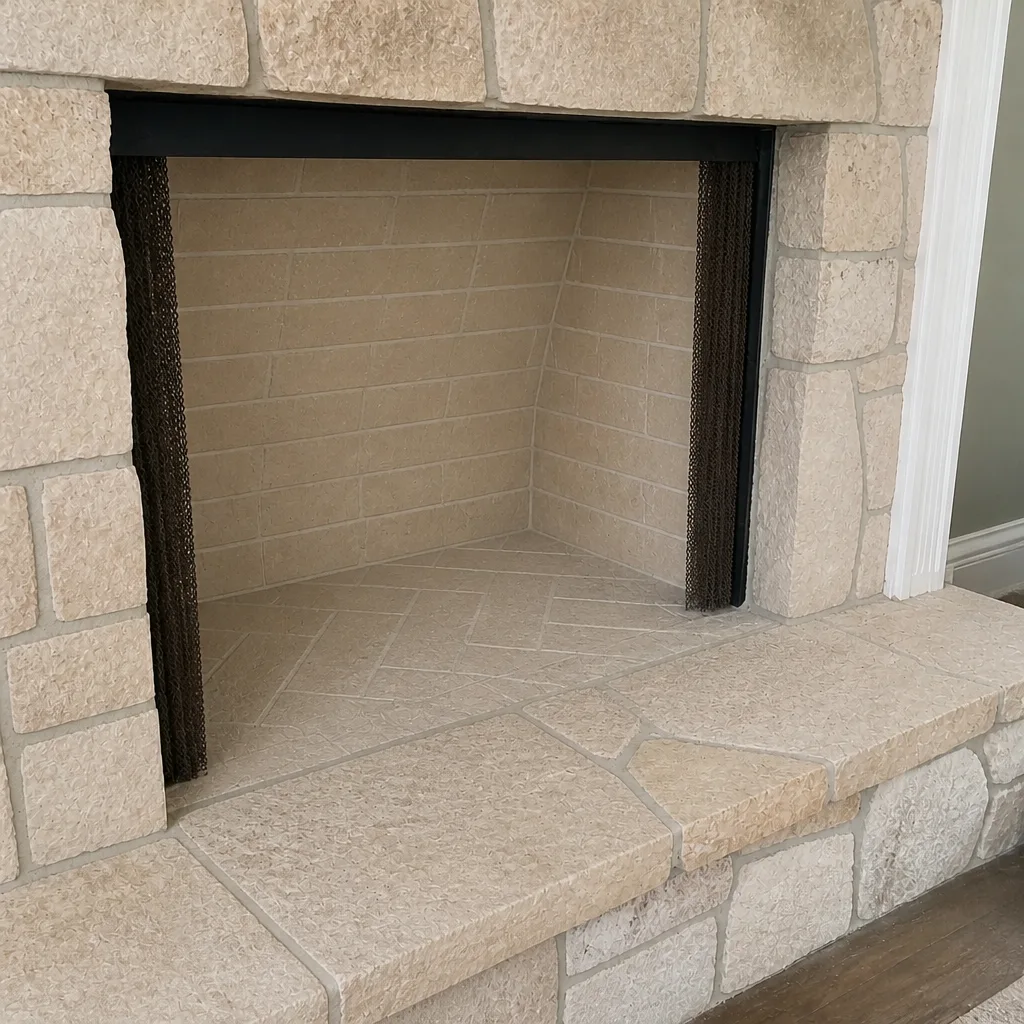
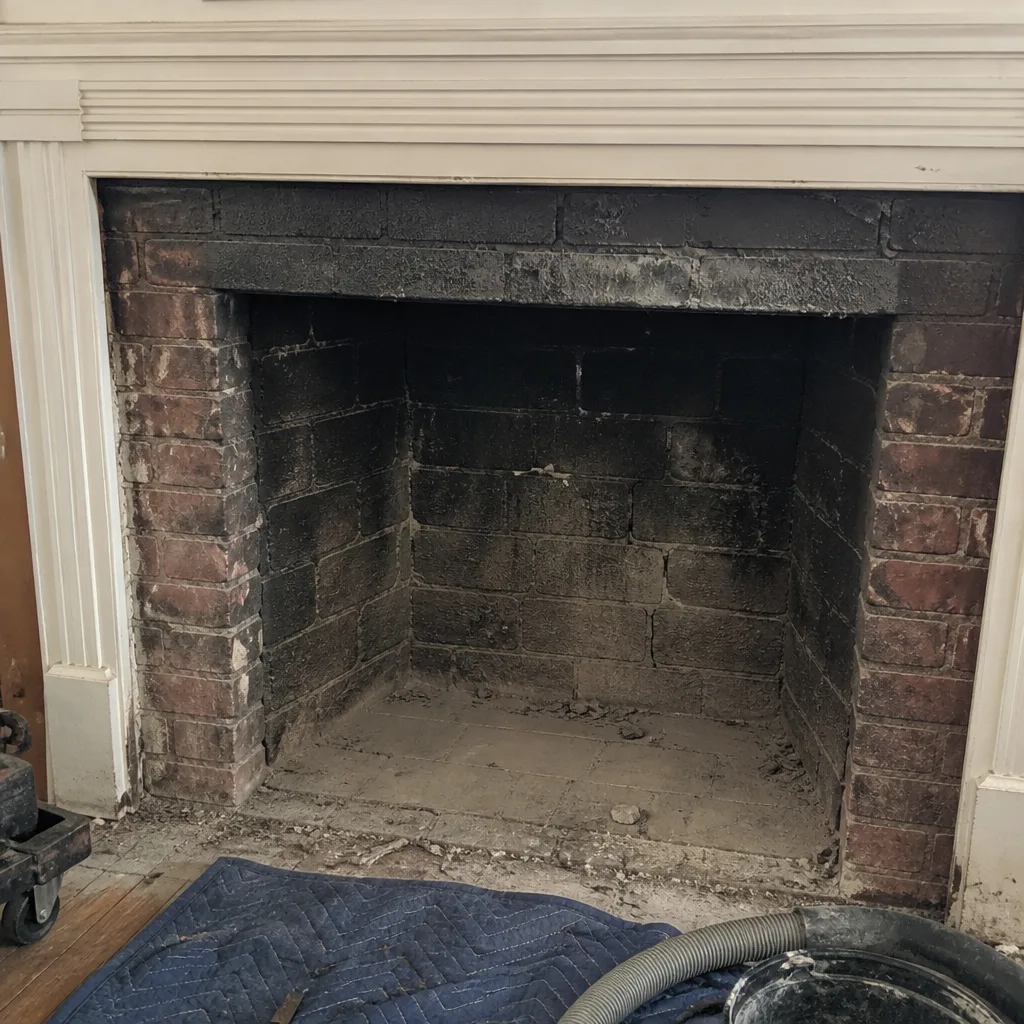
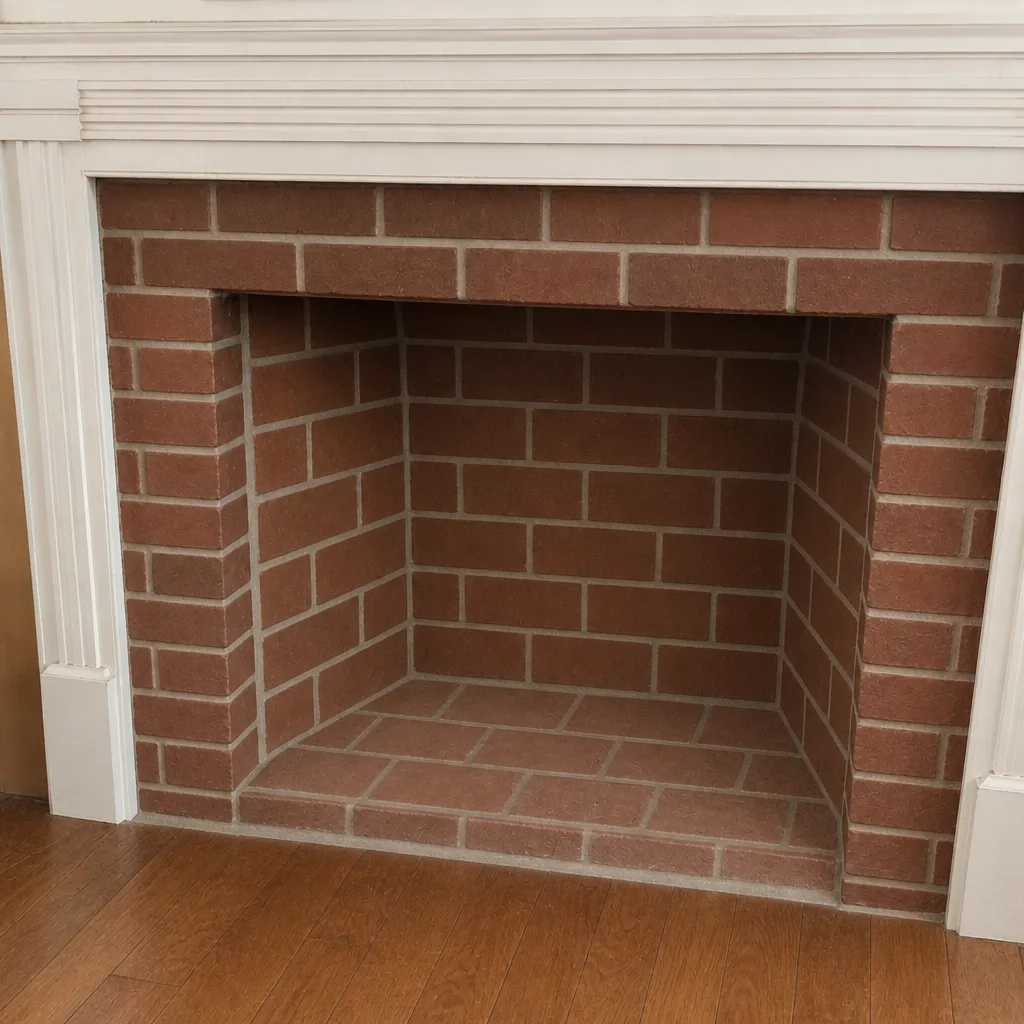
See the difference
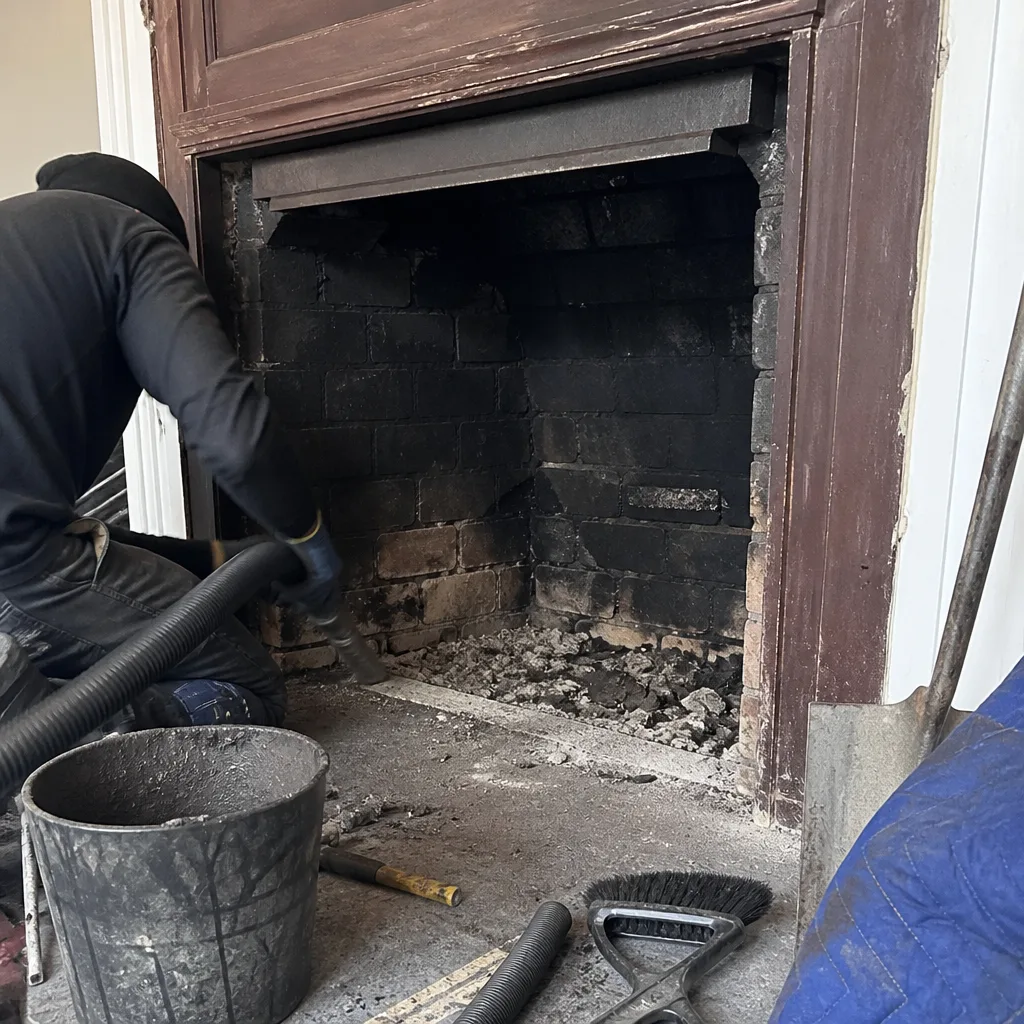 Before
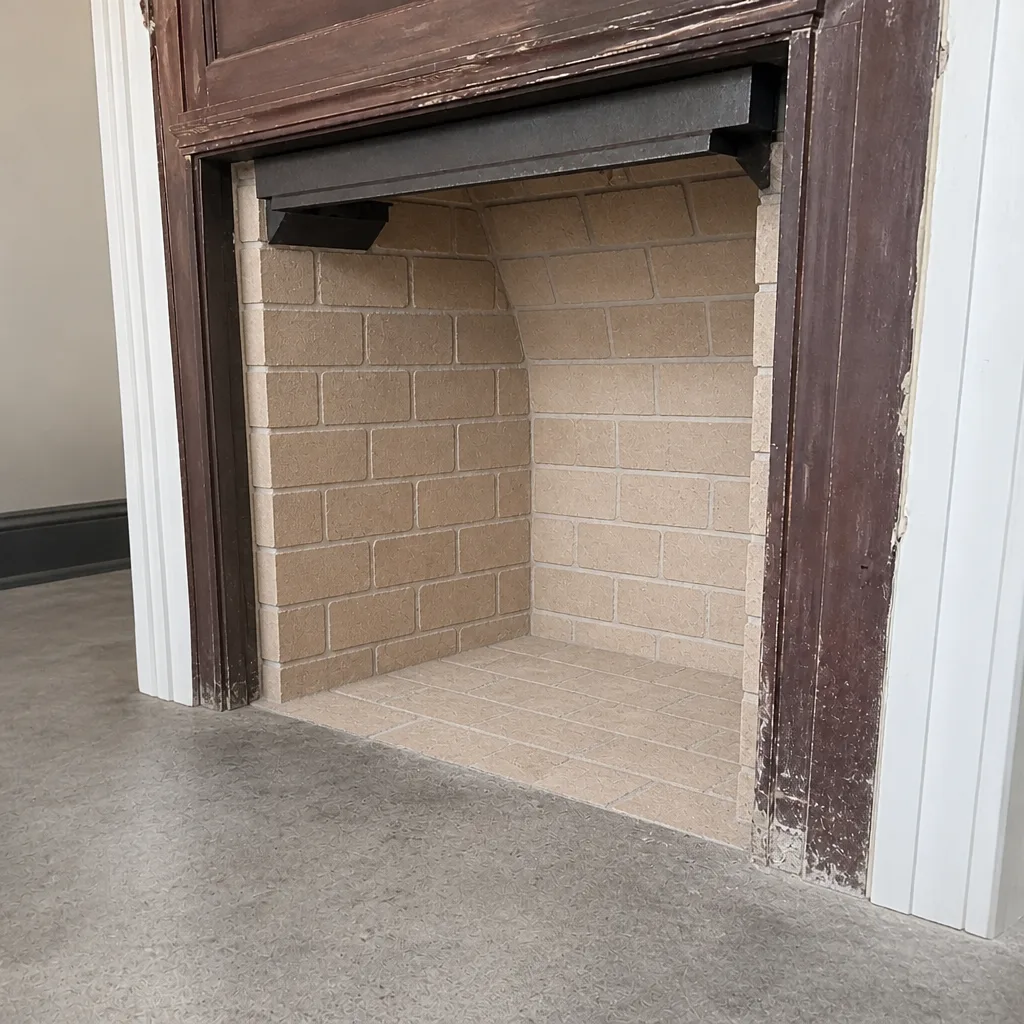 After
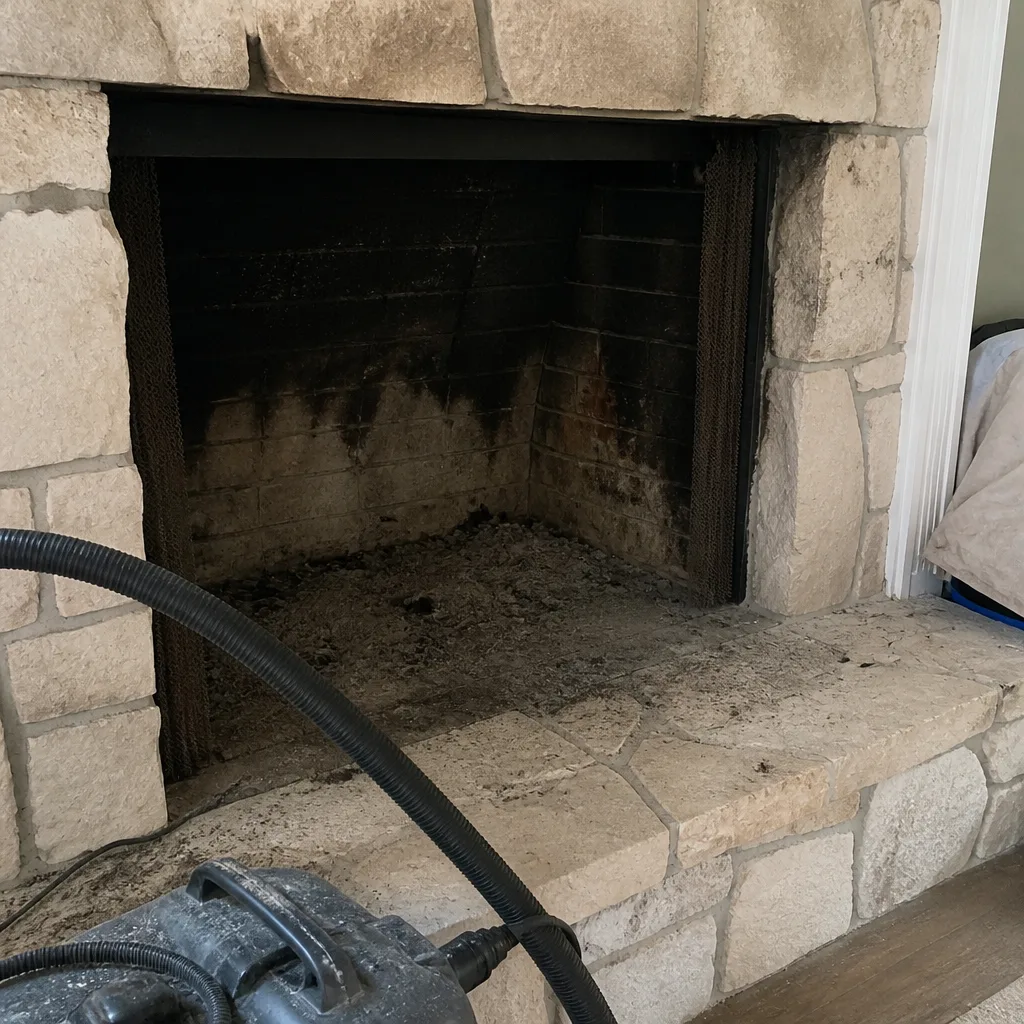 Before
 After
 Before
 After
When to Call a Professional
Call a professional when you’re facing any of these situations in The Heights: a chimney with no inspection record in the last 12 months and a working fireplace; a fireplace that drafts poorly, smokes into the room, or leaves a strong smell after use; a chimney interior with visible cracking, spalling, or missing liner sections; a home sale in the works and a buyer’s inspector asking for documentation; an exterior chimney with a visible change in the brick, mortar, or crown; or a planned conversion between wood-burning and gas. Any of those is a signal to get a Level 2 inspection and a written scope before committing to work. Chimney Sweep The Heights offers free estimates in The Heights – call (877) 810-4894. We answer 24/7. Fast dispatch from 7am to 7pm, Sunday through Friday.
Frequently Asked Questions
No. Routine chimney cleaning and inspection in The Heights need no permit because they’re maintenance activities that don’t alter the structure or the flue. A permit becomes necessary when the work crosses into liner replacement, firebox rebuilding, chase reconstruction, or changes to the chimney’s exterior structure. If you’re unsure which side of the line your project falls on, call (877) 810-4894 for a free estimate and we’ll tell you from the scope.
Some chimney repairs require a City of Houston building permit and some don’t. Like-for-like crown repair, cap replacement, damper work, and sweeping are generally permit-exempt. Liner installation, firebox rebuilding that changes the firebox dimensions, structural chase repairs, and any exterior work that changes the chimney’s appearance in the historic district generally require a permit. Ask your contractor to name the permit category before work is quoted.
The Heights Historic District guidelines apply to exterior chimney work visible from the street and may require a certificate of appropriateness before a building permit can issue. In-kind replacement of brick, mortar, cap profile, and crown shape typically moves through preservation review with the fewest questions. Interior work, including liner replacement and sweeping, generally doesn’t fall under preservation review. Call (877) 810-4894 for an estimate that accounts for the review timeline.
NFPA 211 is the National Fire Protection Association standard for chimneys, fireplaces, vents, and solid-fuel-burning appliances, and it’s the baseline any competent chimney contractor works from. It sets clearances, liner requirements, inspection levels, and the condition standard a chimney must meet before it can be returned to service. A contractor who can’t explain which inspection level your job requires and why isn’t working from the standard. Call (877) 810-4894 to discuss what inspection level fits your chimney.
Keep the UL listing sheet for the installed liner, the manufacturer’s product documentation, the permit number and signed inspection card, the contractor’s written scope, invoice, and warranty, and the certificate of appropriateness if any visible exterior work was done. That folder satisfies a buyer’s inspector, an insurance adjuster, and the preservation commission. If you’re missing any of it, call (877) 810-4894 for a Level 2 inspection that can certify what’s already there.
Usually not, and that’s the most common costly gap we see. Sweeping is maintenance; liner installation, firebox restoration, crown rebuilding, and structural repair are construction work that needs a contractor familiar with NFPA 211, product listings, and the permit and historic review process. A sweep-only operator can diagnose but not fix, and that’s where the finger-pointing starts. Call (877) 810-4894 for an estimate from a contractor that does both.
The Bottom Line
The permit line for chimney work in The Heights runs between maintenance and construction. Sweeping and inspection are always permit-exempt. Liner replacement, firebox rebuilding, chase reconstruction, and visible exterior alterations generally fall under City of Houston building permits, and the historic district adds a preservation review step that has to clear before the building permit issues. NFPA 211 is the standard that governs how all of it should be done, and the documentation is what protects you at resale, in insurance claims, and in future preservation reviews. We install DuraFlex, HeatShield, and other professional-grade systems with the paperwork trailing the work, so the file stays complete.
Call (877) 810-4894 for a free estimate. We answer 24/7. Fast dispatch from 7am to 7pm, Sunday through Friday. We sweep, inspect, and repair, so the same contractor who finds the problem can fix it and pull the right permit when it’s needed.
Written by the team at Chimney Sweep The Heights.