
Last updated November 24, 2026
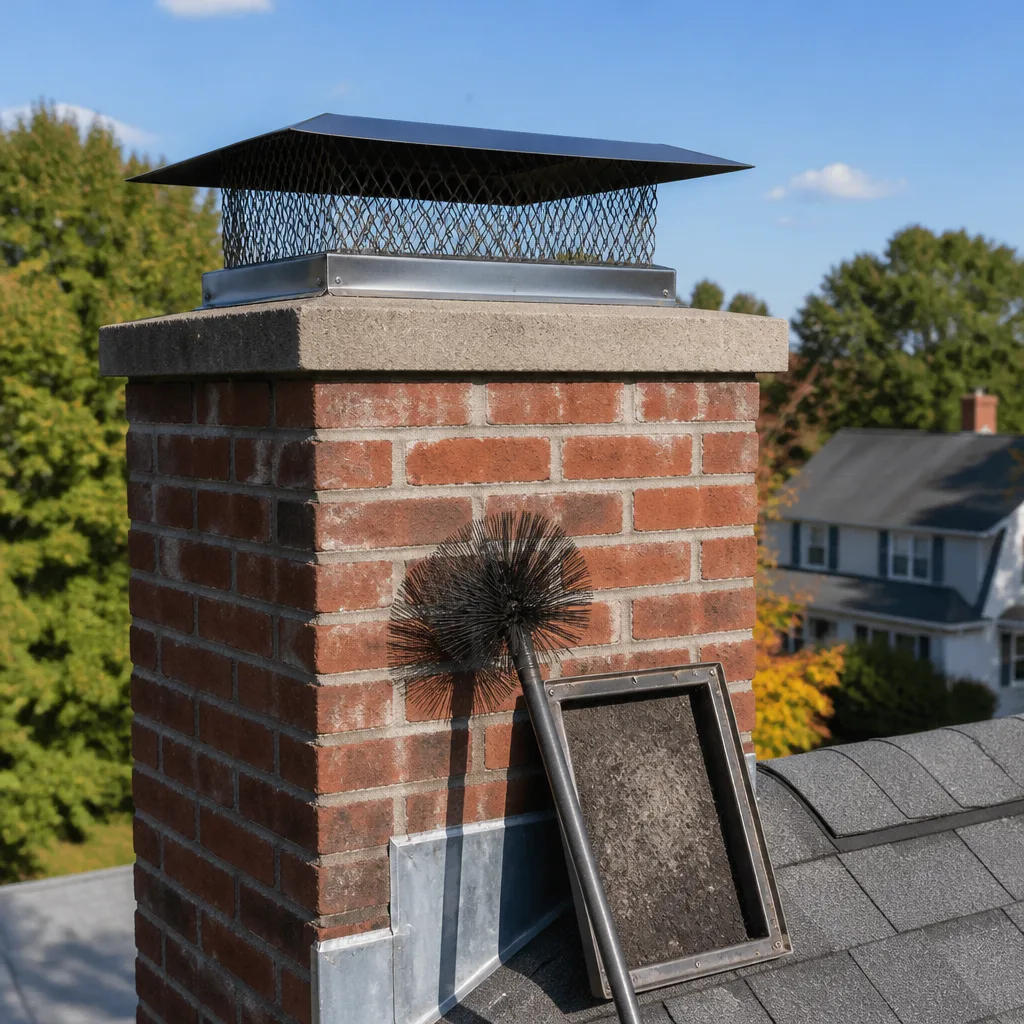 Sweep & inspection
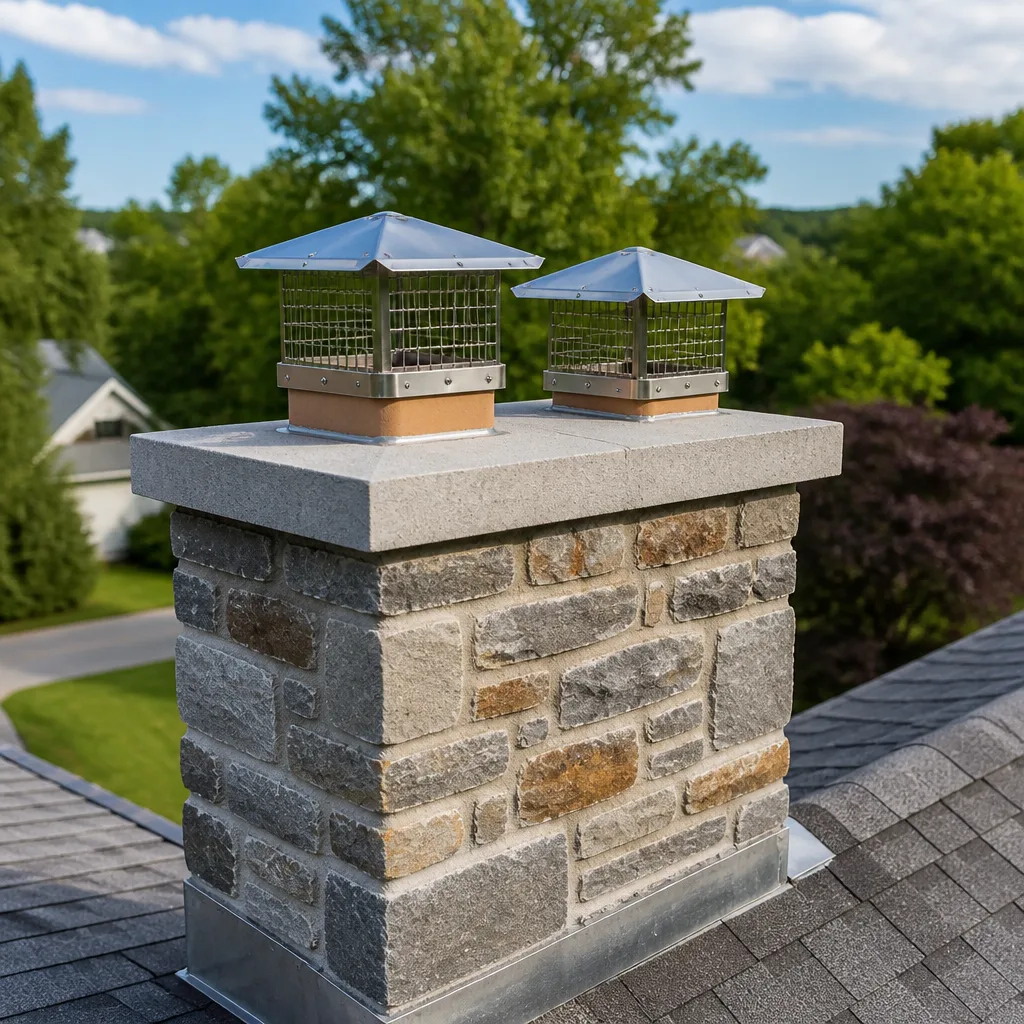 Caps & crowns
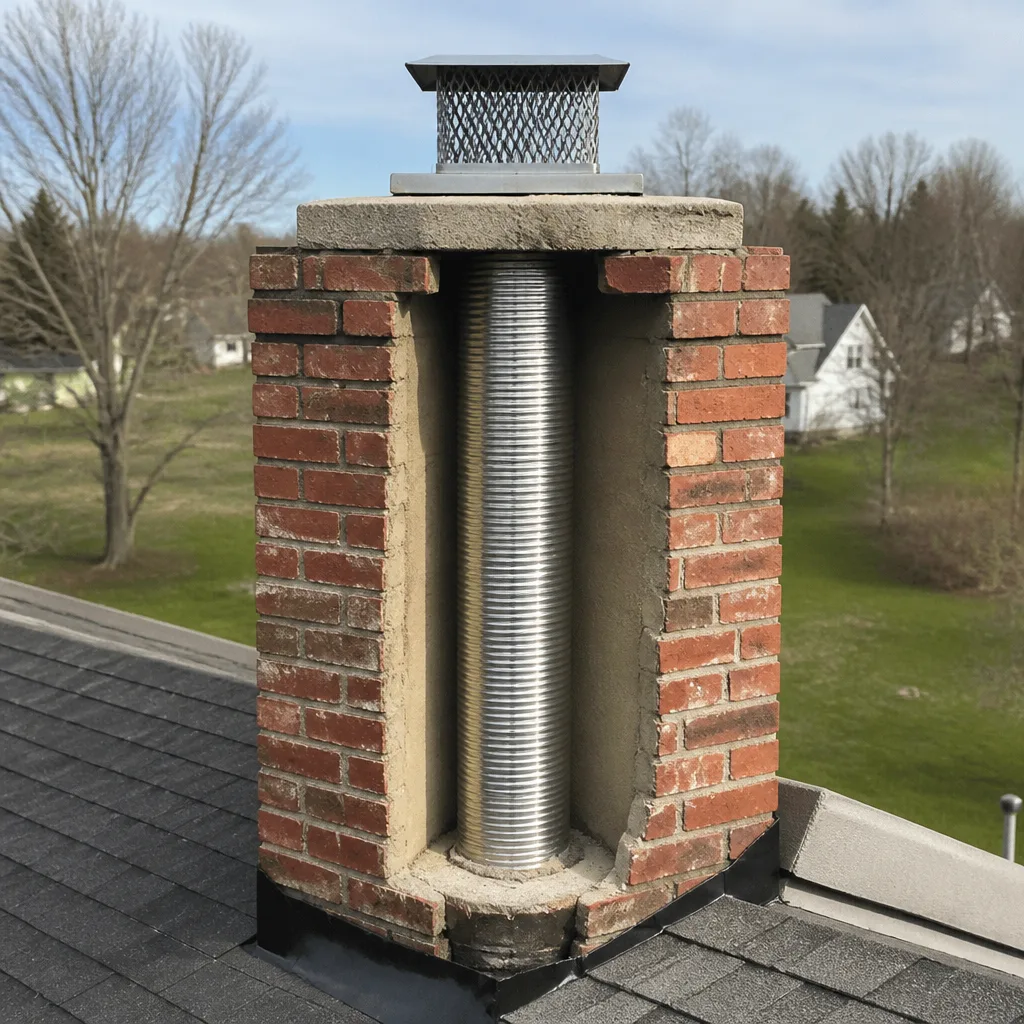 Flue relining
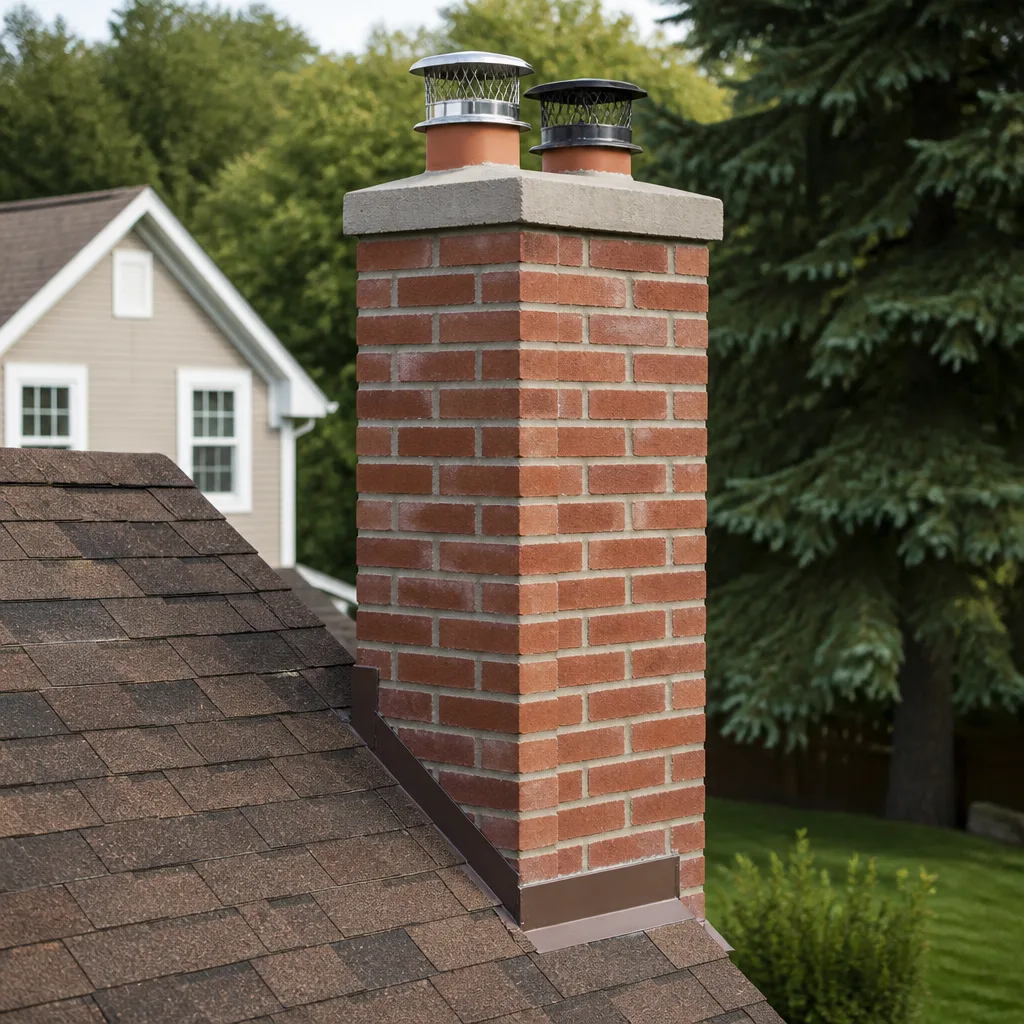 Masonry repair
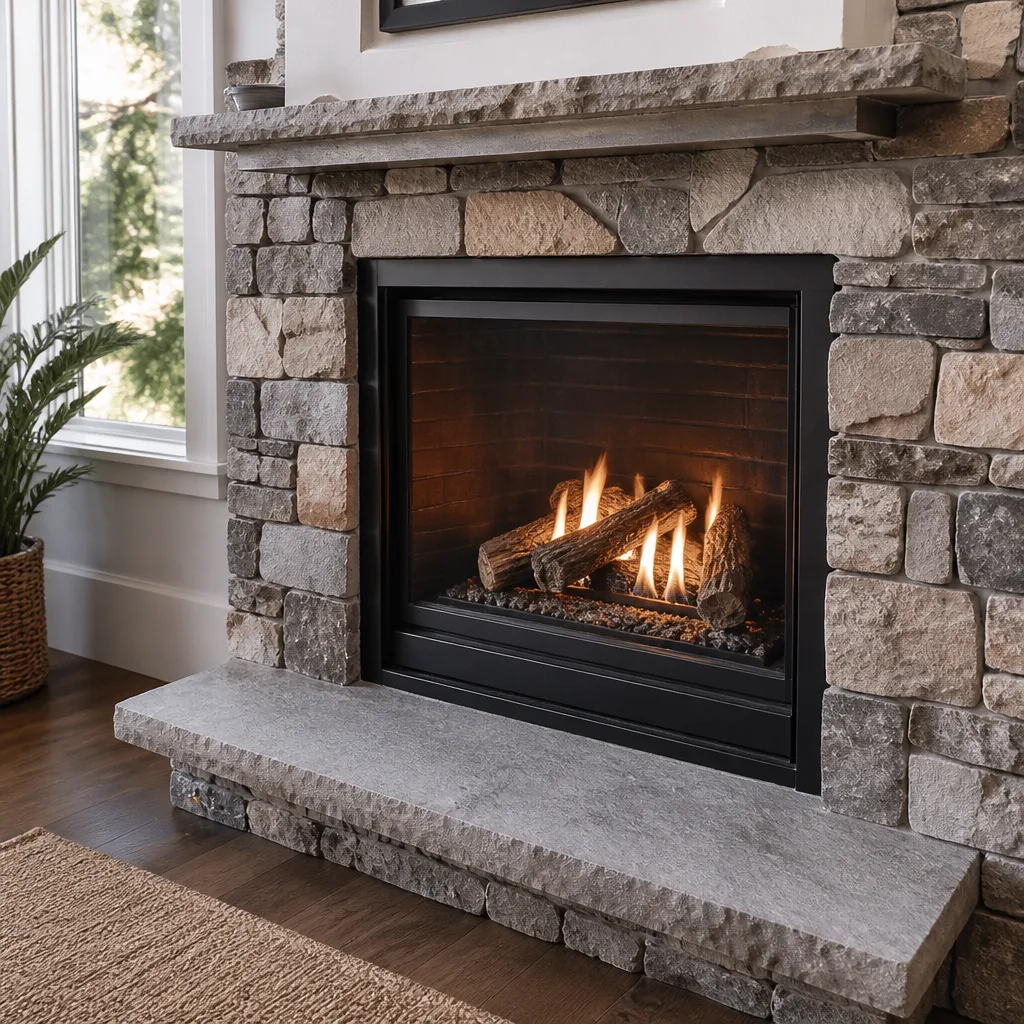 Gas fireplace service
Level 1 sweep and inspection to the NFPA 211 annual standard - flue, crown, cap, and flashing checked and photographed
Chimney sweep logs do not sweep chimneys. They loosen some creosote - which then falls where a brush and vacuum still have to collect it.
Chimney Cleaning Warning Signs: A The Heights Homeowner’s Reference Guide
A white stain running down the brick isn’t a cosmetic issue. It’s efflorescence, and it means water is moving through your masonry. Homeowners in The Heights routinely repaint over it, seal it with the wrong product, or ignore it entirely while the mortar behind it continues to erode. Most warning-sign guides describe the dramatic failures: the chimney fire, the room full of smoke, the crash of falling tile. Those are late-stage events. The signals that matter arrive months earlier, and in this neighborhood’s older housing stock they often look like something else entirely. This guide catalogs those early indicators, explains what each one reveals about the failure mechanism underneath, and shows you how to document what you’re seeing so an inspection starts with evidence.
Quick Answer
The warning signs that matter most on a The Heights chimney are the quiet ones: white mineral staining on exterior brick, rust streaks below the cap, a smoky smell in summer when no fire has burned for months, and smoke that rolls into the room instead of up the flue. White staining and rust point to water intrusion through failed masonry or a deteriorated cap and crown; summer odors and smoke rollout usually point to a liner gap, a failed damper seal, or negative pressure in the house. Only active smoke escaping into the living space or visible creosote ignition in the flue means stop using the fireplace immediately. Everything else is a signal to schedule a sweep and an inspection, not to panic.
Styles & brands we work with
- Sweep & inspection
- Caps & crowns
- Flue relining
- Masonry repair
- Gas fireplace service
Table of Contents
- Exterior Warning Signs: What the Brick Is Telling You
- Interior Warning Signs: Drafting, Rollout, and Odors
- Why a Smoky Smell in July Is Rarely a Cleaning Issue
- Schedule a Sweep vs. Stop Using the Fireplace Now
- How to Photograph and Document What You’re Seeing
- Why The Heights Housing Stock Produces Specific Symptoms
- Warning Signs on a Gas Insert Fireplace
- When in the Year to Act on Each Sign
Exterior Warning Signs: What the Brick Is Telling You
Walk outside and look at your chimney the way an inspector does: from the ground, then from a ladder-free vantage point across the yard, then up close with a flashlight. The exterior of a chimney is a weather record, and every mark on it has a mechanism behind it. Two chimneys that look equally “old” can be in completely different condition, which is why a symptom-by-symptom read matters more than a general impression. Here’s what each exterior signal actually indicates.
- Efflorescence (white, chalky staining). Water is dissolving salts out of the brick or mortar and depositing them on the surface as it evaporates. The stain is harmless by itself. The water path that carries it is not. Efflorescence on a The Heights chimney usually means moisture is entering through the crown, a cracked mortar joint, or a missing cap, and traveling through the masonry instead of shedding off it.
- Spalling brick (faces flaking, popping, or crumbling off). Water got behind the brick face and expanded as it dried, or the brick was sealed with a vapor-blocking product that trapped moisture inside. Spalling is the stage after efflorescence: the masonry is now losing material, not just showing it.
- A cracked crown. The crown is the sloped concrete cap on top of the chimney that throws water away from the flue. Hairline cracks grow with each wetting and drying cycle. A crack that reaches the flue opening is a direct path for water into the interior of the chimney structure.
- Rust staining (orange-brown streaks below the cap or along the flue top). The metal components up there, the cap, the damper housing, the top of a liner, are corroding. Rust streaks tell you water is standing or flowing where it shouldn’t, and that a metal part has been wet long enough to break down.
- Missing or damaged cap. No cap means rain goes straight down the flue and animals and debris settle inside. If you can see daylight straight into the flue from the ground, there’s no effective cap.
None of these require you to stop burning. All of them mean the chimney is taking on water or losing structural material, and that a sweep plus an inspection should come before the next heating season rather than after. Cap, crown, liner, firebox: if it’s part of your chimney system, it’s part of what we do. If the crown or cap itself is the failing part, replacing it is straightforward work; our chimney cap & crown service covers both, and getting it done before the masonry absorbs another season of water is usually the cheaper path.
Interior Warning Signs: Drafting, Rollout, and Odors
Inside the house, the chimney speaks in drafting behavior and smell. A well-functioning flue pulls smoke steadily up and out; the fire lights easily, the smoke clears within a few minutes of starting, and the room doesn’t smell like a campsite the next morning minus the charm. When that pattern changes, something in the system has changed with it. Watch for these interior indicators, each of which points to a different mechanism.
- Smoke rollout at startup. A puff of smoke into the room as you light the fire is common when the flue is cold. Sustained rollout, for more than a minute or two, or rollout every time you light regardless of technique, points to a blocked or undersized flue, a damaged liner that has lost its draft path, or a house that’s depressurized relative to the flue.
- Draft that used to be fine and isn’t. A fireplace that drafted well last winter and struggles this winter has a new obstruction, a partial flue blockage, a bird nest, or a liner failure that narrowed the cross-section.
- Summer odors. The creosote and soot left in a flue smells more in warm, humid weather. Some of that is normal and returns to baseline after a spring sweep. An odor that persists after a cleaning, or that is sharp and acrid rather than ashy, is a different problem entirely (see the next section).
- Visible creosote or soot at the firebox opening or damper. Creosote creeping back down toward the damper suggests a flue restriction underneath it.
- Burning eyes, headache, or drowsiness when the fire is lit. These are potential signs of combustion gases not venting correctly. Stop using the fireplace and call for an inspection. The concern is carbon monoxide, and it’s the reason a damaged liner isn’t a scheduling convenience.
A properly lined flue isn’t a luxury; it’s the difference between safe combustion and carbon monoxide risk. Where the liner itself is the failing component, a DuraFlex liner installation corrects the drafting path and restores the safety envelope in one operation. DuraFlex systems are among the professional-grade materials we install, alongside Gelco and Olympia Chimney products, and they’re chosen specifically because they hold up to the flue’s interior conditions rather than degrading into the very problem you’re fixing.
Why a Smoky Smell in July Is Rarely a Cleaning Issue
Homeowners in The Heights call in July about a smoky smell in the living room, and reasonably assume the chimney just needs sweeping. Often it does not. Warm months change the pressure dynamics in a house, and a chimney that is hermetically sound in January can leak odor in July, but the source of the odor is usually structural, not accumulated soot. Two mechanisms account for most summer smells.
The liner gap
The flue liner carries combustion gases up and away, but it also seals the space between itself and the surrounding masonry. A crack, a joint separation, or a fully deteriorated section leaves that space open to the house. In hot, still weather, the pressure difference between the chimney interior and the living space reverses, and air carrying months-old creosote smell migrates through the gap and into rooms that otherwise smell normal. Sweeping removes surface soot; it doesn’t close the gap. If the flue was clean and the smell persists, the liner is the conversation.
The failed damper seal
The damper is the metal plate that closes the flue when the fireplace isn’t in use. It’s supposed to create an airtight barrier. A warped, pitted, or misaligned damper leaves a gap that sends cold or hot house air up the chimney and pulls scents back down. Gas odor, ash smell, and a persistent “campfire” note in an otherwise clean room usually come from the damper, not the flue.
Why does the distinction matter? Because the repair is completely different. A dirty flue needs a sweep. A liner gap needs an inspection with a camera to confirm the exact extent, then a liner solution. A failed damper seal needs a damper service or replacement. Getting the diagnosis right before booking the work is the entire point of an inspection, and it’s why chimney sweep appointments here include a look at the liner and the damper rather than a soot-level check alone.
Schedule a Sweep vs. Stop Using the Fireplace Now
The single most useful skill in reading warning signs is sorting them into two piles: “schedule the sweep” and “stop using it.” Getting this wrong in either direction costs something real, either a wasted weekend of not burning for no reason, or a fire you shouldn’t have lit. Here’s how to sort what you’re seeing.
Schedule a sweep and inspection (keep burning in the meantime)
- Efflorescence, spalling, rust staining, or a visibly cracked exterior crown with no interior symptoms.
- A smoky smell that only shows up in summer and clears with the first fall fire.
- A one-inch or thicker layer of glazed creosote visible inside the firebox or throat.
- Lighter smoke or less draft than you’re used to, but no rollout into the room.
- The start of a heating season, regardless of visible soot: an annual Chimney Sweep The Heights visit catches early symptoms before they become structural.
Stop using the fireplace immediately and call for an inspection
- Smoke rolling into the room on every fire, or a fire that won’t draft at all.
- Visible creosote combustion in the flue, a “roaring” sound the fire doesn’t account for, or flames licking above the firebox opening.
- Burning eyes, headache, nausea, or drowsiness in the room while the fire is lit.
- A chimney that has been through a chimney fire, even one you put out and think is fine. The liner holds up better than intuition suggests, but the invisible cracks are exactly what a camera inspection is for.
- Any sign of cracked or separated flue tiles visible from the firebox, or mortar joints crumbling out between tiles.
The sorting isn’t permanent. A sign in the first list that persists through a proper sweep moves to the second, and a sign in the second list goes back to the first once an inspection has confirmed the cause. That’s the point of the sweep-plus-inspection pairing: the same visit rules out the dangerous explanations and clarifies what the safe ones need.
How to Photograph and Document What You’re Seeing
Most inspections start blind. The homeowner reports “something looks off,” the technician arrives unsure what the homeowner saw, and the conversation has to restart from scratch. You can skip that step entirely by documenting the warning signs in advance. A handful of photos taken with a phone, plus three lines of notes, lets a sweep triage the visit before anyone climbs on a roof. Here’s the sequence.
- Photograph the exterior from three distances. Ground level across the yard (context), a mid-range shot of the chimney at the roofline (condition), and a close-up of any stain, crack, or spalling (detail). Match each close-up to its context shot so the location is obvious.
- Photograph the interior opening and the firebox. Frame the fireplace opening, the damper, and the throat in one or two shots. If you can safely reach the throat with a flashlight, take a shot up into the flue from below without putting your head inside.
- Note what changed, and when. “Smell started in June” is more useful than “smells smoky.” “Draft got worse after the new insert was installed” is more useful still. Dates and triggers narrow the diagnosis before a camera goes in.
- Note the weather when the symptom shows up. Odors that appear only on hot, still days point toward liner gaps or negative pressure. Draft problems that only appear on windy days point toward crown or cap issues.
- Photograph the roofline above the chimney from the ground. If you can see the cap, the crown, or the flue opening at all, that shot covers the top of the system without an inspection ladder.
Send these photos when you book. A sweep who has seen the exterior staining, the firebox, and the trigger notes before arriving can triage the visit: some of those photos will point to a sweep and a crown repair, others to a full camera inspection of the liner. In our experience, a documented call comes back with a faster, more accurate estimate than a phone call describing a smell. Your own photos also give you an interpretive baseline: when next year’s inspection finds new staining, you’ll have last year’s image to compare against.
Why The Heights Housing Stock Produces Specific Symptoms
The Heights is a neighborhood of older houses, and older houses carry chimney systems that were built under different assumptions than modern ones. The details vary from block to block, but the general pattern is consistent, and it shapes which warning signs appear here and what they mean.
Older chimneys were often built with unlined or clay-tiled flues. A clay tile flue is durable when it’s intact and it’s still a common standard, but the tiles were laid in mortar joints, and every joint is a potential failure point. A joint separation shows up as a liner gap, which shows up as a summer odor or a drafting problem. When the tiles fall out of alignment or crack, the fix isn’t cleaning, it’s a liner, and DuraFlex or Olympia Chimney liner systems are the materials that solve this problem without rebuilding the entire stack. The same pattern shows up in the firebox itself, where years of heat cycling spall the firebrick and open the joints. HeatShield restoration handles that deterioration without pulling out the original firebox: the same lasting result with less disruption than demolition, and it’s the repair most cleaning-only services can’t offer.
Houses in The Heights also sit at close quarters, which matters for drafting. A tall neighboring roofline, a mature tree, or a two-story addition built after the chimney went up can change the wind pressure at the flue termination. Symptoms that look like “the sweep will handle it” – a fire that drafts badly on certain days, smoke that comes back down the chimney during weather changes – often trace back to the cap height or crown design, not the soot. When drafting problems track the wind, look up first. Modern appliances matter too: an exhaust fan, a range hood, or a high-capacity dryer in a house this age can depressurize the living space enough that the chimney, which relies on air pressure for its draft, loses the air it needs. Drafting complaints in a house with a recently added large exhaust fan are frequently a pressure problem, and sweeping won’t fix it.
Warning Signs on a Gas Insert Fireplace
A gas insert fireplace still has a chimney, still relies on a flue to carry exhaust, and still tells you when something is wrong – just quietly. The signals differ from a wood-burning fireplace, and they’re easier to miss because there’s no smoke to watch and no creosote to see.
- A smell of unburned gas when the fireplace is off. Usually a matter for the gas utility or a qualified gas appliance technician, not a chimney sweep. Treat it as urgent and don’t use the fireplace until it’s cleared.
- Soot deposits on the glass, the logs, or the interior panels. Soot in a gas appliance is a sign of incomplete combustion, which can point to an obstructed vent or a malfunctioning burner. Stop using it and get it inspected.
- A lingering exhaust or “burnt” smell in the room after the fireplace has been off for hours. This is the gas-insert version of the summer-smell symptom: the venting path is leaking, usually at the liner connection or the cap.
- Weak or inconsistent flame that changes with the weather. On a gas insert, that’s not cosmetic; it’s a venting or pressure problem.
- Excess moisture on the interior glass or a metallic taste in the air nearby. Both merit a call, not a wait-and-see.
Gas inserts also have a specific structural relationship with the original chimney: the insert vents through a liner that was retrofitted inside the wood-burning flue, and that liner can fail at its joints or its termination the same way a wood-burning liner can. Cap and crown issues matter here too – the cap termination is where exhaust leaves the system, and a partially blocked cap on a gas insert can send exhaust back into the house. If your summer smell persists even on a fireplace you no longer burn in, the venting path is the place to look. Our fireplace repair service covers gas insert venting alongside wood-burning fireplace work, so the diagnosis and the fix come from the same visit.
When in the Year to Act on Each Sign
Timing matters because the cost of waiting is not linear. Some warning signs can wait through a season without getting worse. Others compound with weather. Here’s how the calendar works for a The Heights chimney.
- Exterior staining, spalling, and crown cracks: act before the next rainy period, not before the next fire. Water intrusion is the mechanism; every wetting cycle widens the crack and carries more water into the masonry. Don’t paint over efflorescence or seal brick with vapor-blocking paint: both trap moisture in the wall.
- Summer odors: diagnose in summer, when the mechanism is active and easy to confirm. An inspection in June confirms a liner gap or damper failure; the repair can then happen before the next burning season without waiting behind a fall backlog.
- Drafting problems and smoke rollout: act before the next fire. Drafting problems that show up in the fall usually get worse as the weather cools and the fire is used more. Fixing the mechanism in warm weather is not urgent in appearance, but it is easier to schedule than in the first cold week.
- Creosote buildup: sweep before the burning season starts. The purpose of an annual sweep is to remove last season’s deposits before they accumulate through another year of use. Glazed creosote is not a “next year” material; it’s a fire-loading material.
- Rust staining and cap damage: act before the next heavy rain. Rust is already the later stage of a wet component; the cap itself is what’s been failing to protect the system during the current wet cycle.
- Burning eyes, headache, or drowsiness while the fire is lit: act immediately, not seasonally. This is a combustion safety signal, and it means the flue is not venting correctly.
The general rule: exterior signs move on the weather calendar, interior signs move on the burning calendar. When the two overlap, act on the exterior signs first, since water damage is cumulative and independent of whether you’re using the fireplace.
Common Mistakes to Avoid
- Painting over efflorescence. Paint traps the moisture that’s causing the stain and pushes the damage deeper into the masonry. You’ll still have the water path and now a paint layer peeling off in sheets. Address the water entry at the crown or the mortar joint, not the stain on the surface.
- Sealing the chimney brick with a vapor-blocking sealer. Brick needs to breathe. A breathable masonry treatment lets trapped moisture evaporate outward; a non-breathable one turns the brick face into a spall waiting to happen, which is often what the “old looking” brick on a The Heights chimney already is.
- Assuming a summer smell means a sweep is due. A sweep removes soot from the flue; it doesn’t close a liner gap or reset a failed damper. If the fireplace was just swept and the summer smell persists, the cause was never cleaning in the first place – it’s venting, and an inspection with a camera is what finds it.
- Waiting for the first cold snap to book. The first cold week is the busiest week of the year for every chimney service in The Heights. Warning signs that appeared in July can be addressed in August. The same sign discovered on the first cold Saturday is a call, not a booking.
- Treating smoke rollout as a technique problem. Warm-up tricks work for the first few minutes of a cold flue. If rollout continues after the fire has been going for ten minutes, it’s not your fire-starting; it’s the flue, the liner, or the house pressure. Stop treating it as a skill issue.
- Burning through a rusted cap because it “still covers the top.” A cap that’s rusting is a cap that’s failing to shed water. The rust streaks running down the chimney below it are the evidence. Replacing the cap before the next heavy rain is cheaper than repairing the crown underneath it.
- Not documenting what you see. A phone photo, a date, and a weather note cost nothing and turn “something is off” into a diagnosable report. Without them, the inspection may need to explore paths your photos already ruled out.
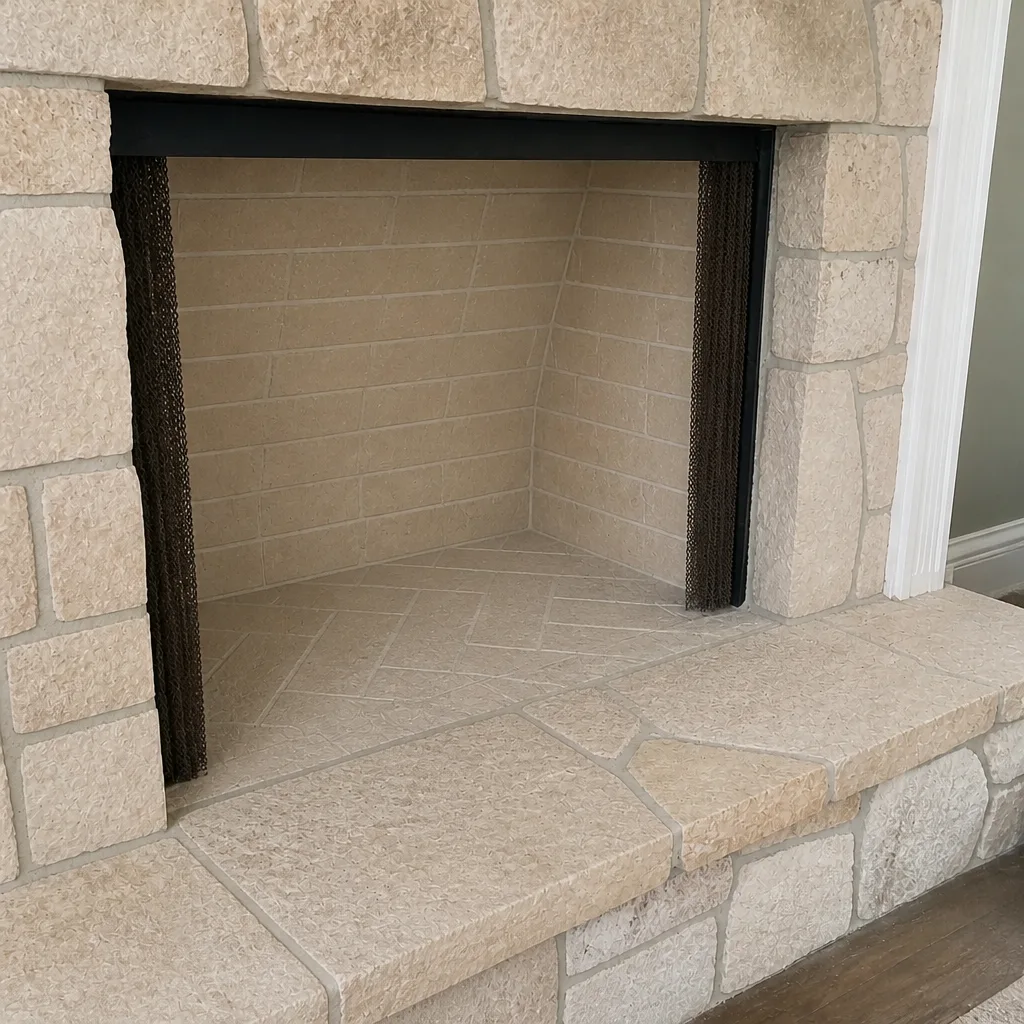
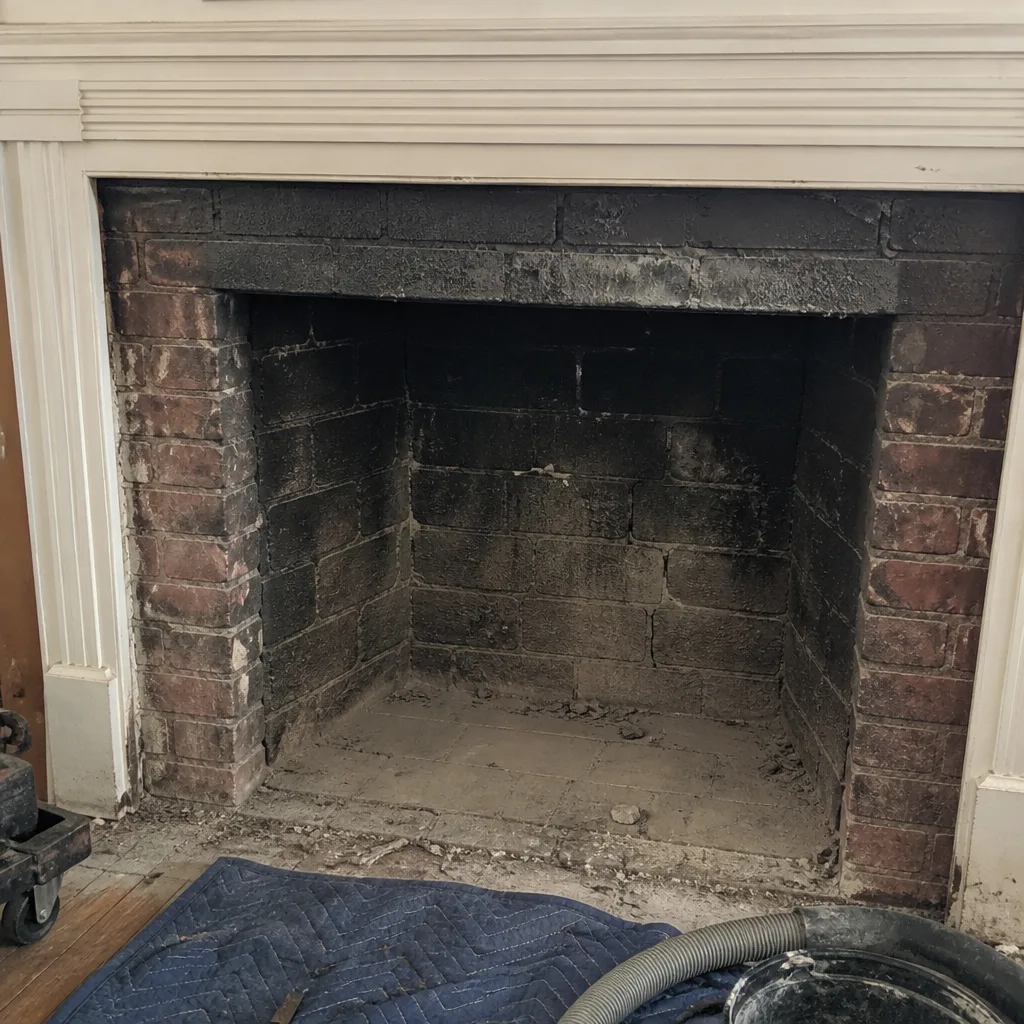
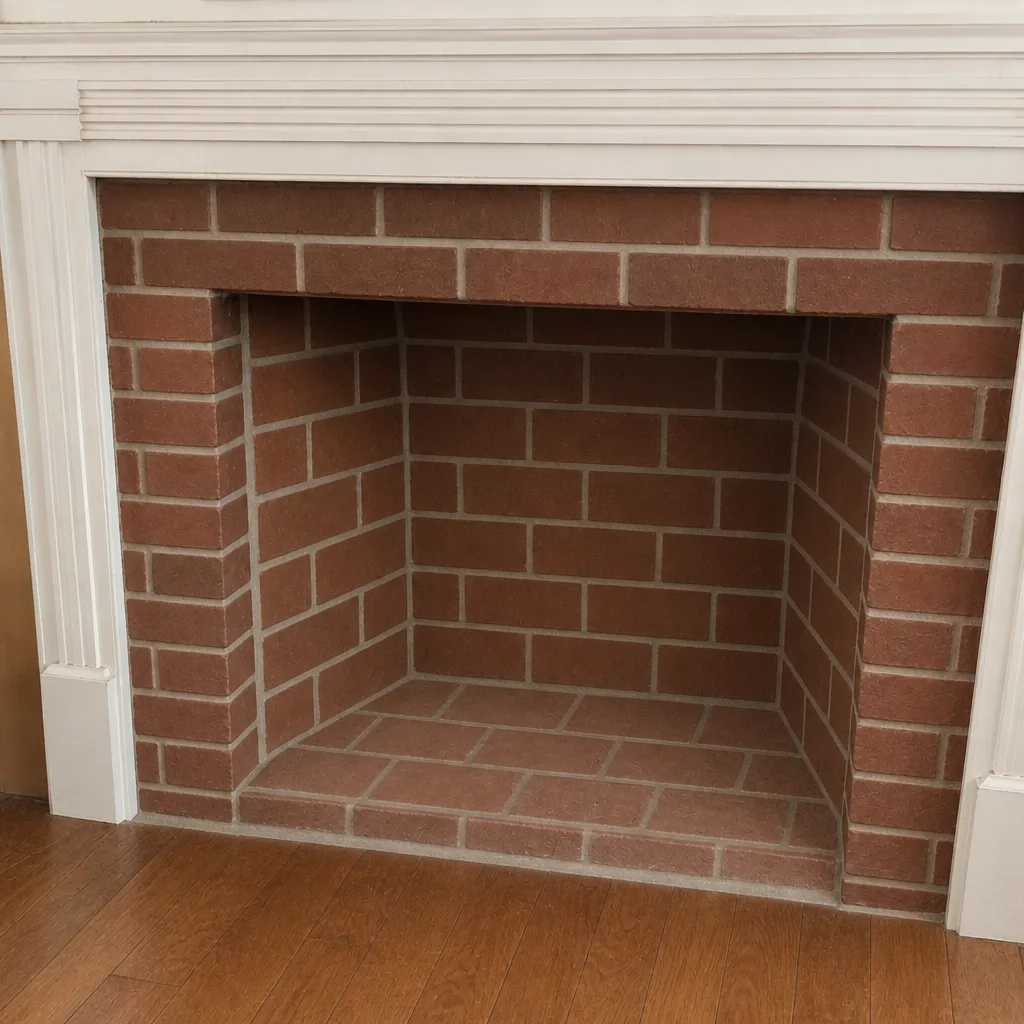
See the difference
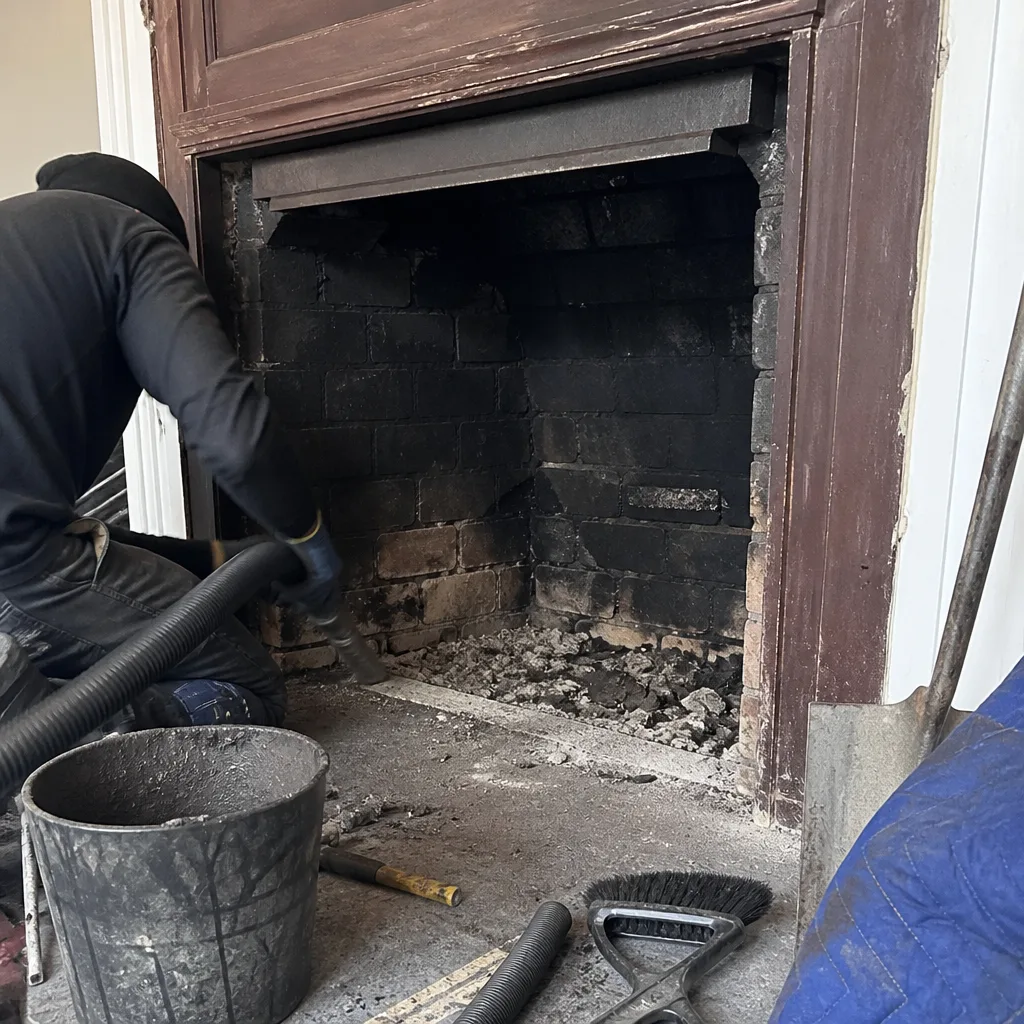 Before
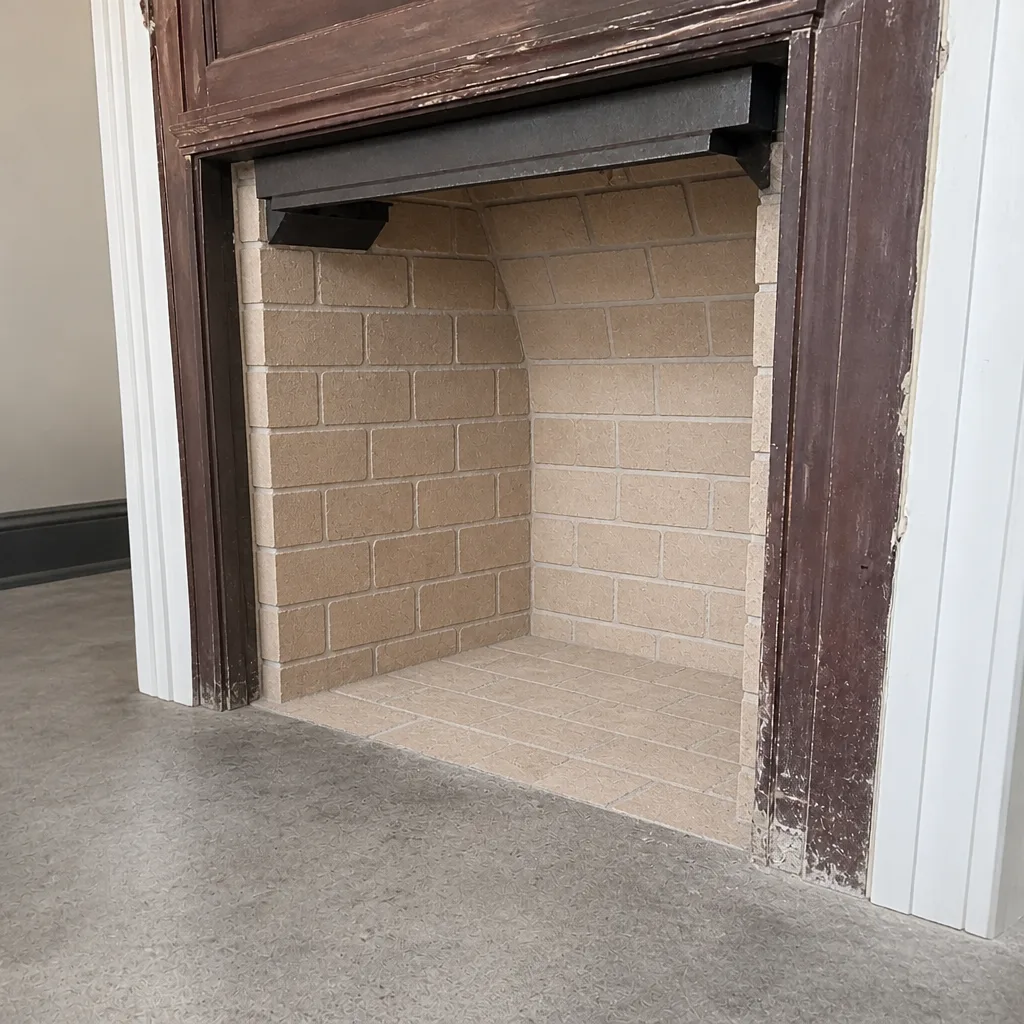 After
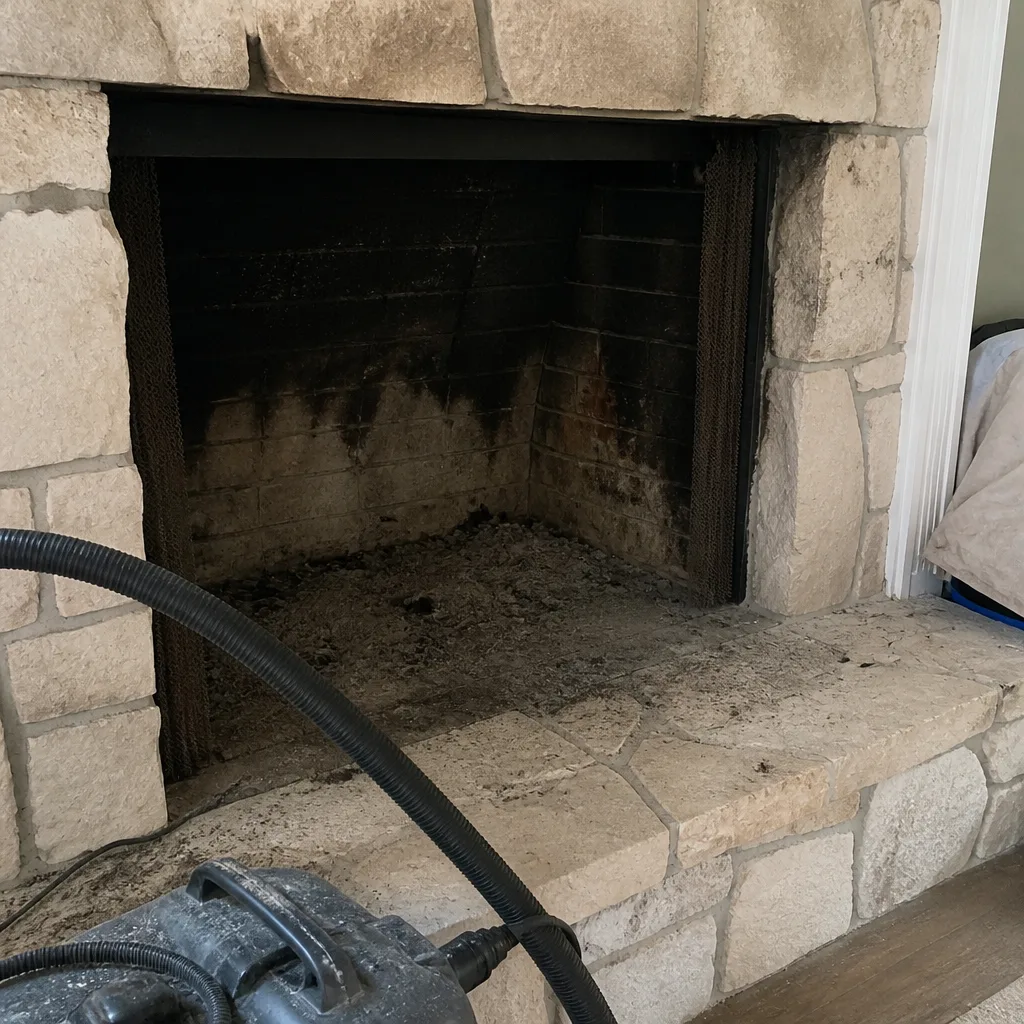 Before
 After
 Before
 After
When to Call a Professional
Call for a professional visit when any of these are true: efflorescence or rust staining persists after the next heavy rain, spalling brick is visible on the exterior, the crown has a visible crack that reaches the flue, a summer smell remains after a sweep, drafting has gotten worse without a clear cause, smoke rolls into the room after the fire is established, or anyone in the room reports burning eyes, headache, or drowsiness while the fireplace is lit. The last one is not a schedule-it-later scenario; stop using the fireplace and call. For the rest, documentation plus a sweep and inspection is the correct next step, and the sweep-plus-camera pairing rules out the dangerous explanation before anything else gets priced. Chimney Sweep The Heights offers free estimates in The Heights. Call (877) 810-4894. We answer 24/7. Fast dispatch from 7am to 7pm, Sunday through Friday.
Frequently Asked Questions
The earliest signs are usually exterior: white efflorescence staining on the brick, small rust streaks below the cap, and a hairline crack in the crown. These precede structural damage by months. They’re also the easiest to dismiss as cosmetic, which is why photographing the chimney now and comparing to it next season gives you a baseline that a general impression can’t provide.
Almost always because the chimney isn’t sealing properly, not because it needs cleaning. The two most common causes are a gap or crack in the flue liner, which lets creosote smell migrate into the house through the masonry, and a damaged damper seal, which lets house air move up the flue. Cleaning removes soot from the inside; it doesn’t close a gap or fix a warped damper. A camera inspection confirms which one you have.
The white staining itself is not harmful; the moisture path that creates it is. Efflorescence means water is entering the masonry and evaporating out through the brick, carrying salts with it. Left alone, the same water path causes spalling, mortar erosion, and eventually movement of brickwork. Treat it as a sign the crown, mortar joints, or cap have failed and need attention. The remedy is re-sealing the water entry, not sealing the brick face.
Once a year for a fireplace that’s used regularly, and once a year for a fireplace that isn’t. An unused fireplace accumulates a small amount of creosote from the last fire and holds it, along with any nesting or debris that finds its way in during the off-season; an annual sweep removes both and lets the inspection catch structural changes. If you burn heavily through the season, or burn unseasoned wood, a mid-season check makes sense on top of the annual sweep.
The liner question is answered by an inspection, not a guess. If the camera finds a cracked, separated, or deteriorated clay tile flue, a DuraFlex liner addresses the actual mechanism – the gap or crack through which combustion gases and creosote smell pass into the house. A properly lined flue isn’t a luxury; it’s the difference between safe combustion and carbon monoxide risk. Where the firebox itself is deteriorating but the liner isn’t, HeatShield restoration may solve the problem without a liner replacement at all, which is why both should be on the table when the inspection is scoped.
Yes, and doing so improves the visit. Take exterior shots from ground level, mid-range, and close-up; interior shots of the firebox opening, damper, and throat; note what changed and when; and note the weather conditions that trigger the symptom. Send these when you book. A sweep who has already seen the staining, the firebox, and the trigger notes can triage the visit and arrive with a sense of what to inspect first. Call (877) 810-4894 for a free estimate and to send your photos. We answer 24/7. Fast dispatch from 7am to 7pm, Sunday through Friday.
The Bottom Line
The warning signs that matter most on a The Heights chimney show up early and quietly: efflorescence, spalling brick, rust staining, a cracked crown. Each points to a specific failure mechanism, and each is fixable before it becomes a structural problem. Interior signs diverge: summer odors usually mean a liner gap or a failed damper seal, not a dirty flue; sustained smoke rollout usually means a drafting or liner problem, not technique; burning eyes, headache, or drowsiness while the fire is lit means stop using the fireplace now. Document what you see, sweep and inspect once a year, and treat the exterior signs on the weather calendar and the interior ones on the burning calendar. Triage the signs, save the fireplace, and call before the season starts.
Chimney Sweep The Heights sweeps, inspects, and repairs, so the same technician who finds the problem can fix it. Cap, crown, liner, firebox: if it’s part of your chimney system, it’s part of what we do. Our technicians have up to 11 years of experience, and we install DuraFlex, HeatShield, Gelco, Olympia Chimney, Famco, and Copperfield products. Call (877) 810-4894 for a free estimate. We answer 24/7. Fast dispatch from 7am to 7pm, Sunday through Friday.
Written by the team at Chimney Sweep The Heights.