
Last updated November 24, 2026
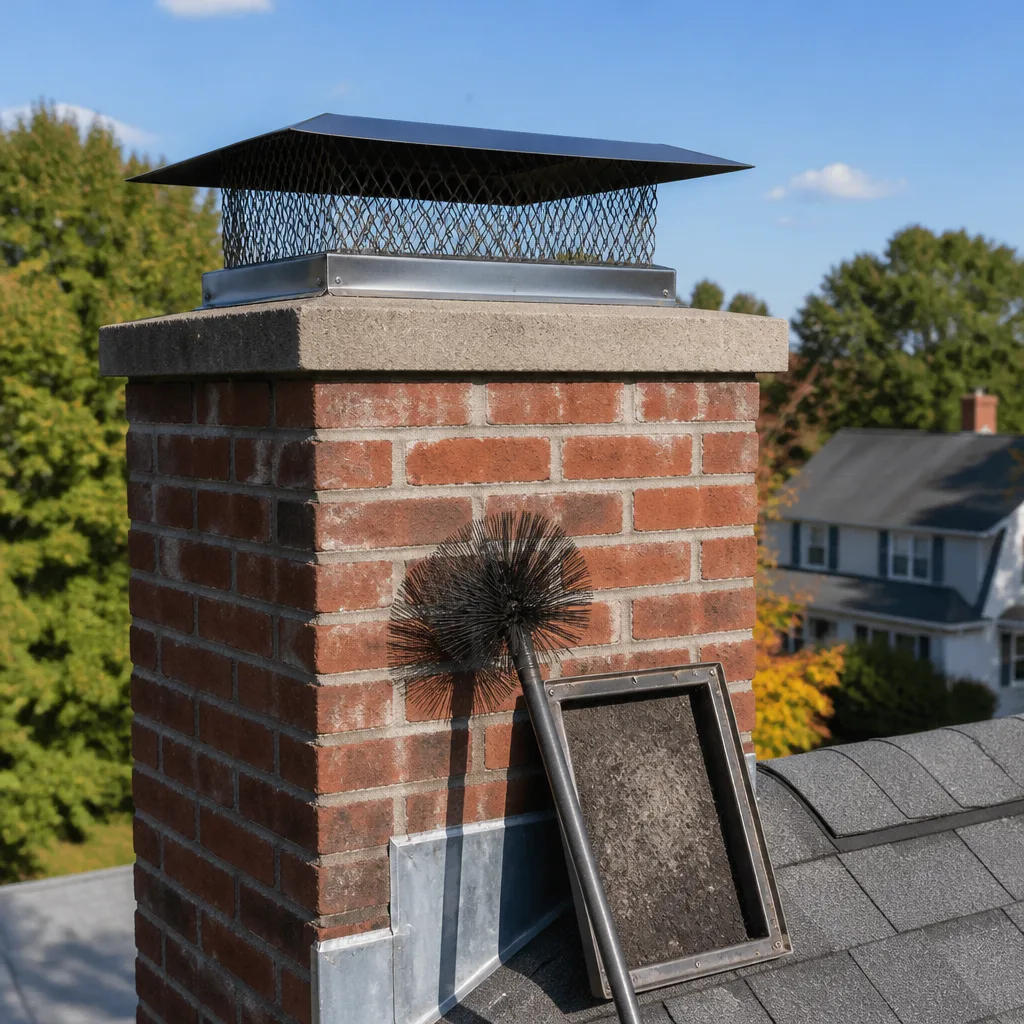 Sweep & inspection
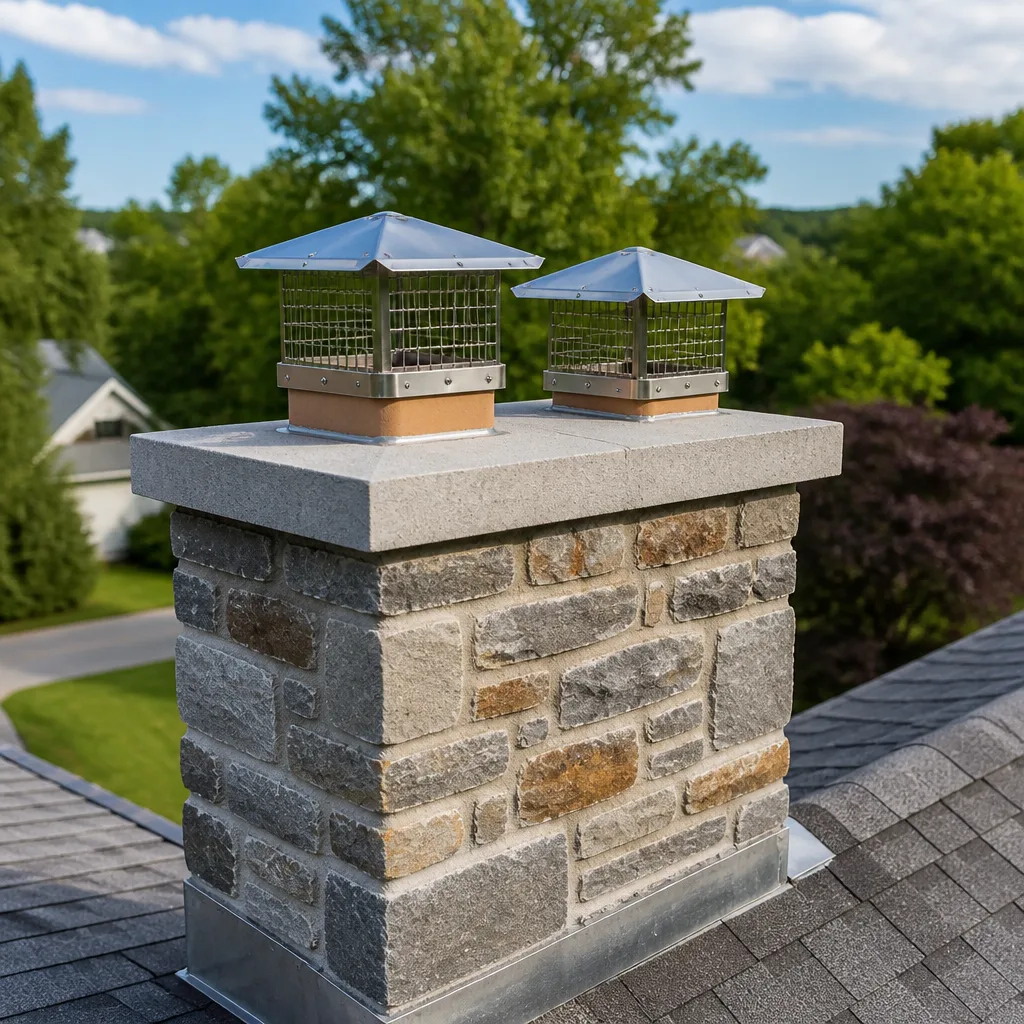 Caps & crowns
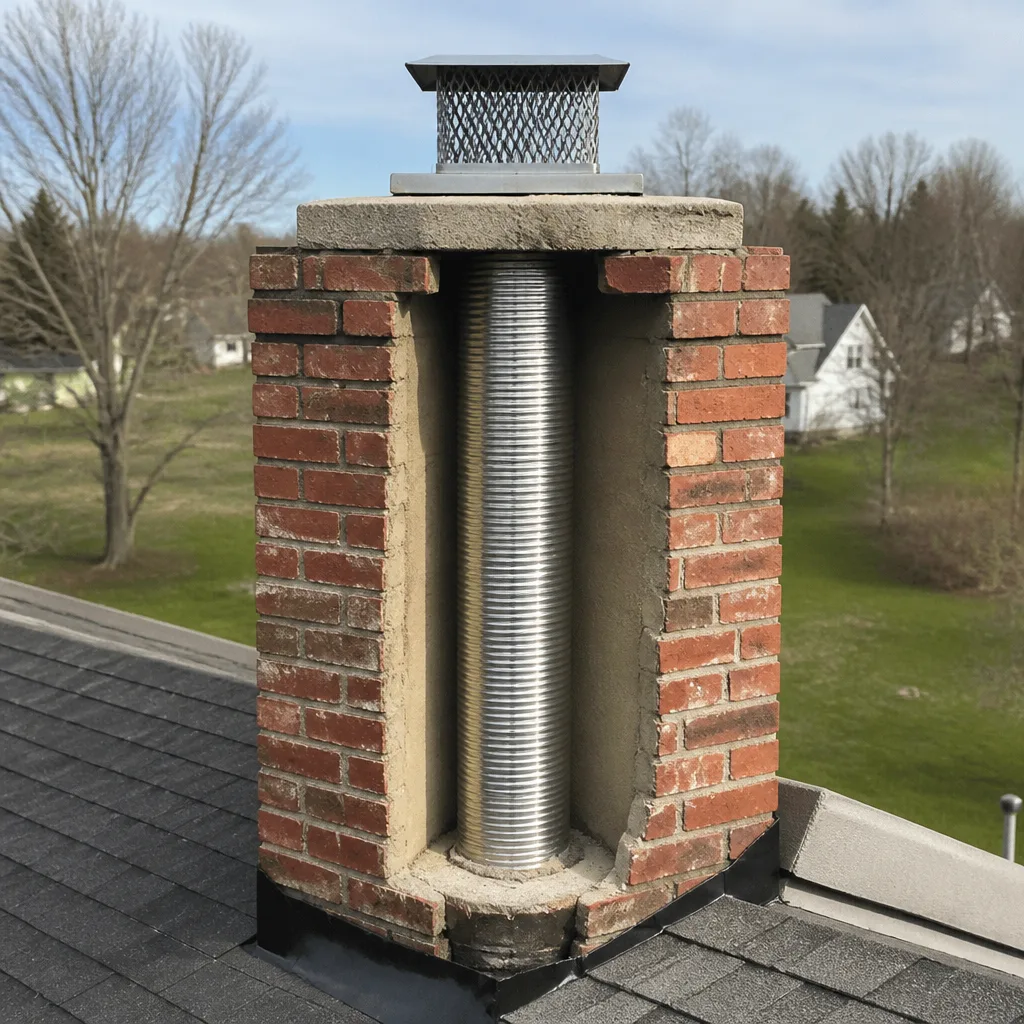 Flue relining
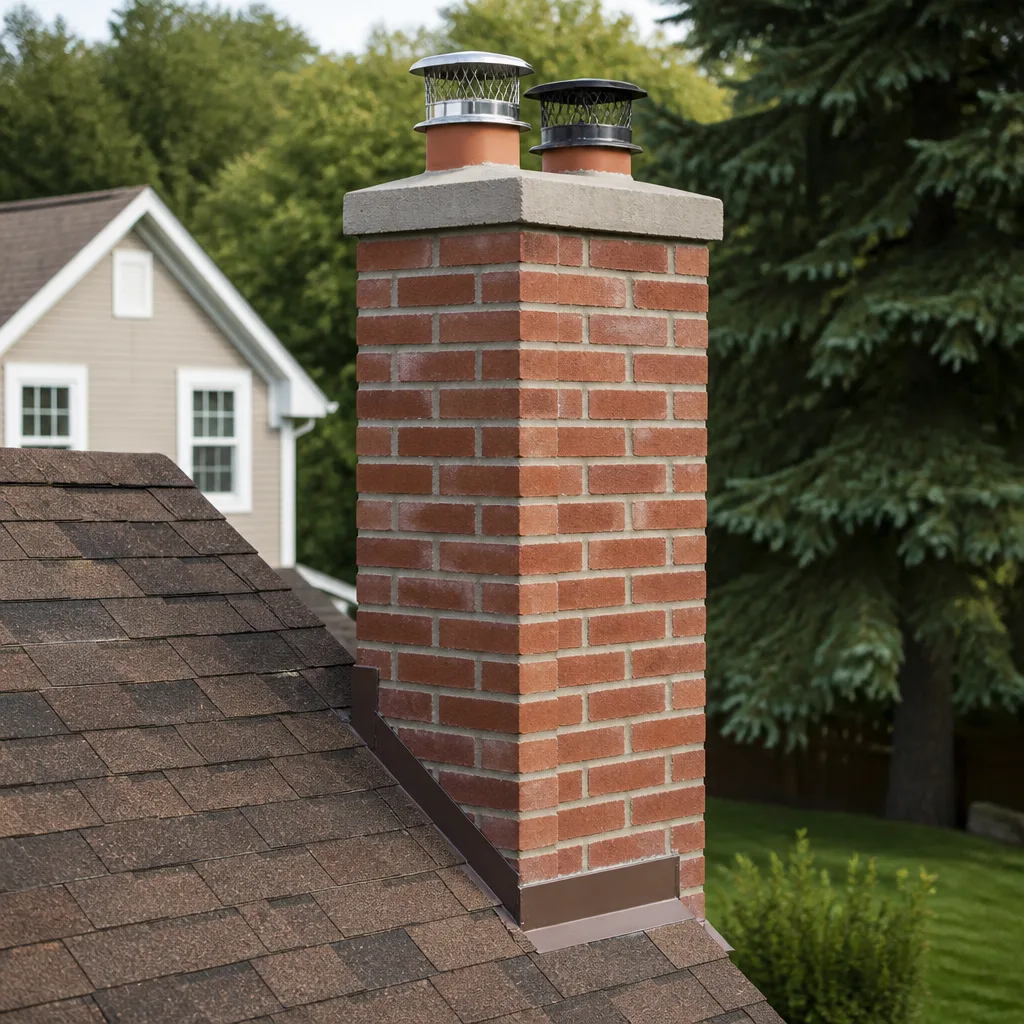 Masonry repair
 Gas fireplace service
Level 1 sweep and inspection to the NFPA 211 annual standard - flue, crown, cap, and flashing checked and photographed
Chimney sweep logs do not sweep chimneys. They loosen some creosote - which then falls where a brush and vacuum still have to collect it.
Seasonal Chimney Cleaning Care for The Heights: Year-Round Homeowner’s Guide
If you schedule your chimney sweep in January, after you’ve already burned through December, you’ve already run your highest-traffic burn nights on a dirty flue. That’s the mistake we see most in The Heights: homeowners borrow a northern four-season chimney calendar and apply it to a climate that doesn’t have four equal seasons. Houston’s fire season is short and mild, which shrinks the window for cleaning before burning to a few focused weeks in fall. Miss it and you’re behind for the whole year. This guide rebuilds the calendar around the Gulf Coast’s actual rhythm – humid off-season, compact burn season, and the two inspection windows that matter most. Mention The Heights once, done.
Quick Answer
The right seasonal schedule for The Heights is a three-window cycle, not a four-season one: inspect and weatherproof in August before the humid off-season ends, sweep and prepare in September or October before your first fire, and inspect again in February to catch winter damage before summer moisture works into the masonry. Cleaning frequency depends on how much you burn – most The Heights households that use the fireplace regularly need one sweep per season, and light users may go a full year between sweeps if an inspection shows the flue is still clear.
Styles & brands we work with
- Sweep & inspection
- Caps & crowns
- Flue relining
- Masonry repair
- Gas fireplace service
Table of Contents
- Why The Heights Needs a Different Chimney Calendar
- August: The Off-Season Inspection That Most Homeowners Skip
- September and October: The Pre-Burn Prep Window
- Between Seasons: Weatherproofing the Chimney System
- February: The Post-Season Inspection Case
- How Burn Frequency in Houston Shapes Creosote Stage and Cleaning Method
- Month-by-Month Task Map for The Heights Homeowners
- What the Cycle Costs and How to Book It
Why The Heights Needs a Different Chimney Calendar
Chimney care advice written for Chicago or Boston assumes you burn four to six months a year, face sustained freezing, and have a long, cold off-season when nothing much happens to the house. None of that describes The Heights. Winters are mild, which means many households burn only on the handful of genuinely cold nights each year. That short burn season changes everything about how creosote accumulates and when damage actually happens.
Here’s the part most guides miss: in The Heights, the damage rarely happens during burning. It happens in the humid months when the chimney sits unused. Summer humidity in this part of Texas drives moisture into masonry, softens mortar joints, and creates exactly the conditions that attract birds and squirrels looking for a dry place to nest. If you weatherproof and inspect in the spring and then forget the chimney until fall, that moisture has had all summer to work.
The northern calendar says: sweep in the fall, forget the rest. The The Heights calendar says: use August to assess what the humid months did, use September and October to prepare for the burn season, and use February to lock in the findings from winter before the next humid stretch begins. That’s the whole framework. Everything below fills in the details.
If you’re brand new to the area or new to a house with a fireplace, start by reading our guide to Chimney Sweep The Heights for the fundamentals, then come back here for the timing.
August: The Off-Season Inspection That Most Homeowners Skip
August is the single most useful month to look at a The Heights chimney, and it’s the month almost nobody books. By late summer, your chimney has been through three or four months of Gulf Coast humidity with no fire to dry it out. That’s the window when moisture damage, animal intrusion, and crown wear show up clearly.
What a proper August assessment covers:
- Masonry and mortar joints – soft or crumbling mortar around the crown and the first few courses of brick signals that summer moisture has been getting in.
- Crown condition – the concrete cap on top of the chimney is the roof of the whole structure. Cracks let water run straight down into the flue.
- Chimney cap and spark screen – if the cap is missing or the screen is torn, you likely have birds or squirrels. This is the number one off-season problem we encounter in The Heights.
- Damper operation – a damper that sticks open in summer is an open door for humid air and pests.
- Flue condition – visible cracks in clay tile liners worsen over the wet months and often show clearly by August.
Doing this assessment in August gives you a full six to eight weeks to schedule any repair before you actually want to light a fire. If you wait until the first cold front, you’re competing with everyone else in The Heights for a spot on a repair schedule.
September and October: The Pre-Burn Prep Window
The burn season in The Heights typically opens in late October or November, when the first genuinely cool evenings arrive. That means your sweep window is narrower than most homeowners think. You have roughly six to eight weeks to get the chimney cleaned, inspected, and any repair scheduled before you want to use it.
Here’s the sequence we recommend to every The Heights homeowner who wants a single, efficient cycle:
- Book the sweep in early September. By the time October arrives, our schedule fills with people reacting to the first cool morning. Booking early means the chimney is clean and inspected with time to spare.
- Get a Level 1 or Level 2 inspection during the same visit. A sweep and an inspection are not the same thing. The chimney sweep removes creosote and soot; the inspection documents the flue condition, cap, crown, and firebox so you have a written baseline.
- Fix anything the inspection found before the first fire. A cracked crown, a failing damper, or a damaged liner should be addressed before you burn, not after. Winter damage is what makes small issues turn into structural repairs.
- Test the draft. After the sweep, light a single small fire to confirm the flue pulls correctly. A cold flue can struggle to draft on the first fire of the season, and a quick test tells you whether you’re set.
- Restock your wood supply. Seasoned hardwood, stored dry and off the ground, burns cleaner than green wood and produces less creosote.
If your inspection finds a liner problem, that’s a repair to take seriously. DuraFlex liner systems are what we install to reline aging or damaged flues, and the work needs to be scheduled before the burn season, not in the middle of it.
Between Seasons: Weatherproofing the Chimney System
In a high-humidity environment like The Heights, weatherproofing isn’t a spring cleaning task – it’s the main event. The chimney system is built to shed water, and every component that fails to do its job lets moisture into masonry that takes months to dry. The three components that matter most are the cap, the crown, and the damper gasket.
The cap. A stainless steel chimney cap & crown system is the first line of defense. It keeps rain out, blocks animals, and traps sparks. A cap that’s loose, rusted, or missing is a weatherproofing failure. We install caps from Olympia Chimney and Gelco because those are the brands specified by professional chimney contractors across the country, not generic hardware store substitutes.
The crown. The crown is the concrete or masonry surface on top of the chimney that sheds water away from the flue. A cracked crown is the most common moisture entry point we find in The Heights, and it’s also one of the cheapest to fix if you catch it early. Crown sealants and repair compounds from Famco and Copperfield are formulated for exactly this job.
The damper gasket. A damper that doesn’t seal tightly lets humid air rise into the flue all summer. If your damper is warped or the gasket is worn, replacing it is a small job with a big effect on how dry your chimney stays between seasons.
These three components together are the difference between a chimney that survives the humid months intact and one that comes into fall needing masonry work.
February: The Post-Season Inspection Case
February is the second inspection window most The Heights homeowners miss. The logic is simple: by February, you’ve been through your burn season. Whatever damage happened during those months – cracked masonry from heat cycling, a liner that took stress from a hot fire, a cap that got knocked loose – is showing now. If you wait until fall to inspect, that damage has had all summer of humidity to worsen.
A February inspection does three things:
- Catches winter damage before moisture compounds it. Small masonry cracks found in February can be sealed in March. The same cracks found in October have spent a whole summer letting water into the wall.
- Documents the burn season. A written inspection report gives you a record of what your chimney looked like after the season, which is useful if you ever file an insurance claim or sell the house.
- Sets up the spring repair schedule. Any repair found in February can be completed before the humid season, when masonry work is most effective.
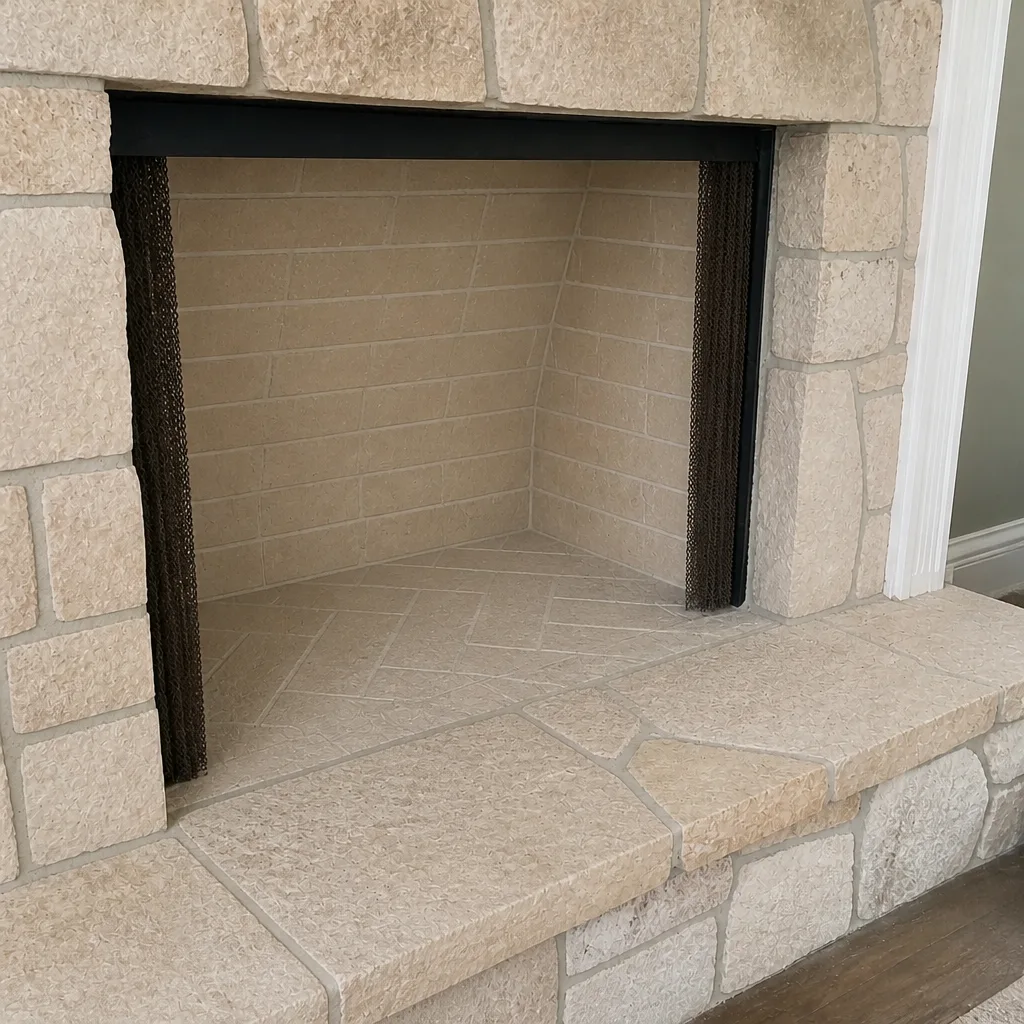
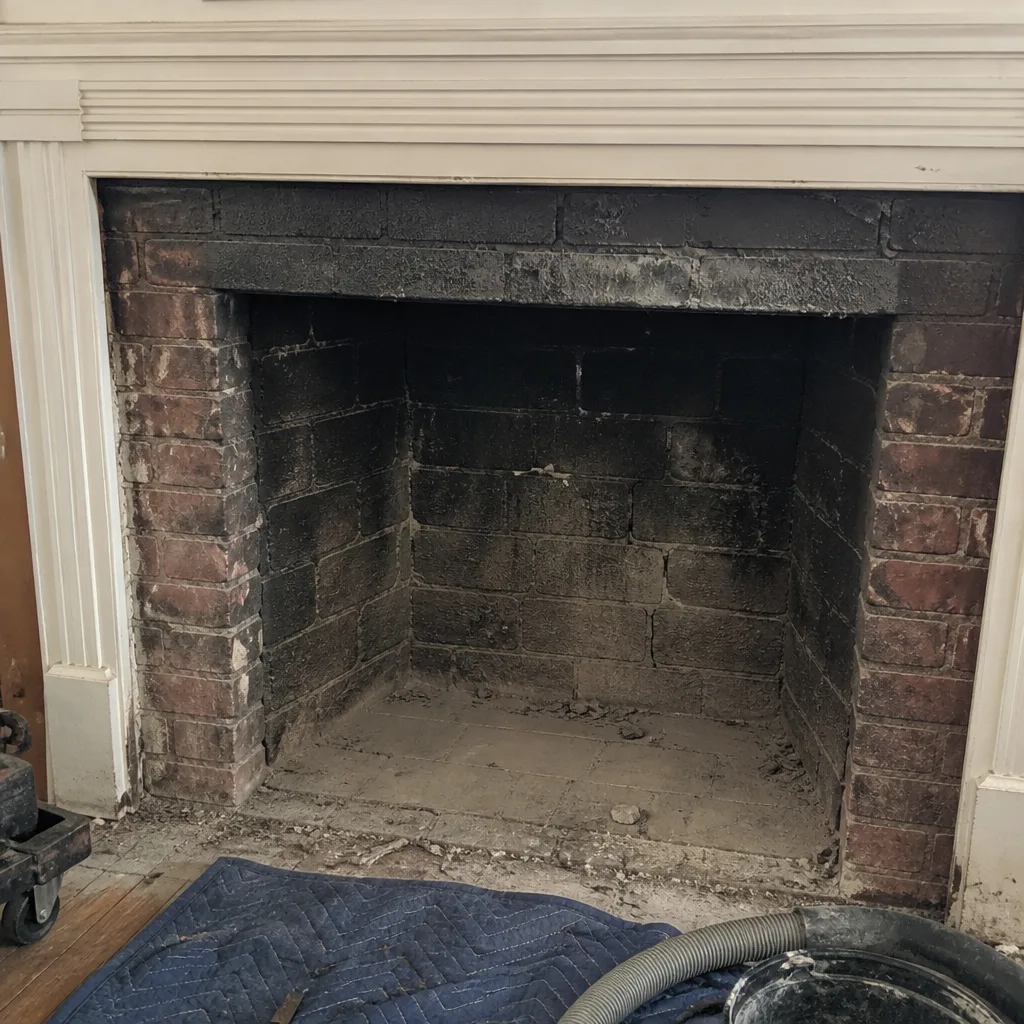
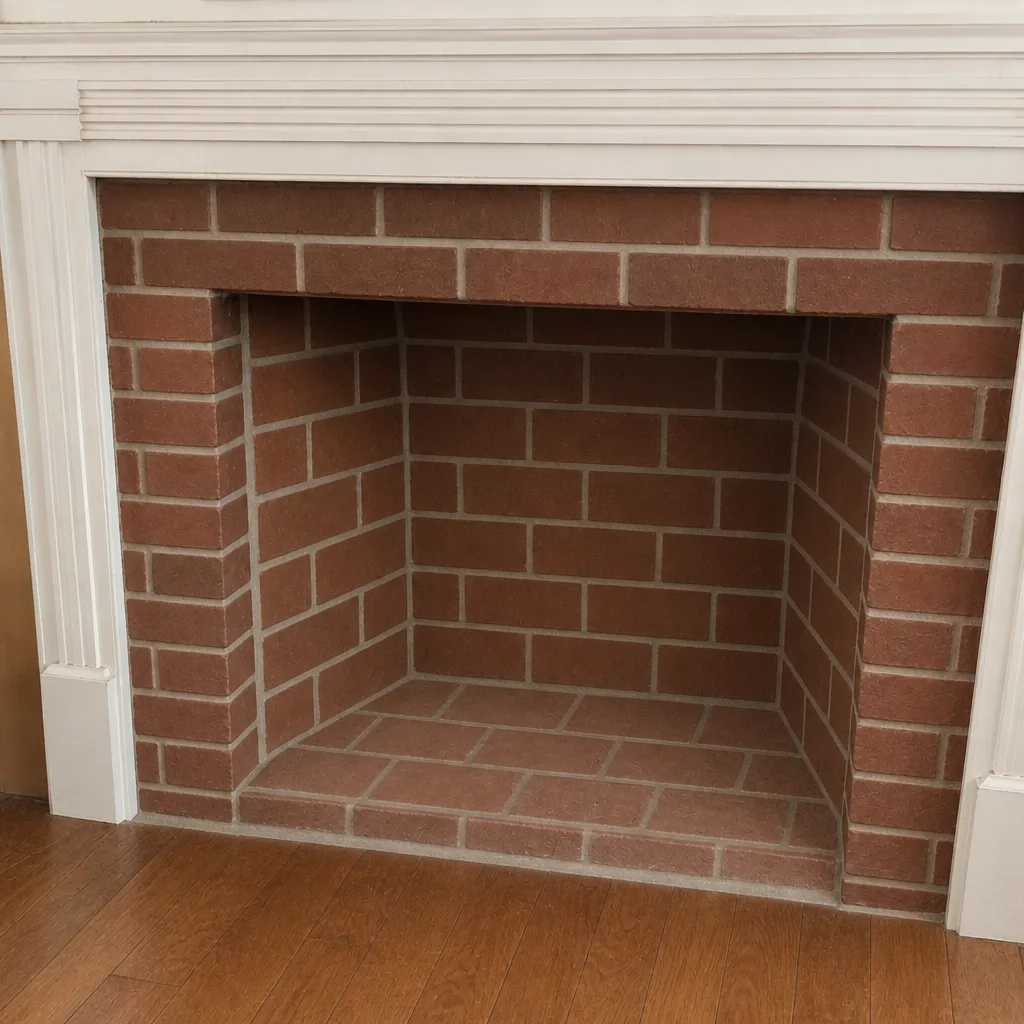
If your February inspection finds a problem in the firebox, that’s where our HeatShield capability matters. HeatShield restoration lets us repair a deteriorating firebox without full demolition, preserving the original fireplace structure and keeping the disruption to your living room minimal. Most sweep-only services can’t do that – they can only tell you the firebox is failing.
How Burn Frequency in Houston Shapes Creosote Stage and Cleaning Method
Creosote builds up in stages, and the stage determines how the chimney gets cleaned. That’s why the “once a year, same method” approach doesn’t fit The Heights. Your burn frequency here tells us a lot about what we’ll find.
Here’s how the two common patterns play out:
- Light burners (a handful of fires per season). These households often accumulate only a thin, dusty layer of first-stage creosote. A standard sweep handles it easily, and a full year between cleanings may be fine if the inspection shows no glazing.
- Regular burners (fires multiple times per week during the cool months). These homes build second-stage creosote – a harder, flakier deposit that requires more aggressive sweeping and sometimes a chemical treatment to loosen before the sweep.
- Heavy or inefficient burners (damp wood, restricted draft, prolonged low smoldering fires). These are the setups that produce third-stage glazed creosote, a hard, tar-like deposit that can’t be removed with a brush alone. Glazed creosote is a fire hazard because it can ignite inside the flue, and it usually requires a professional chemical process followed by a re-sweep.
The takeaway: in The Heights, how you burn matters as much as how often. Burning seasoned wood with a hot, open draft produces far less creosote than burning damp wood with the damper partly closed. Sweeping your chimney every season even though you burned only a dozen fires is unnecessary in most cases; skipping a sweep when you burned daily from November through February is a mistake that can put you at risk.
Month-by-Month Task Map for The Heights Homeowners
Here’s the whole year in one view, tuned to The Heights climate rather than a northern four-season model.
- January – final burn season month. Burn as you normally would. Watch for a flue that suddenly drafts poorly; it can be an early sign of creosote buildup or a blocked cap.
- February – post-season inspection. Schedule a chimney inspection while winter damage is fresh. Get a written report and any recommended repairs quoted.
- March and April – repair window. Complete any masonry, crown, cap, or liner repair found in February. Weather is mild and humidity hasn’t yet peaked, so sealants and mortar cure well.
- May – weatherproofing check. Confirm the cap and screen are secure. Replace a worn damper gasket before the humid months begin.
- June and July – humid season. Your chimney is mostly idle. This is when moisture does the most damage to unsealed masonry and when animals look for a dry nesting spot.
- August – off-season inspection. Assess what the humidity did. This is the most important month in the whole calendar to book an inspection.
- September and October – pre-burn preparation. Sweep, inspect, repair any remaining issues, and test the draft. You want everything done before the first cold evening arrives.
- November and December – burn season. Enjoy the fireplace. Keep an eye out for smoke backing up, a cap that looks loose, or odd smells from the firebox.
If you’re new to a home with a fireplace, or you’ve never had a proper inspection, we’d start with the fireplace repair assessment during the fall window. That’s the natural first step before the burn season opens.
What the Cycle Costs and How to Book It
Pricing for chimney work is per job by written estimate, so there’s no universal number we can quote for a The Heights home without knowing your chimney. But here’s what typically drives the estimate up or down:
- Sweep and inspection combined. A single visit that both cleans and documents the flue is usually cheaper than two separate appointment windows.
- Creosote stage. First-stage creosote sweeps faster. Third-stage glazed creosote requires a chemical process and a second pass, which increases labor.
- Cap and crown work. A new stainless cap from Olympia Chimney or Gelco is a modest addition to a sweep visit. Crown resealing depends on the size of the crack and the amount of prep the masonry needs.
- Liner work. DuraFlex liner systems are a bigger investment, but they’re the most common accessibility fix identified in home inspections. A damaged flue liner isn’t a luxury to postpone.
- Firebox restoration. HeatShield work is typically faster than a full rebuild and preserves the original firebox, which is why we use it whenever the assessment supports it.
Because Chimney Sweep The Heights handles the sweep, inspection, cap and crown, fireplace repair, and chimney repair as a single relationship, you’re not scheduling three vendors and waiting between appointments. The same technician who finds the problem can fix it. Call (877) 810-4894. We answer 24/7. Fast dispatch from 7am to 7pm, Sunday through Friday. Estimates are free.
Common Mistakes to Avoid
- Sweeping in January after the burn season starts. You’ve already used a dirty flue for the holidays. In The Heights, the sweep belongs in September or October, before the first fire, not after it. Sweeping in January means the next burn season starts dirty.
- Skipping the August inspection. In a humid Gulf Coast climate, most moisture intrusion and animal nesting happens during the off-season. If you don’t look in August, you won’t know what the summer did until it’s too late to fix before fall.
- Treating the crown as an afterthought. A cracked crown is the single most common source of water damage we find on The Heights chimney. It’s also one of the cheapest fixes. Not checking it in August is a mistake that costs you come winter.
- Assuming a sweep is the same as an inspection. A lot of homeowners book a sweep and think they’ve been inspected. A proper inspection is a written record; a sweep just removes creosote. In The Heights, you want both, documented.
- Burning damp or unseasoned wood. Green wood produces a lot more creosote and smolders more, which is exactly what drives third-stage buildup. Seasonal hardwood, stored dry, changes the cleaning picture entirely.
- Waiting until fall to address a winter finding. If February turns up masonry damage, fix it in spring. Waiting until October means the moisture has had all summer to worsen the crack and spread into the surrounding masonry.
See the difference
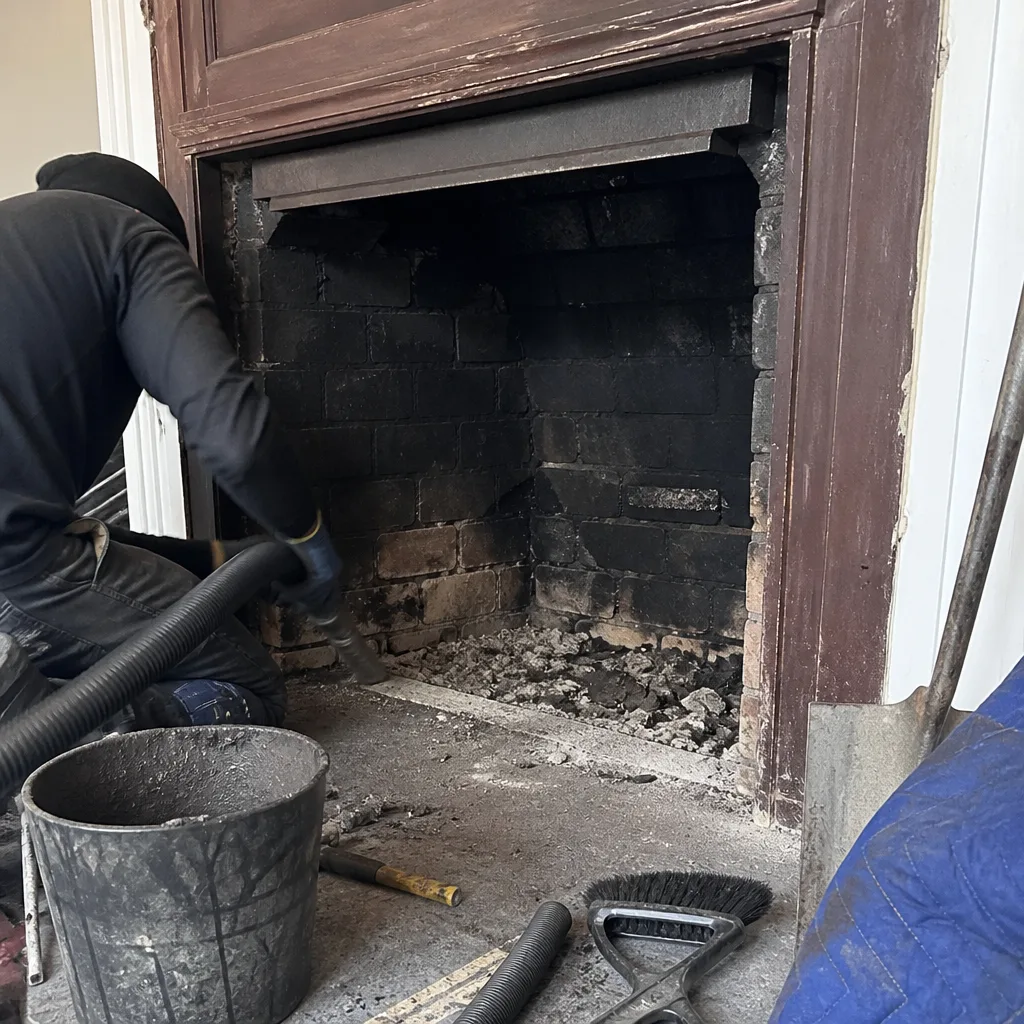 Before
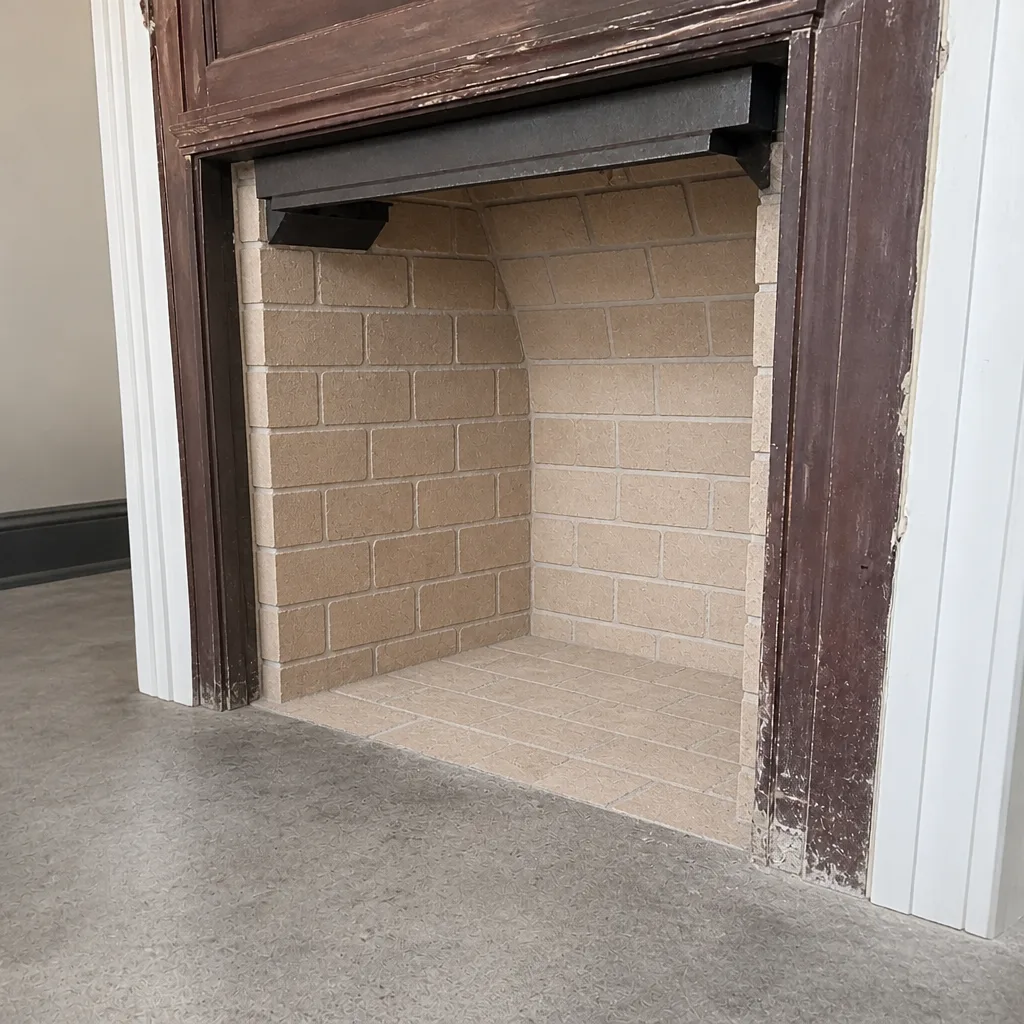 After
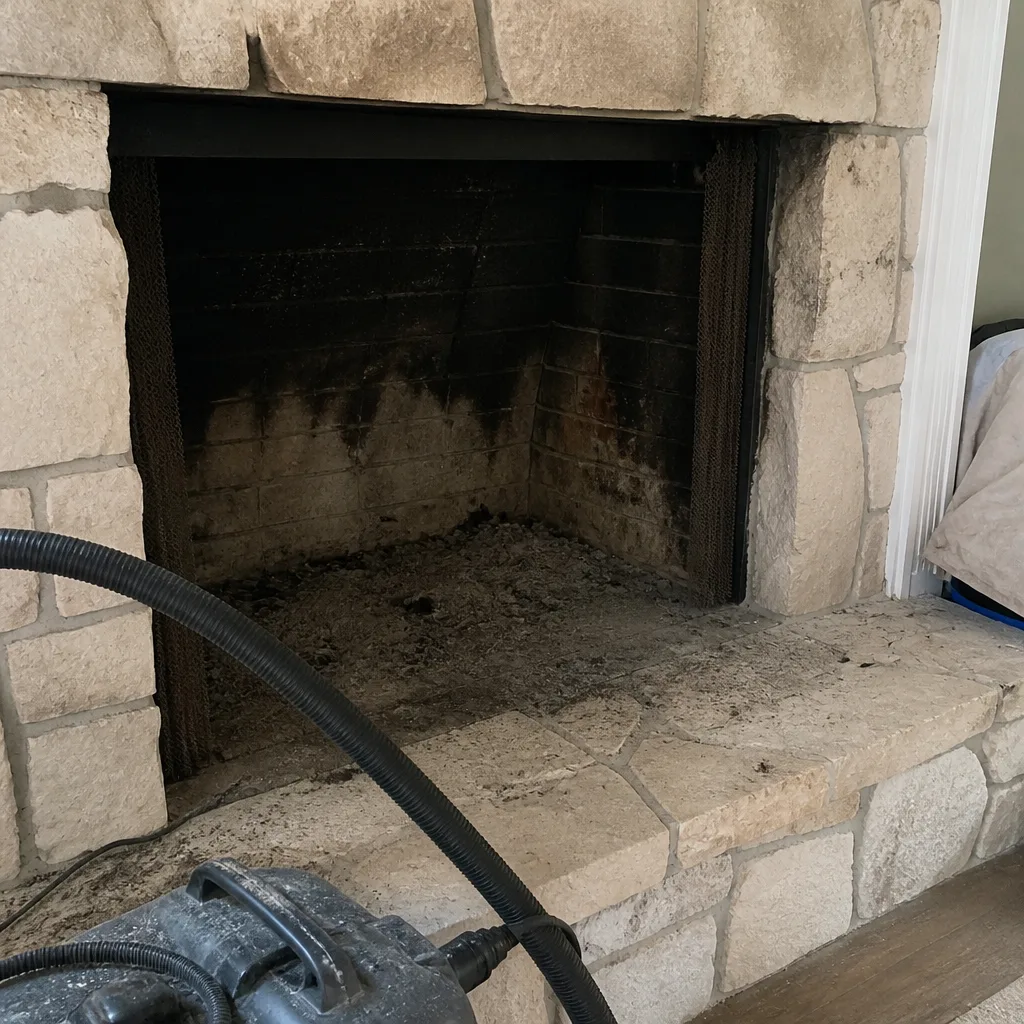 Before
 After
 Before
 After
When to Call a Professional
Some chimney care is scheduling and observation, and some of it needs a trained technician. Call a professional if you see cracked or crumbling mortar anywhere on the chimney exterior, a crown with visible cracks, or a chimney cap that’s missing, loose, or damaged. Call if you notice a strong smell from the firebox between seasons, a flue that smokes back into the room, or a liner that looks cracked or flaking in an inspection camera image. Also call if you’ve had any birds or squirrels inside the flue, or if your chimney hasn’t been inspected in more than a year. Chimney Sweep The Heights offers free estimates in The Heights – call (877) 810-4894. A documented inspection gives you a clean starting point regardless of how long the chimney has gone without a look.
Frequently Asked Questions
The best time is September or early October, before the first burn of the season. In The Heights, the burn season opens around late October or November, so sweeping in early fall gives you a clean flue for your highest-traffic nights and leaves time to repair anything the inspection finds. If you missed that window, a February post-season sweep also works, but you’ve already burned through the season. Call (877) 810-4894 for an exact quote – estimates are free.
For most The Heights households that use the fireplace regularly, yes – once per year is the working standard, and the most useful two windows are August and February. If you burn only a few times per season, an inspection can sometimes stretch to a longer interval when the previous one showed a clear flue and a sound crown. The important thing is having a documented baseline rather than guessing. Call (877) 810-4894 to schedule an inspection.
August is when the humid off-season has done the most work on your chimney. In The Heights, months of humidity with no fires dry things out only slowly, and that’s when masonry absorbs moisture, mortar softens, and animals move in looking for shelter. An August inspection shows what the summer did, and leaves you six to eight weeks to fix it before the burn season. Call (877) 810-4894 for a free estimate.
Humidity is harder on chimney caps than most homeowners expect. Stainless steel caps from Olympia Chimney and Gelco hold up much better than painted or galvanized options because they resist rust in a humid Gulf Coast environment. A cap that’s rusted or loose should be replaced before it starts letting water into the flue. Call (877) 810-4894 to schedule a cap inspection.
Burn frequency determines creosote stage, and creosote stage determines cleaning method. Light burners in The Heights often produce only first-stage creosote that a standard sweep removes easily. Regular burners tend to produce second-stage flaky creosote that requires more aggressive sweeping. Heavy burners with damp wood can produce glazed third-stage creosote, which needs a chemical process and a re-sweep because it can’t be removed by brush alone. Call (877) 810-4894 for an exact quote – estimates are free.
A liner problem is one of the most common findings in home inspections, and it’s worth fixing before the burn season starts. DuraFlex liner systems are what we use to reline aging or damaged flues – it’s a professional-grade material specified by certified chimney contractors. Without a sound liner, combustion gases and carbon monoxide can move into the house instead of up the flue. Call (877) 810-4894 to schedule a liner assessment – estimates are free.
The Bottom Line
The Heights doesn’t run on a four-season chimney calendar. It runs on three windows: an August off-season inspection before the humid months end, a September or October sweep and prep before your first fire, and a February post-season inspection before summer moisture gets a chance at your masonry. Burn frequency shapes creosote stage and the cleaning method that follows, and the cap, crown, and damper gasket are what carry your chimney through the off-season. Get those three components in order, keep the cycle going, and the chimney handles the rest.
To schedule a sweep, inspection, or repair in The Heights – or to get a free estimate – call (877) 810-4894. We answer 24/7. Fast dispatch from 7am to 7pm, Sunday through Friday.
Written by the team at Chimney Sweep The Heights.