
Last updated November 24, 2026
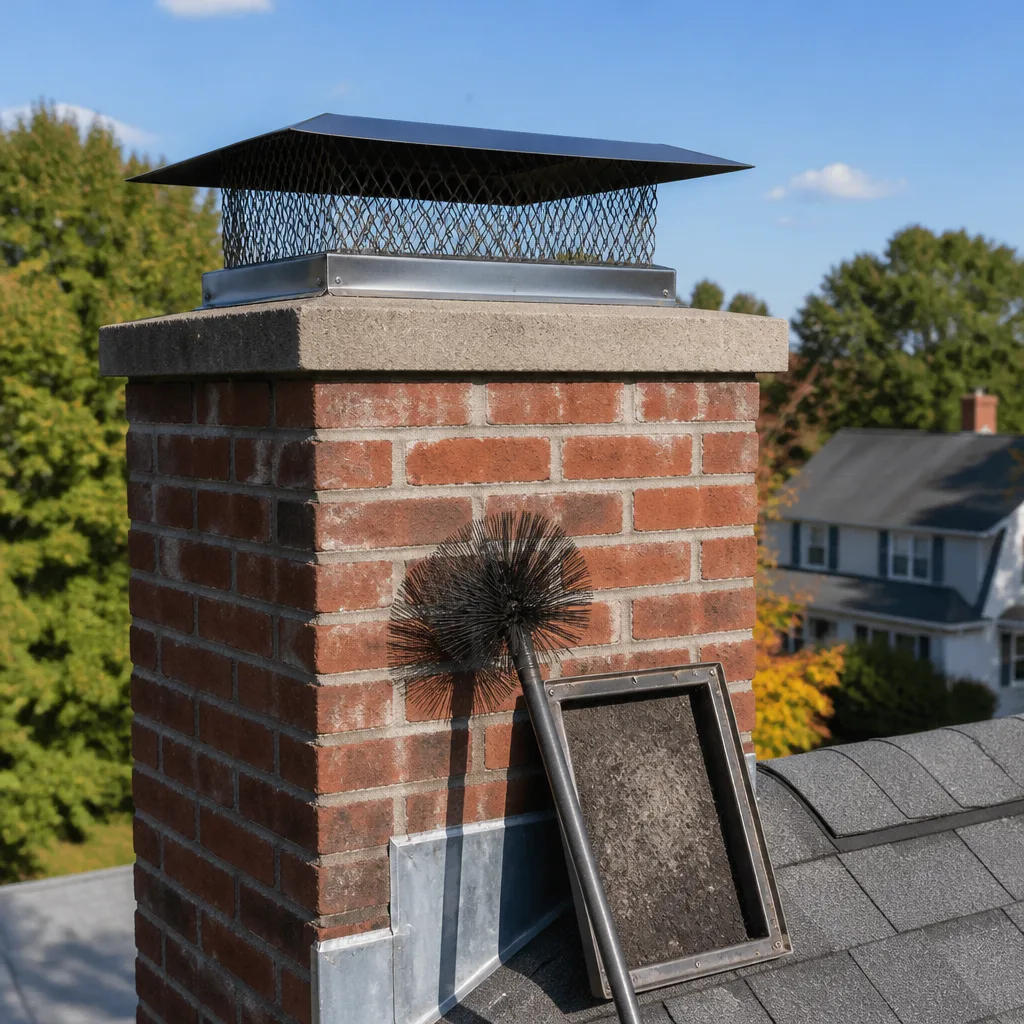 Sweep & inspection
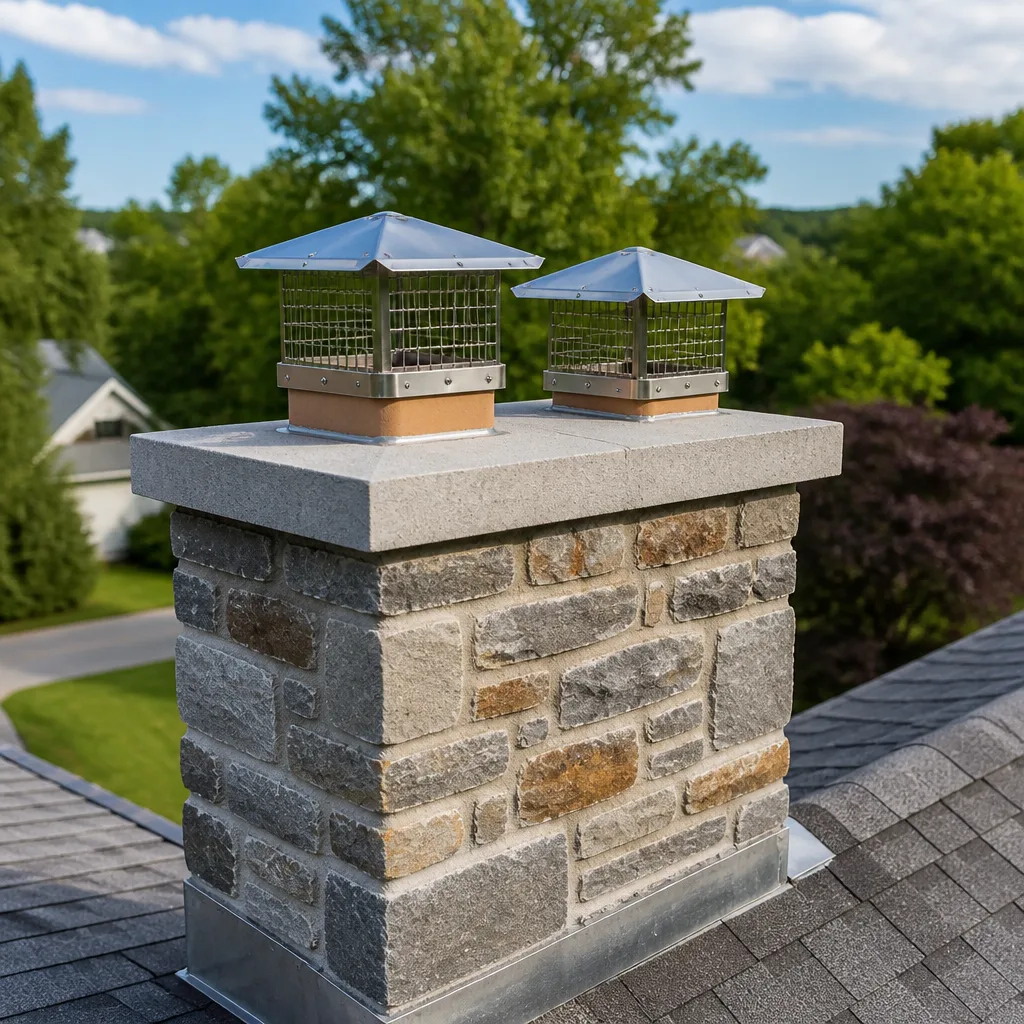 Caps & crowns
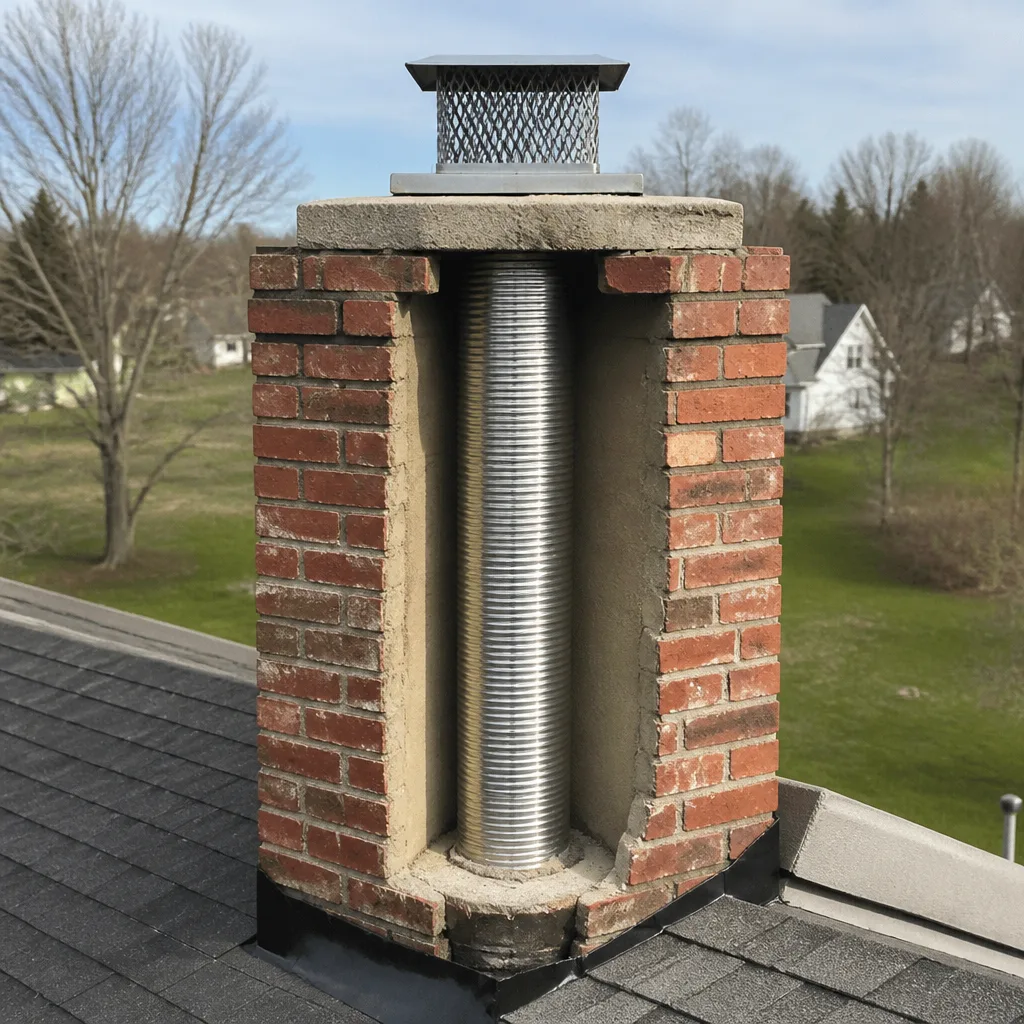 Flue relining
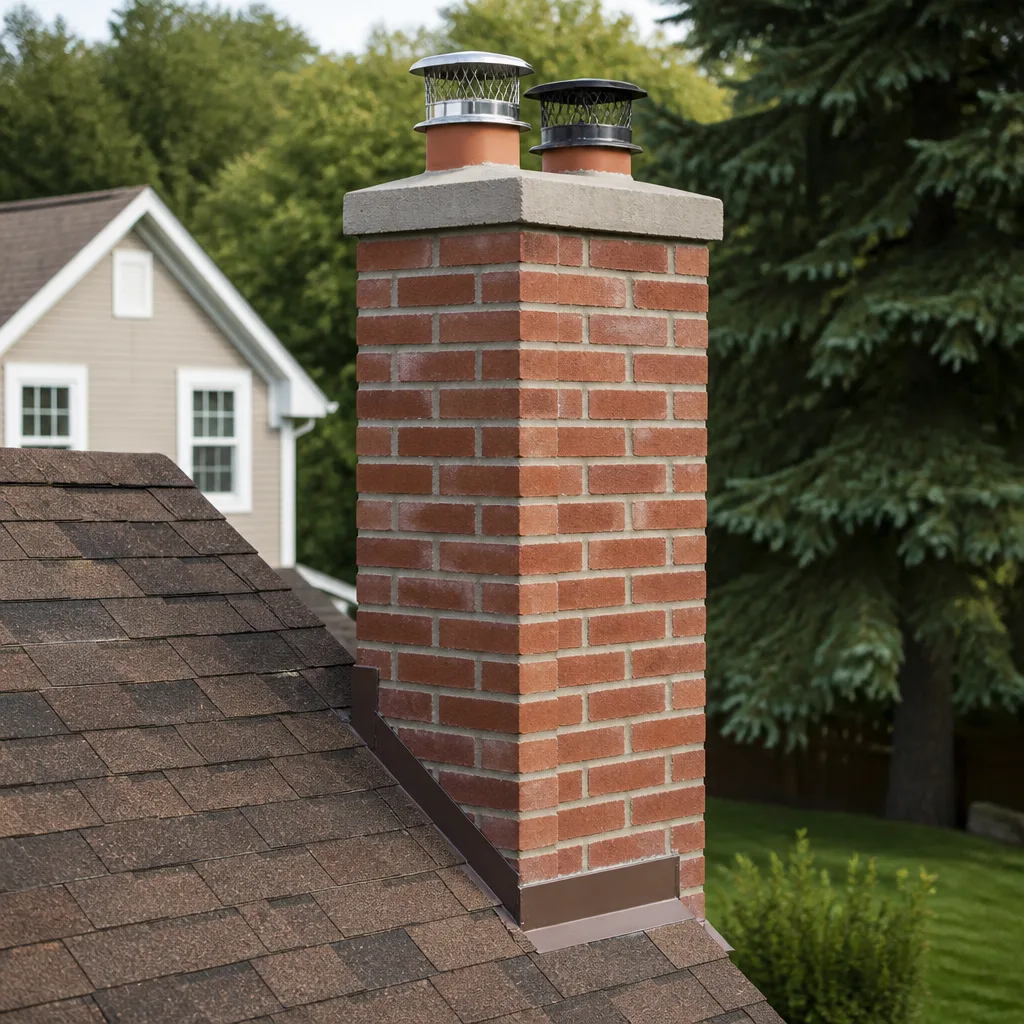 Masonry repair
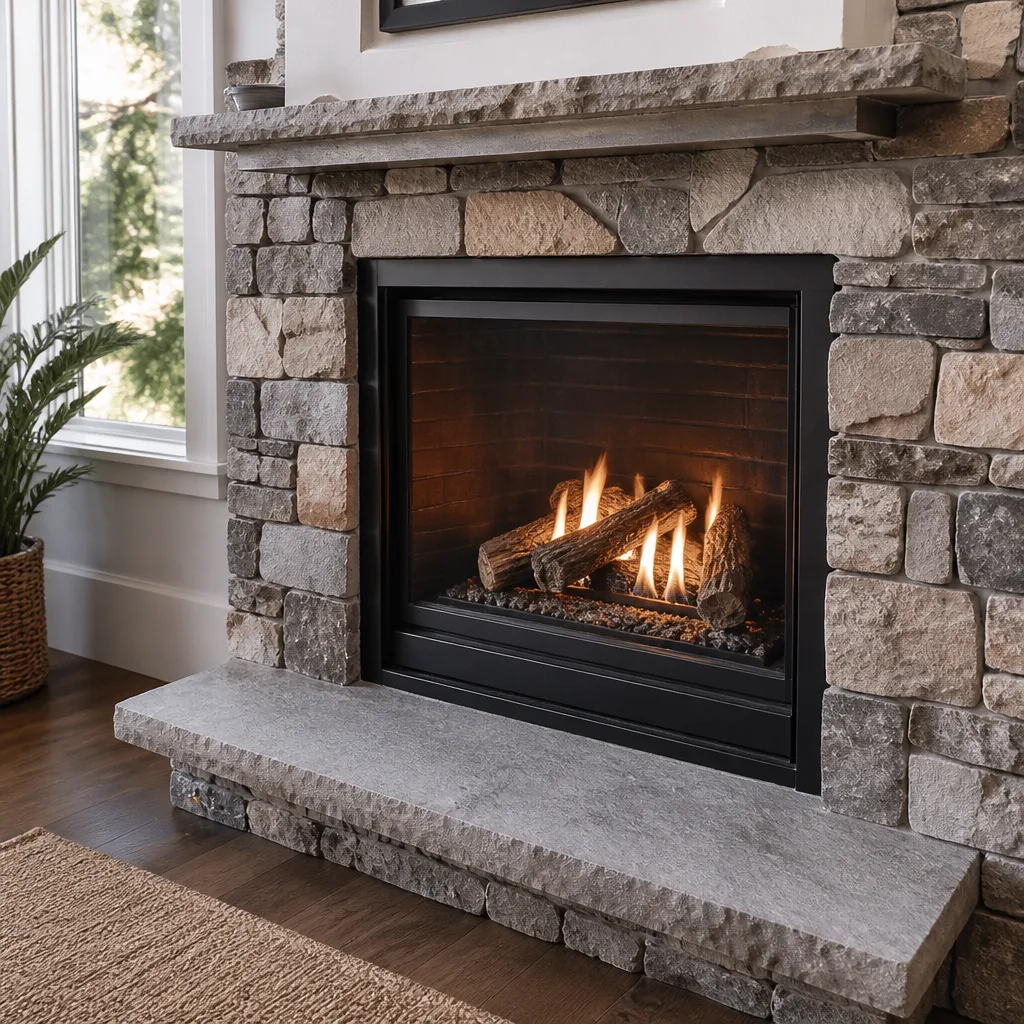 Gas fireplace service
Level 1 sweep and inspection to the NFPA 211 annual standard - flue, crown, cap, and flashing checked and photographed
Chimney sweep logs do not sweep chimneys. They loosen some creosote - which then falls where a brush and vacuum still have to collect it.
The Complete Guide to Chimney Cleaning in The Heights
Most chimney guides are written for cold-climate homes that burn wood four months a year. The Heights averages fewer than 20 real fireplace nights annually, which means creosote builds differently here, moisture damage accumulates faster, and the standard “annual sweep” timeline may be exactly wrong for your house. Houston’s humidity does more to a chimney between burns than the fire does during them. In this guide we’ll walk through what a cleaning actually involves in The Heights, from flue to firebox, including how to match the right inspection level to your situation, which cleaning methods fit low-use chimneys, and what your cleaning report needs to document so a future contractor can read it without guessing.
Quick Answer
Chimney cleaning in The Heights means more than brushing out soot: it’s a flue-to-firebox inspection and cleaning that accounts for humidity-driven mortar and liner wear between a short burn season. A professional sweep with a camera inspection typically takes 60 to 90 minutes, and many homes here only need cleaning every other year rather than annually. The written inspection report matters as much as the sweep itself, since it documents the condition of your flue and firebox for insurance and future repairs.
Styles & brands we work with
- Sweep & inspection
- Caps & crowns
- Flue relining
- Masonry repair
- Gas fireplace service
Table of Contents
- Why Chimney Cleaning in The Heights Is Different
- Level 1, 2, and 3 Inspections: Which Do You Need?
- How Creosote Builds Differently in Low-Use Chimneys
- What Happens During a Professional Sweep
- Cleaning Methods for Glazed Creosote
- What Your Cleaning Report Should Document
- How Often Should You Actually Schedule a Cleaning?
- What Chimney Cleaning Costs in The Heights
Why Chimney Cleaning in The Heights Is Different
Houston’s humidity is the single biggest factor in how chimneys age here. Cold-climate guides assume a hard freeze winter that stresses masonry with freeze-thaw cycles. That’s not our climate. What we have instead is warm, moist air pushing against mortar joints, crowns, and liner walls for most of the year, with only a short window of actual burning.
What that means in practice:
- Mortar joints soften slowly. Months of humid air erode the mortar between bricks more than a single cold snap would, especially on chimneys that face south or west.
- Liner corrosion runs faster. Clay tile and metal liners exposed to moisture plus combustion byproducts break down sooner than the same liners installed in a dry climate.
- Crowns and caps work harder. The masonry crown at the top of your chimney takes the wettest air head-on. A hairline crack that would stay harmless in Phoenix lets water in here.
- Creosote sits longer between burns. Deposits stay on the flue wall for months between the occasional fire, giving moisture time to combine with soot and glazed deposits.
In The Heights specifically, the pre-war housing stock and tall mature trees add two more factors. Older homes often have original brick chimneys with modest flue sizes, and heavy tree cover can keep the chimney top damp for longer after rain. A sweep that only looks down the chimney from the roof will miss this. A proper inspection runs a camera up the flue and looks at the firebox from inside, so the diagnosis captures the moisture story, not just the soot count.
Because The Heights sits inside Beltway 8 with a dense canopy and a residential market where homes change hands regularly, the inspection report we produce has to hold up when a buyer’s inspector or an insurance adjuster reads it cold. That’s why we treat documentation as part of the cleaning, not an afterthought.
Level 1, 2, and 3 Inspections: Which Do You Need?
The CSIA (Chimney Safety Institute of America) inspection framework defines three levels, and matching the right level to your situation is the most important decision before any sweep begins. A Level 1 inspection is a visual look at accessible parts of the system with basic tools. A Level 2 adds a video camera run up the flue. A Level 3 opens concealed parts of the chimney when the first two levels find a problem the camera can’t resolve.
Level 1 Inspection
Applies when your chimney has been in continuous service, you’ve had no changes to the system, and you’re maintaining the same fuel and appliance. It’s the routine inspection that accompanies an annual or every-other-year sweep. On a The Heights chimney with no history of changes, this is often the right starting point.
Level 2 Inspection
Required any time the system has changed: a new appliance, a conversion from wood to a gas insert, a liner replacement, or a property sale. It’s also the level you want after a major storm season. Houston’s spring thunderstorms and summer squalls push wind-driven rain and driven debris at chimneys, and the resulting cracks, displaced tiles, or cap damage won’t show in a Level 1. A camera inspection catches them.
Level 3 Inspection
Reserved for cases where a Level 1 and Level 2 have identified a problem that requires opening part of the chimney to diagnose or repair: removing a section of masonry, opening a wall, or dismantling part of the crown. We schedule Level 3 only after the camera evidence supports it, never on speculation.
For most The Heights homeowners, the practical answer is a Level 2 every few years and a Level 1 in between. After a named storm or a suspicious leak around the chimney, a Level 2 is the honest baseline. Our chimney sweep service includes Level 2 camera inspection whenever the conditions call for it, and nothing is recommended without the footage to back it up.
How Creosote Builds Differently in Low-Use Chimneys
Creosote forms in three stages, and the low-use profile of The Heights chimneys produces a slightly different pattern than what heavy-burn households see. Stage 1 is a flaky soot-and-ash crust that brushes away easily. Stage 2 is a denser, tar-like deposit that requires more aggressive brushing or chemical treatment. Stage 3 is glazed creosote: hard, shiny, and stubborn, the kind that ignites in a chimney fire if it builds up enough.
Heavy-use cold-climate homes tend to hit Stage 2 within a season or two. The Heights profile is different in two ways:
- Slower accumulation, longer standing time. Fewer fires means creosote builds slowly, but each deposit sits longer against a humid flue wall, so it absorbs moisture and hardens between burns. The result is a thinner but denser layer of Stage 1 and early Stage 2 deposits than you’d expect for the number of fires.
- Moisture changes the texture. Deposits exposed to humid air between burns behave more like a waxy, gluey film than a dry flake. A quick brush pass can polish it rather than remove it.
That affects which tool we reach for. A dry-wood chimney in a cold climate often takes a standard rotary brush pass. A humidized low-use chimney here may need either a more aggressive rotary brush or, when deposits have glazed, a chemical treatment such as Anti-Creo-Soot to soften the Stage 3 layer before brushing. Skipping this step leaves glazed creosote on the flue wall, and that’s the deposit that actually reaches chimney-fire temperatures.
This is also why a proper Chimney Sweep The Heights visit typically ends with an in-flue camera check: what the brush removed and what it left behind are two different answers, and the camera is how we prove which one we’re looking at.
What Happens During a Professional Sweep
A proper sweep is a defined sequence, not a quick brush-and-go. Here’s how a typical The Heights cleaning goes, whether the chimney serves a wood fireplace or a gas insert.
- Protect the room. Drop cloths and a sealed vacuum setup over the firebox so nothing enters the living space.
- Pre-inspection. Visual check of the firebox, damper, smoke chamber, and cap before any cleaning begins, so we know the baseline condition.
- Sweep the flue. Rotary brush rods from the roof or from the firebox, depending on the flue configuration. The brush type depends on the deposit stage found in the pre-inspection.
- Clean the firebox and smoke chamber. Brushing the firebox walls and the smoke shelf, then vacuuming out all loose material. If the firebox masonry shows deterioration, we examine it for HeatShield restoration suitability at this stage rather than a separate visit.
- Camera inspection. Run the camera up the flue to check liner integrity, joint offsets, and crown condition.
- Report and recommendation. Written findings, photos, and a clear note on what, if anything, needs repair before the next burn season.
We bring the whole chain in-house because a sweep-only service can clean a flue but can’t tell you what to do about a cracked liner or a failing firebox. After a sweep, if we find a damaged flue, we can reline with DuraFlex, restore a firebox with HeatShield, or replace a cap or crown in the same relationship. Parts come from professional suppliers like Gelco, Olympia Chimney, Famco, and Copperfield, so the materials match what a certified contractor would install.
The full flow also shows why trust matters on a chimney cleaning in The Heights. The homeowner’s biggest hesitation is being told the liner or firebox needs thousands of dollars of work they can’t verify. Our answer is simple: the camera records it, you see the recording, and no work is recommended that the footage doesn’t show.
Cleaning Methods for Glazed Creosote
Glazed creosote (Stage 3) is different enough to deserve its own section. It’s hard, shiny, and adhered to the flue wall. Standard brushing polishes it; it doesn’t remove it. When a camera inspection finds glazing, we choose between two approaches.
Mechanical removal
Aggressive rotary brush systems with the right bristle density for the flue material, sometimes combined with a scraper head. Works well for lighter glazing and hard clay-tile flues. It’s fast, and the flue stays in service the same day.
Chemical treatment
Anti-Creo-Soot and similar products soften glazed deposits so a subsequent brush pass actually removes them. Takes longer, but it’s often the only honest way to clear heavy glazing without damaging the liner. We schedule it as a two-stage visit when the camera shows the flue needs it.
The wrong move is treating every chimney the same. A rotary brush on a light soot load is fine. A rotary brush on glazed creosote is a wasted visit. Matching the tool to the deposit is what distinguishes a real cleaning from a cosmetic one. The safest option for any glazed liner, particularly one already showing cracks or spalling, is a professional evaluation rather than a homeowner attempt. Creosote ignition risk and carbon monoxide exposure from a compromised flue are not things to test with a brush from the hardware store.
What Your Cleaning Report Should Document
The report is the deliverable that outlives the sweep. When a future contractor, insurer, home inspector, or buyer’s agent reads it, the report should tell them everything they need without a call. Here’s what we document, and what any cleaning in The Heights should include.
- Date of service and inspection level performed. A Level 1 vs. Level 2 record matters when someone asks whether a camera was used.
- Pre-clean condition, post-clean condition. Both, in writing, so the change is documented.
- Photographic evidence. Flue interior shots, cap and crown shots, and firebox condition. Photos settle arguments faster than descriptions.
- Deposit assessment. Stage 1, 2, or 3, with a note on where the deposit is heaviest.
- Liner integrity notes. Cracks, joint displacement, misalignment, corrosion.
- Cap and crown condition. Missing, cracked, or improperly sealed, with how urgently it needs attention.
- Recommendations with priority. What needs doing now, what can wait, and what to watch.
That documentation is why we don’t treat the sweep as a standalone service. The report supports insurance claims, real-estate transactions, and future maintenance decisions. If a chimney cap & crown repair is needed, the report is what tells the next contractor exactly what’s there before they arrive.
How Often Should You Actually Schedule a Cleaning?
The general rule heard around the country is an annual sweep. That rule was designed for cold-climate homes that burn most nights for four months. In The Heights, the honest answer depends on your burn pattern:
- Heavy use (weekly fires through the cool season): annual sweep with a Level 1 or 2 inspection.
- Moderate use (a handful of fires a month through winter): every 18 to 24 months, with a camera inspection at each visit.
- Light use (fewer than 10 fires a year): every two to three years, and the inspection matters more than the sweep itself because the deposit pattern is the surprise.
- Gas insert: annual inspection, sweep only as needed. Gas inserts don’t build creosote the same way, but they still accumulate debris and need the venting checked.
The one thing you shouldn’t do is assume the calendar protects you. Because our burn season is short, a two-year cycle with a good inspection at each visit does more for your chimney than an annual sweep followed by months of humid stillness. If your home has had a change in appliances, a property sale, or a storm-damaged cap, the schedule restarts with a Level 2 inspection.
When we complete a sweep, we tell you honestly whether the next visit can wait. If the flue is sound and the deposit is Stage 1 light, we say so. That’s the difference between a maintenance schedule and a revenue schedule.
What Chimney Cleaning Costs in The Heights
Chimney cleaning in The Heights typically falls into a predictable range depending on use, flue configuration, and whether glazed deposits are present. The table below reflects what we see for common jobs. Every quote is confirmed in writing before work begins, and the written estimate sets the final price.
- Standard sweep with Level 1 inspection: $185 to $320 for a typical single-flue wood fireplace.
- Sweep with Level 2 camera inspection: $280 to $450, which covers the camera work and photo documentation.
- Glazed creosote treatment (Anti-Creo-Soot or chemical softening plus sweep): $350 to $600, scheduled as a two-stage visit when the camera requires it.
- Multi-flue or complex chimney sweep: $400 to $700, quoted per flue.
- Post-storm inspection with cleaning: $300 to $500, since the camera check takes longer after debris or water intrusion.
Above those cleaning ranges sit the repairs that a cleaning report may recommend. A liner reline with DuraFlex or a HeatShield firebox restoration is a separate project with its own estimate, so we flag it in the report and quote it in writing before anything proceeds. A fireplace repair for a damaged firebox or damper is priced the same way: report first, photo evidence, then written estimate.
If you’ve heard a different number from a neighbor, that’s normal: flue count, height, access, and deposit stage all move the range. Call (877) 810-4894 for an exact quote. Estimates are free.
Common Mistakes to Avoid
- Assuming the annual sweep rule applies here. Cold-climate guides don’t fit a short burn season. Match your schedule to your actual use and let the inspection set the date.
- Skipping the camera inspection. A visual look from the roof can’t see a cracked liner joint deep in the flue. Level 2 inspection is what turns a routine cleaning into a defensible record.
- Treating glazed creosote with a standard brush. Stage 3 deposits need chemical softening or aggressive rotary equipment. A quick brush pass leaves the glazing behind and gives the flue-fire risk nothing to argue with.
- Ignoring the crown and cap. A hairline crown crack lets Houston’s humidity in, and the damage compounds between burns. Inspect both at every visit.
- Not keeping the cleaning report. When you sell the home or file an insurance claim, the photographic record of the flue at last service is often the only documentation you have.
- Booking a sweep-only service. If the sweep crew can’t diagnose a liner or firebox issue in the same visit, the homeowner ends up calling a second contractor who has to start over from a fresh inspection.
- Attempting glazed creosote removal with a homeowner brush. The deposit that reaches Stage 3 has real fire risk and often sits on a liner already compromised. This is a trained-professional job, not a weekend project.
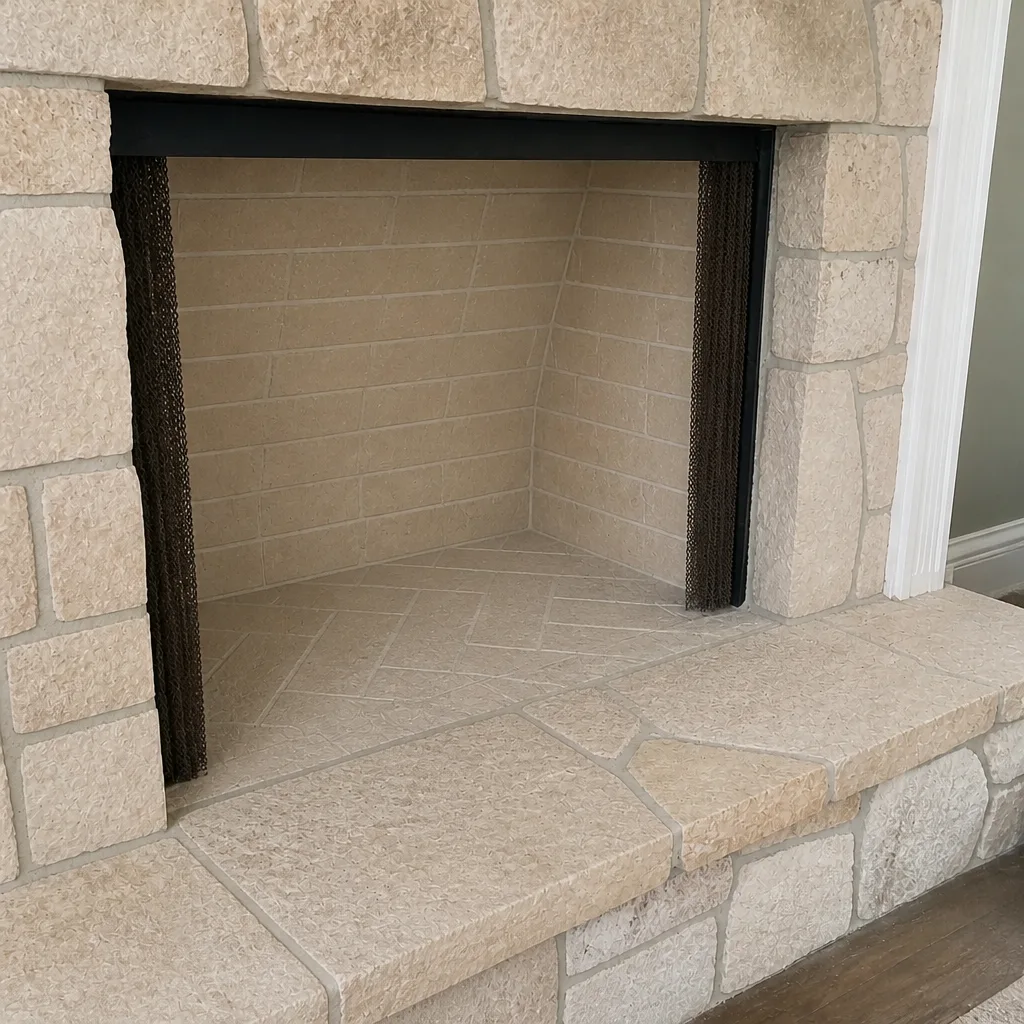
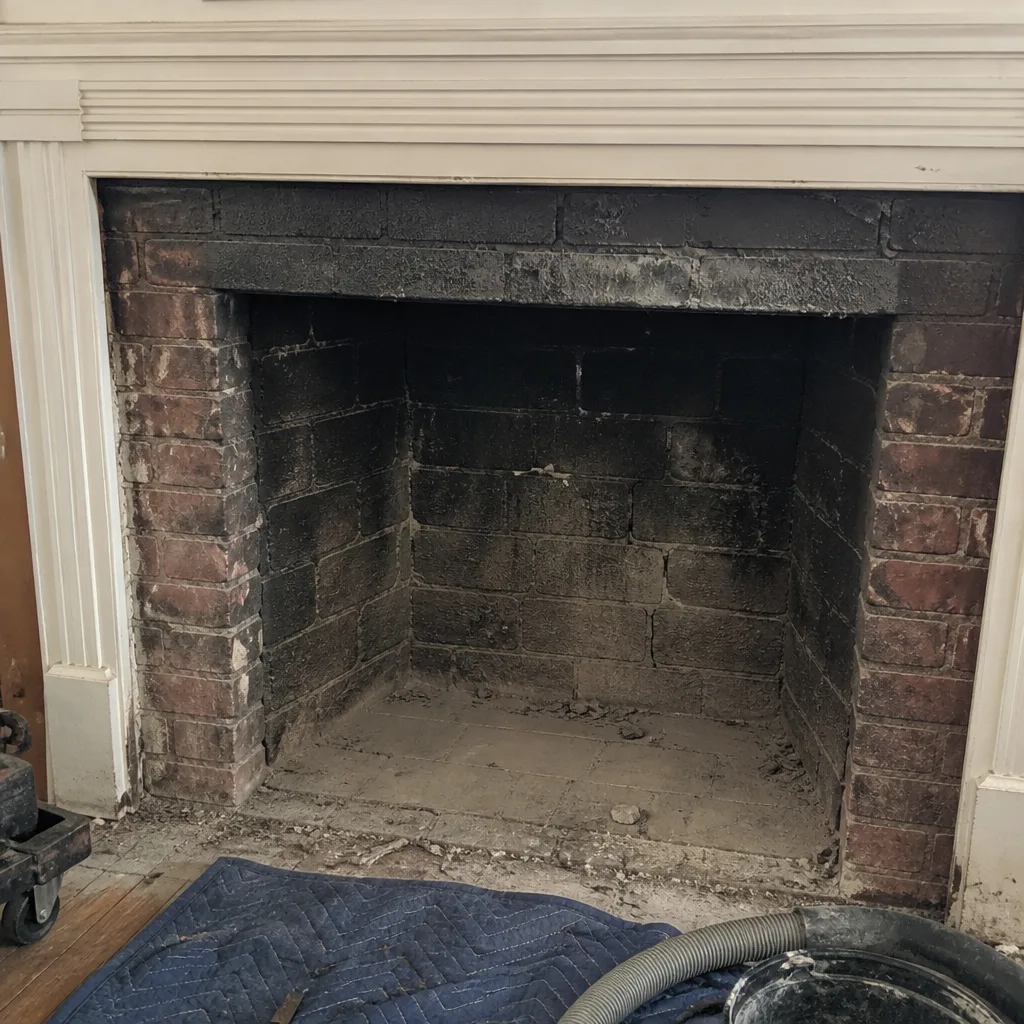
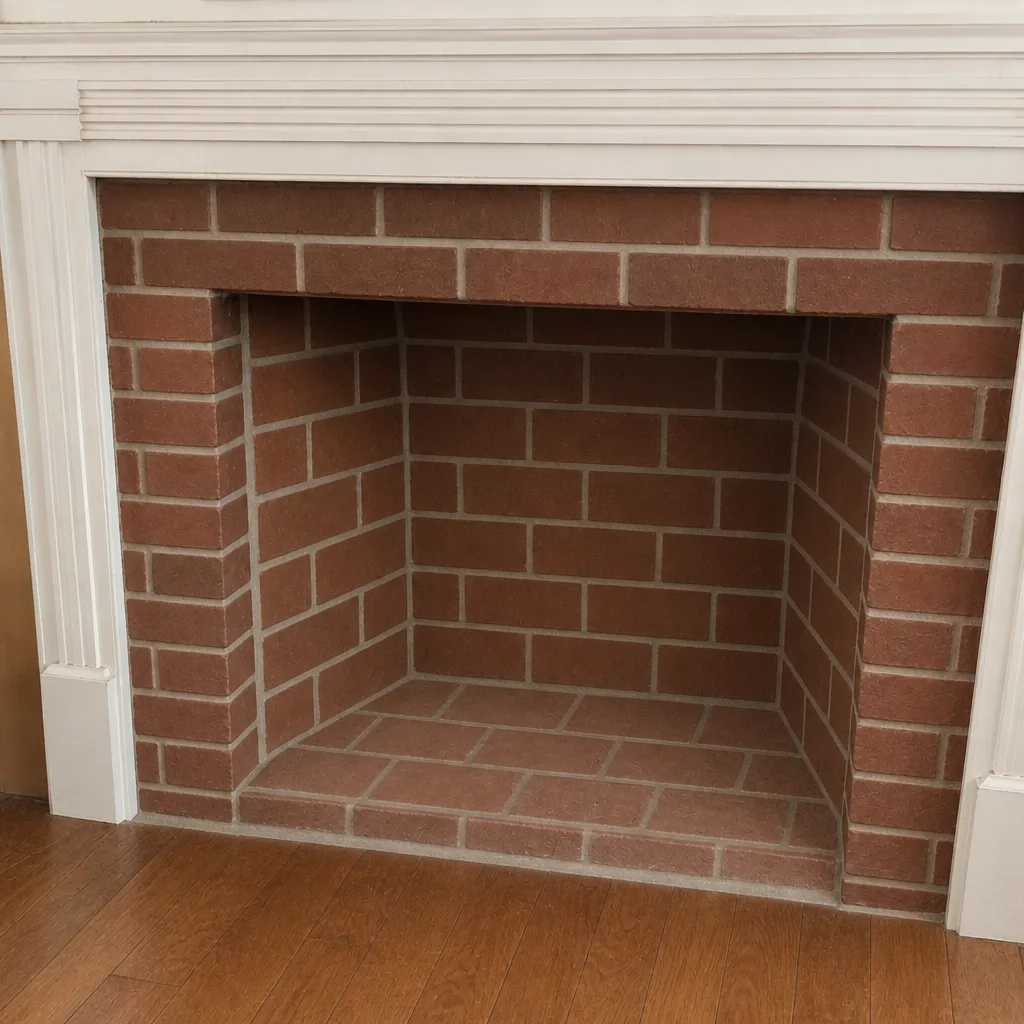
See the difference
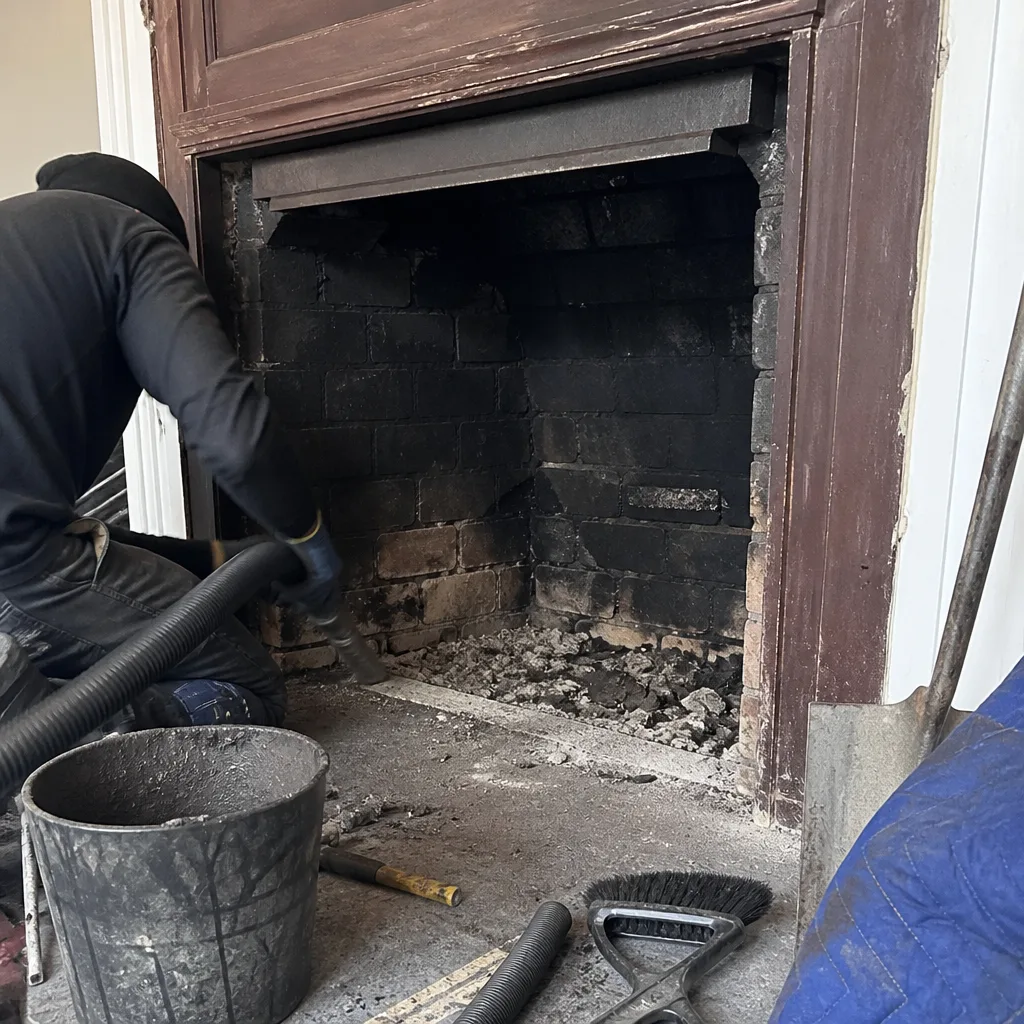 Before
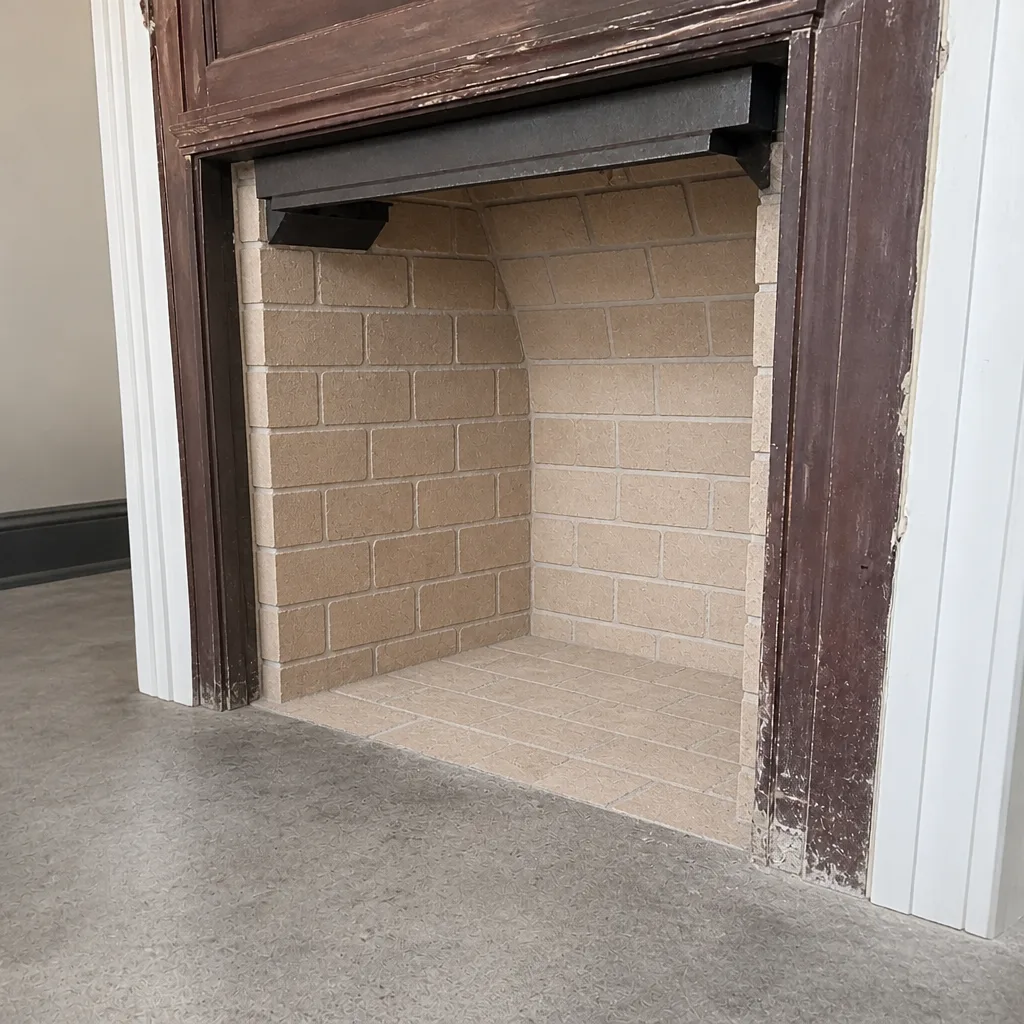 After
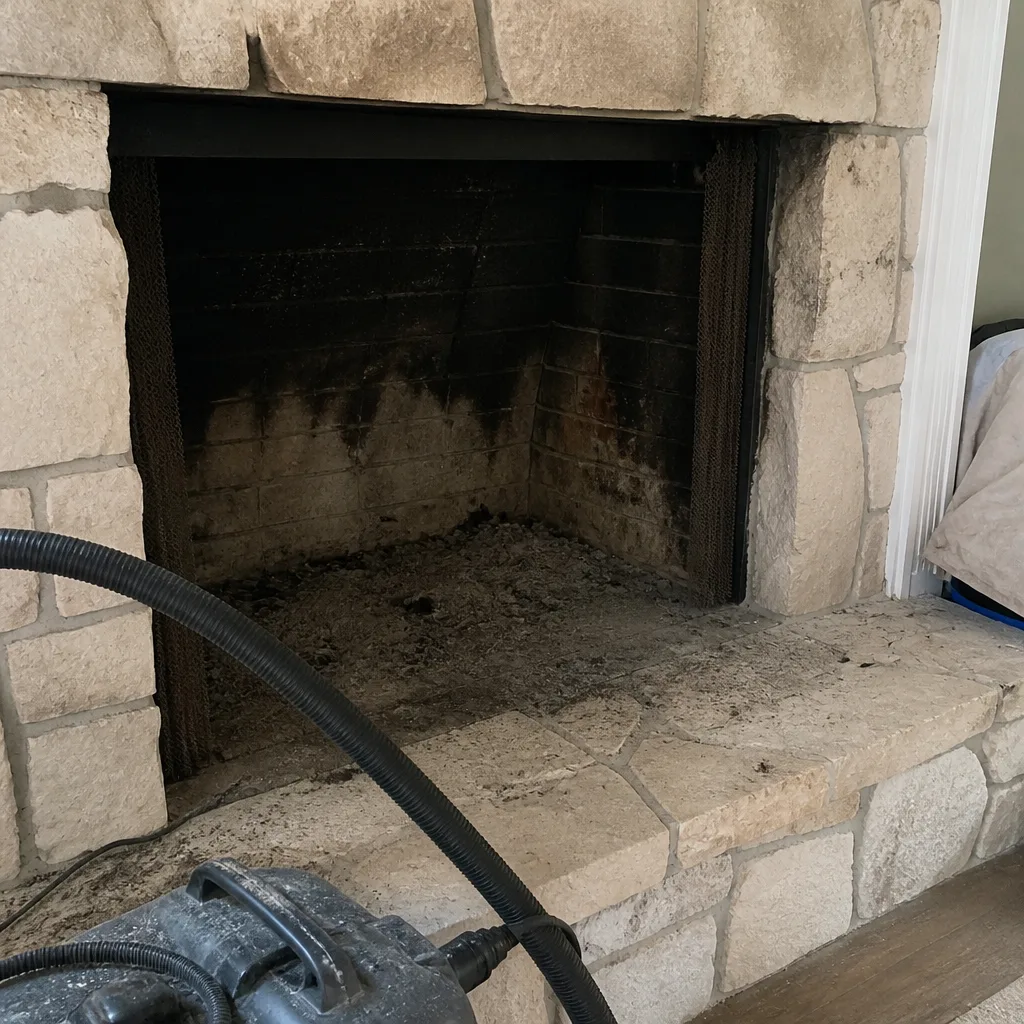 Before
 After
 Before
 After
When to Call a Professional
Call a professional when you’re seeing the signs that a flue needs attention faster than your normal schedule. Strong smoke roll-back into the room, a fire that struggles to draft, a persistent smell from the firebox in warm months, water stains around the chimney, a flaking or spalling cap, or a chimney that hasn’t been inspected since a storm are all reasons for a Level 2 inspection. If you’ve converted from wood to a gas insert or purchased a home with a chimney whose history you don’t know, schedule a camera inspection before the first burn. Chimney Sweep The Heights offers free estimates in The Heights. Call (877) 810-4894. We answer 24/7. Fast dispatch from 7am to 7pm, Sunday through Friday.
Frequently Asked Questions
A standard sweep with a Level 1 inspection typically runs $185 to $320, while a sweep with a Level 2 camera inspection runs $280 to $450. Glazed creosote treatment pushes higher, into the $350 to $600 range, because it usually takes two visits. The written estimate sets the final price. Call (877) 810-4894 for an exact quote. Estimates are free.
Only if the camera inspection shows real damage: cracked tiles, joint displacement, corrosion, or a flue that can no longer safely contain combustion gases. On a low-use chimney with a sound liner, we say so. Our inspection report includes the photos, so you can see the same evidence we saw. Nothing gets recommended without it. If a liner is needed, a DuraFlex installation replaces the damaged flue lining without opening the masonry.
Most The Heights homes need a sweep every 18 to 24 months, not annually, because the burn season is short. Heavy users who light fires weekly through the cool months should stay on an annual schedule. Light users may stretch to two to three years, with a camera inspection at each visit. Call (877) 810-4894 to schedule one and get the right answer for your chimney.
Soot and creosote accumulate slowly on the flue wall, and Houston’s humidity hardens the deposits between burns. Stage 3 glazed creosote is the main chimney-fire risk, and a compromised liner can allow carbon monoxide into the home. Skipping a cleaning also means skipping the inspection, which is how small issues like a cracked crown become major repairs. Call (877) 810-4894 to book a sweep and inspection.
Level 2 with a camera is the right choice after any named storm or after damage is suspected. A camera can see cracks, displaced tiles, debris intrusion, and water damage a visual-from-the-roof inspection misses. If a Level 2 uncovers something that requires opening the masonry, we schedule a Level 3 with a written scope. Call (877) 810-4894 to schedule a Level 2.
Yes. Our services cover sweeping, inspection, cap and crown work, fireplace repair, and chimney repair, so the same company that identifies the problem can quote and complete the fix. Firebox restoration with HeatShield, cap or crown replacement, and DuraFlex relining all sit inside our scope. No finger-pointing between a sweep vendor and a separate repair contractor. Call (877) 810-4894 to discuss what your inspection found.
The Bottom Line
Chimney cleaning in The Heights isn’t a transplant from a cold-climate playbook. Fewer burn nights plus year-round humidity produce a different creosote profile and a faster timeline for mortar and liner wear. Match your cleaning to actual use, insist on a camera inspection at a Level 2 whenever the system has changed or a storm has passed, and keep the cleaning report, because it’s the record that supports repairs, claims, and a future sale. HeatShield restoration and DuraFlex relining round out what a single contractor can handle when the report calls for more than a sweep. If your firebox or cap needs attention first, that’s fireplace repair or cap and crown work, and both belong to the same service relationship.
Call (877) 810-4894 for a free estimate. We answer 24/7. Fast dispatch from 7am to 7pm, Sunday through Friday. Whether you’re due for a routine sweep or want a Level 2 inspection after a storm season, we’ll give you the straight answer with the photos to back it up.
Written by the team at Chimney Sweep The Heights.