
Last updated November 24, 2026
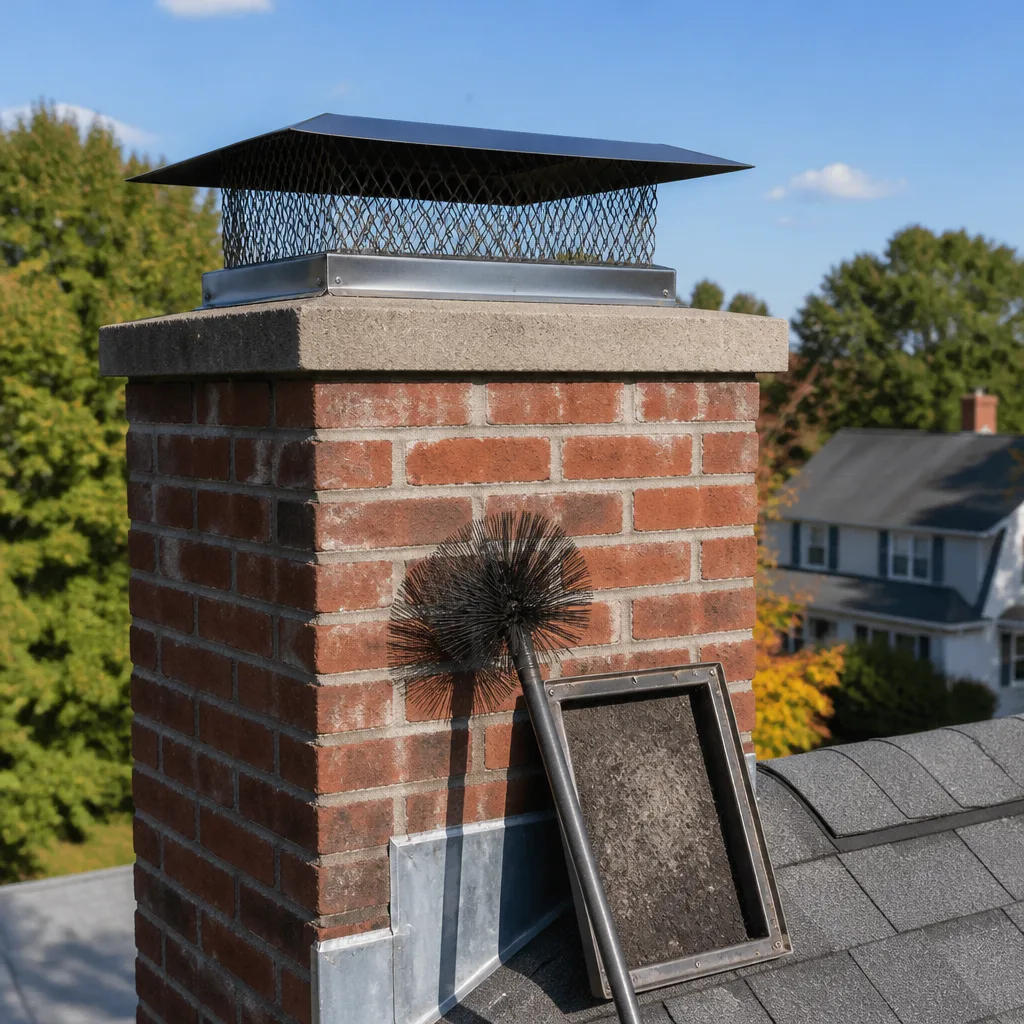 Sweep & inspection
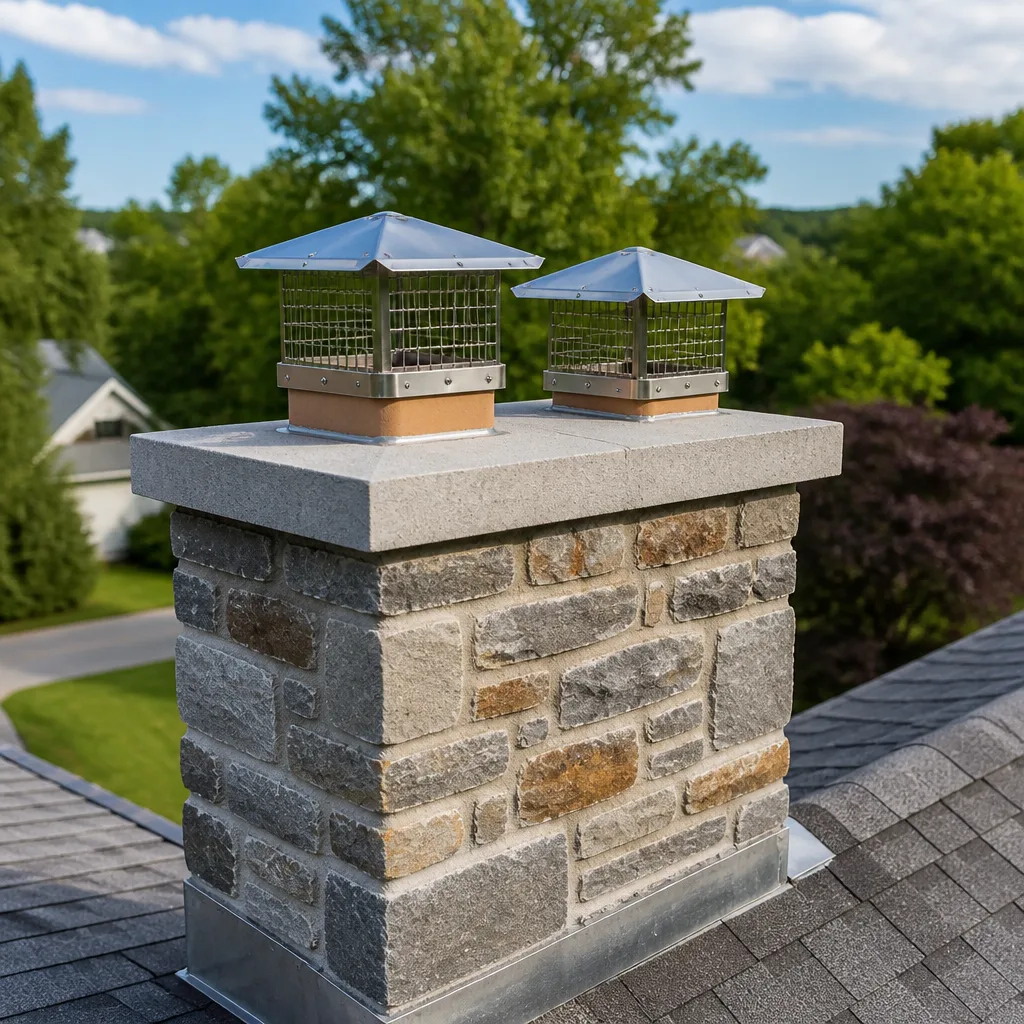 Caps & crowns
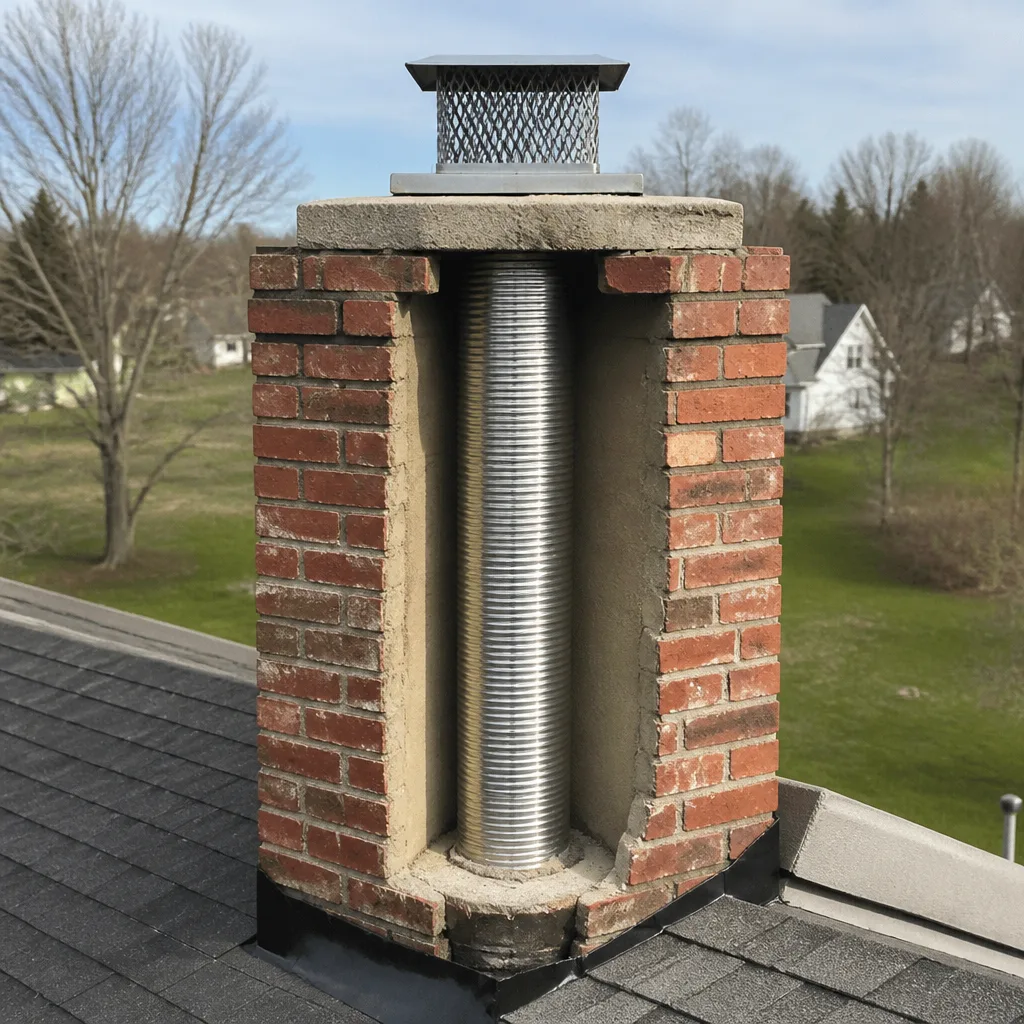 Flue relining
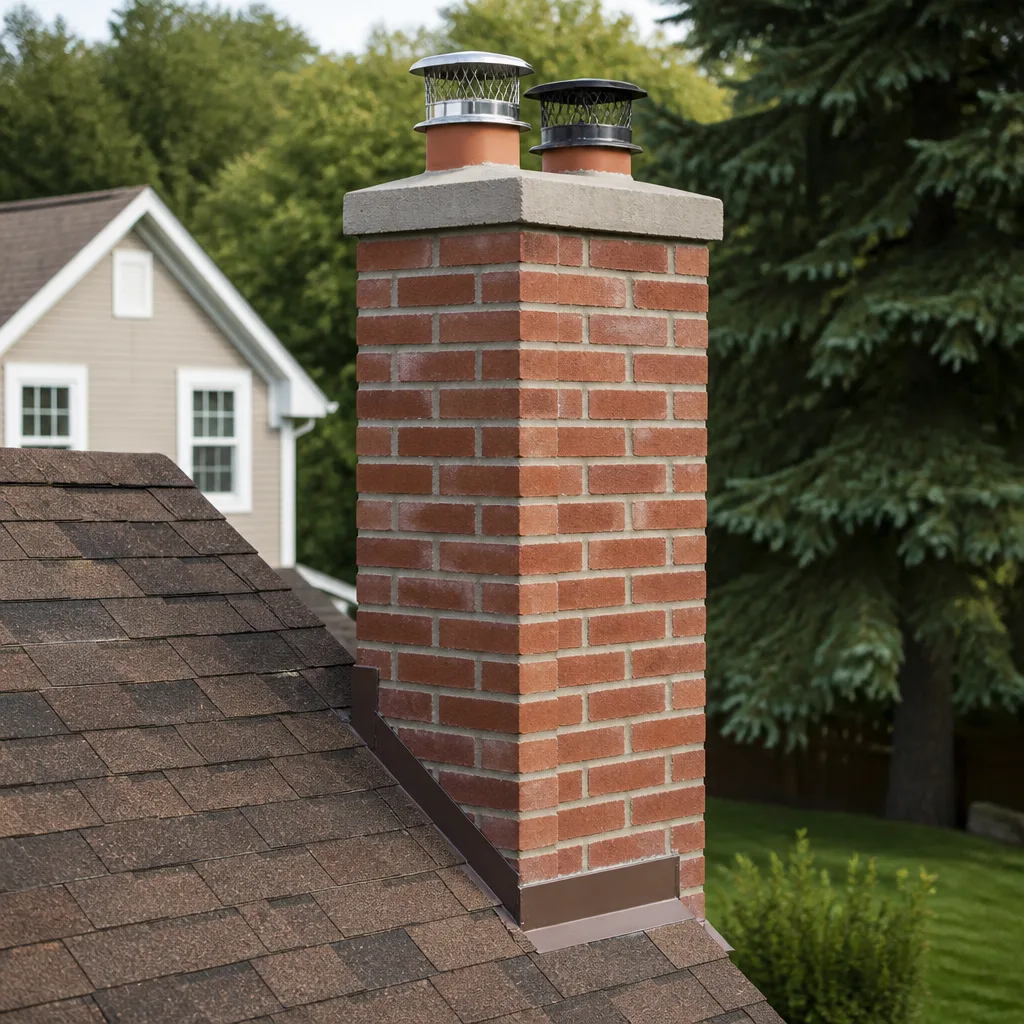 Masonry repair
 Gas fireplace service
Level 1 sweep and inspection to the NFPA 211 annual standard - flue, crown, cap, and flashing checked and photographed
Chimney sweep logs do not sweep chimneys. They loosen some creosote - which then falls where a brush and vacuum still have to collect it.
How to Hire a Chimney Cleaning Contractor in The Heights: A Step-by-Step Guide
Most homeowners hire a chimney sweep the way they hire a pressure washer: they search, they compare two prices, they book the cheaper one. That works fine for a driveway. It fails badly for the flue that carries combustion gases out of your house. The Heights has a deep pool of general handymen who list “chimney cleaning” on a menu alongside gutter work and window washing, and a much smaller pool of true specialists who can inspect, diagnose, and repair what they find up there. This guide gives you a vetting sequence that separates the two before anyone climbs on your roof. You’ll learn what a real certification verifies, which phone questions expose a generalist, how to read an estimate line by line, and what paperwork should land in your hands when the job is done.
Quick Answer
To hire a chimney cleaning contractor in The Heights, verify a real credential (CSIA Certified Chimney Sweep or equivalent), confirm general liability insurance and workers’ comp in writing, and ask two questions on the phone: what inspection level they’ll perform and what documentation they leave behind. A legitimate contractor answers both without hesitation and puts a written scope in your hands before any work starts. If the answers are vague, keep calling.
Styles & brands we work with
- Sweep & inspection
- Caps & crowns
- Flue relining
- Masonry repair
- Gas fireplace service
Table of Contents
- What CSIA Certification Actually Verifies
- “Licensed and Insured” in the Texas Contractor Context
- The Phone Questions That Separate Specialists From Generalists
- The Post-Storm Rush: Red Flags After Houston Weather
- How to Read a Chimney Estimate Line by Line
- What Post-Service Documentation Should Contain
- A Vetting Checklist You Can Use Today
What CSIA Certification Actually Verifies
The Chimney Safety Institute of America runs the most widely recognized credential in this trade. Earning it is not a weekend seminar. A CSIA Certified Chimney Sweep has documented field hours in the trade, has passed a proctored exam covering codes, venting, combustion, and inspection standards, and holds a valid code of ethics. The certification must be renewed, and the holder has to keep current on changes to NFPA 211, the national standard that governs chimneys and venting.
What that means for you in practical terms: a certified sweep can look at a flue and tell you, with reasons, why the liner is failing, why the firebox mortar is spalling, or why the smoke is drafting poorly. They know what a proper clearances-to-combustibles gap looks like. They can distinguish normal creosote from glazed third-degree creosote that needs chemical treatment, not just a brush. Those distinctions matter because they change the recommendation and the cost.
What certification does not verify is equally worth understanding. It doesn’t verify that a specific company is insured, licensed where applicable, or that every technician on the crew is certified. Ask which technicians hold the credential and whether the certification is current. The CSIA maintains a searchable database, so verification takes under a minute.
What to ask about credential
- Are you currently CSIA certified, and can you tell me your certification number so I can verify it?
- Will the person who performs the inspection be the certified technician, or someone else?
- Do you belong to the National Chimney Sweep Guild or a state association?
- What continuing education do you do to stay current with NFPA 211?
If the answer to the first question is “we’re licensed and insured,” that’s a redirect, not an answer. Keep pressing.
“Licensed and Insured” in the Texas Contractor Context
Texas does not issue a statewide license for chimney sweeps the way it does for electricians or plumbers. That’s a critical fact that most homeowners in The Heights don’t know, and it’s the one sharp contractors exploit. When a Houston-area chimney company says “we’re licensed and insured,” it’s usually shorthand for a general contractor’s registration or a local business permit, not a trade-specific license issued by a state board. There is no Texas Department of Licensing and Regulation chimney sweep license to check.
What this means is that “licensed” is a weak signal here. “Insured” is the stronger one, and it deserves scrutiny. Ask for a certificate of insurance, and read it. A general liability policy should cover at least a million dollars in bodily injury and property damage per occurrence, and it should name the work being done. If they carry workers’ compensation, ask for that certificate too. A contractor without workers’ comp who gets hurt on your roof is a liability problem that lands on your homeowner’s policy.
How to verify insurance in Texas
- Ask for a certificate of insurance (COI) by email before booking.
- Confirm the certificate is current and not expired.
- Call the insurance agent listed on the certificate to confirm the policy is active; a COI is easy to fake, an active agent verification is not.
- Ask whether workers’ compensation is carried or whether the crew is treated as subcontractors.
- Confirm the policy covers chimney work at residential heights, not just ground-level labor.
Chimney sweep work involves ladder work, roof access, and occasionally confined space. It’s not a driveway job. The insurance profile should match that reality.
The Phone Questions That Separate Specialists From Generalists
You can usually tell in the first two minutes of a phone call. A true specialist answers in specifics. A generalist answers in generalities. Here’s the shortlist of questions that reliably produce the difference, in the order to ask them.
Questions to ask before scheduling
- What inspection level will you perform? There are three recognized levels. A Level 1 inspection is a visual check of readily accessible portions, appropriate when the appliance and venting haven’t changed and there’s no ongoing problem. Level 2 adds a video scan of the flue interior and is required after a chimney fire, a change in appliance, a real estate transaction, or a weather event that may have affected the structure. Level 3 involves opening a wall or removing components to access concealed areas. A contractor who can’t name the level is not a trained inspector.
- Do you sweep or inspect first, and do you charge separately? A full-service contractor will typically sweep and inspect as one service. A cleaning-only crew will sweep, hand you a receipt, and tell you to “have someone look at that.” The gap matters when you need to know whether the flue is failing.
- What documentation will I receive? The correct answer includes a written report with inspection level, photographs of any findings, the materials used, and a next-service recommendation. “A receipt” is not that answer.
- Will you show me what you found? Photos or a video capture. If the crew can’t document, they can’t be held to anything.
- Do you install chimney caps and crowns? Weather intrusion from the top down is one of the most common causes of expensive interior damage. A sweep-only crew can’t address it.
- Can you reline a flue, or do you subcontract it? This is the dividing line. A specialist installs liners with professional-grade materials. DuraFlex and Olympia Chimney are the systems to ask about. A generalist will refer you out, and the diagnostic and the fix end up with two different companies.
- What’s your process for getting the roof safely? A business that can’t describe basic fall-protection practice isn’t inspecting your chimney, it’s standing on your roof trying to see one.
By the end of that list, the specialist has shown their hand. If any answer drifts into “we handle everything” without details, ask for one specific example in writing before you book.
The Post-Storm Rush: Red Flags After Houston Weather
Houston’s storms leave chimney damage behind. Wind blows caps off, drives water down uncapped flues, sends tree limbs onto crowns, and cracks mortar joints through freeze-thaw-free but still stress-inducing thermal swings. That’s the legitimate part of the post-storm story. The illegitimate part is the wave of contractors who appear in The Heights neighborhoods a week or two after a major weather event, driving clean trucks with out-of-area plates, offering “free inspections” and finding thousands of dollars of work on every single chimney they look at.
Some of these are storm chasers who will be gone before the warranty period closes. Some are generalists who can identify a problem but can’t fix it to standard. A few are simply unqualified. The tell is the sales pitch. A real chimney contractor describes what they’ll check, sweeps, inspects, and hands you a report with the findings. A storm chaser walks the roof, produces a camera full of grimy-looking flue photos, and quotes a big-ticket reline before the first phone call is even over.
Post-storm red flags
- No verifiable local address, phone number, or business history you can confirm independently.
- Reviews that all appeared in the last few weeks, or a brand-new business profile with a polished website.
- Unsolicited door knocking, especially after a storm, offering “free inspection today only.”
- Findings presented immediately with a high-pressure close and a same-day discount for signing now.
- No written inspection report, only a verbal summary and a quote.
- Materials with no brand name on the invoice.
- No workers’ compensation certificate or liability COI available on request.
The antidote is boring: ask for the documentation, ask which brands will be used, and verify the insurance. Storm chasers can’t produce those on demand.
How to Read a Chimney Estimate Line by Line
A chimney estimate should read like a scope of work, not a menu with checkboxes. Here’s how to parse one.
What a legitimate “cleaning” line item covers
- Full sweep of the flue from the top and the bottom where accessible.
- Removal of creosote, soot, and any nest debris.
- Cleaning of the firebox, smoke shelf, and damper.
- A visual (Level 1) inspection included in the service.
- Drop cloths and interior cleanup, with no soot in the room when they leave.
That’s what the base price buys. Anything beyond it is a separate line, and that’s fine as long as the estimate explains why it’s needed.
What gets added as upsells, and which ones you actually need
| Line item | When it’s legitimate | When to push back |
|---|---|---|
| Video flue scan (Level 2) | Prior chimney fire, appliance change, real estate transaction, or a finding during cleaning | Routine annual cleaning with no known issue |
| Chimney cap | No cap in place, damaged cap, or animals entering the flue | Cap is present, intact, and correctly attached |
| Crown repair | Visible cracking, separation from the flue, or water infiltration at the top | Slight surface crazing with no water entry |
| Relining | Clay tile failed, gaps present, or appliance upgrade requires a correctly sized stainless liner | Liner is intact and properly sized |
| Firebox restoration | Spalling mortar, cracked firebrick, or missing joints | Surface discoloration only |
| Creosote chemical treatment | Glazed third-degree creosote in the flue | Routine light-to-moderate buildup that sweeps clean |
The rule of thumb is simple: any recommendation should be supported by a photograph or video you can see. If the contractor can’t show you the crack, the gap, or the glazed creosote, the line item is a suggestion, not a finding. Ask them to point to it. If they can, and the estimate explains the fix, take it seriously. If they can’t, ask for the documentation before you sign. The same standard applies when comparing any two written estimates. Call for an exact quote on the scope you actually need.
What Post-Service Documentation Should Contain
The work isn’t done when the truck leaves. It’s done when you have a written record of what happened. A legitimate contractor’s post-service report should contain four things, and you should ask to see a sample of one before you book.
- Inspection level performed. Level 1, 2, or 3, in writing, with the reasoning.
- Findings documented. Photographs of the flue interior, firebox, damper, cap, and crown. Notes on creosote stage, soot condition, any structural issue, any draft or clearance concern.
- Materials used. Sweeping brushes, chemical treatments, any cap or repair materials with the brand name on the invoice. For repairs, DuraFlex, HeatShield, Gelco, Olympia Chimney, and Famco are the professional-grade names to look for, and they should appear on the paperwork.
- Next recommended service date. A sweep interval based on your burn habits and appliance, not a generic annual reminder.
This record matters in three places. It’s the baseline a future inspection compares against. It supports an insurance claim if a chimney fire or water intrusion happens. And it’s a required document in most real estate transactions, where a buyer’s inspector will ask for the most recent sweep and inspection report.
If the only thing you get is a receipt, the contractor didn’t do the back half of the job. For our part, we do a camera inspection and leave a photo report with every sweep, because it’s the only way the homeowner can verify the findings without climbing on the roof themselves.
A Vetting Checklist You Can Use Today
Print this, or open it on your phone, and run through it before you book. It takes about ten minutes and it will save you the more expensive mistake of hiring the wrong crew.
- Verify CSIA certification by name and number in the CSIA database.
- Request a current certificate of insurance for general liability, and verify it with the listed agent, not just the contractor.
- Ask which inspection level they’ll perform and why.
- Ask what the written report will contain, and request a redacted sample.
- Ask which brands they install for caps, liners, and firebox restoration.
- Ask whether they subcontract relining or repair work, and to whom.
- Confirm you’ll receive photographs of any finding that supports a repair recommendation.
- Confirm the scope line by line and ask what’s excluded, including cleanup.
That’s the sequence. Anyone who pushes back on any of it, or who can’t produce a document on request, is telling you something about how the job will go.
Ready to run the checklist? Start with the chimney sweep appointment itself: our Chimney Sweep The Heights team sweeps, inspects, and shows you the photos before recommending anything. If a chimney cap & crown is what’s missing, we install it with Copperfield, Gelco, or another professional-grade product, not a hardware store substitute. And when the firebox needs restoration, HeatShield lets us repair it without full demolition. That’s the difference between a cleaning crew and a full-service chimney contractor: the same technician who finds the problem fixes it.
Common Mistakes to Avoid
- Booking on price alone. The $79 “chimney cleaning” special is real, and it usually buys a brush down the flue and nothing else. It doesn’t include an inspection, and it won’t catch the failed tile liner behind the soot.
- Assuming “licensed” means a trade license in Texas. There is no statewide chimney sweep license. “Licensed and insured” from a Houston-area chimney company typically means a general business registration and a policy. Verify the policy, not the word.
- Taking the first inspection report at face value. If the report says “your liner is shot, you need a full reline,” ask to see the video. A failing liner shows as gaps, cracks, or missing tiles in the footage. If they can’t show you, the diagnosis isn’t a diagnosis.
- Hiring a general handyman in The Heights who lists chimney cleaning alongside pressure washing. The work may be fine for a light sweep. It falls apart when the flue needs a reline, the firebox needs restoration, the crown is cracked, or the cap has blown off in a storm. A generalist either subcontracts that or doesn’t do it.
- Booking the day after a major storm without checking the business history. Storm damage is real, and so is the wave of out-of-area contractors who appear right after. Verify credentials before the truck pulls in.
- Accepting a verbal recommendation with no written record. If you can’t compare the report to the next one, you have no baseline.
- Skipping the winter sweep because “the fireplace looked fine last year.” Creosote and structural wear don’t announce themselves. A flue that drafted fine last season can have a failed tile or a blocked cap screen this season.
- Ignoring the cap and crown. Most chimney water damage starts at the top. A missing or damaged cap lets rain, snow melt, and animals straight into the flue.
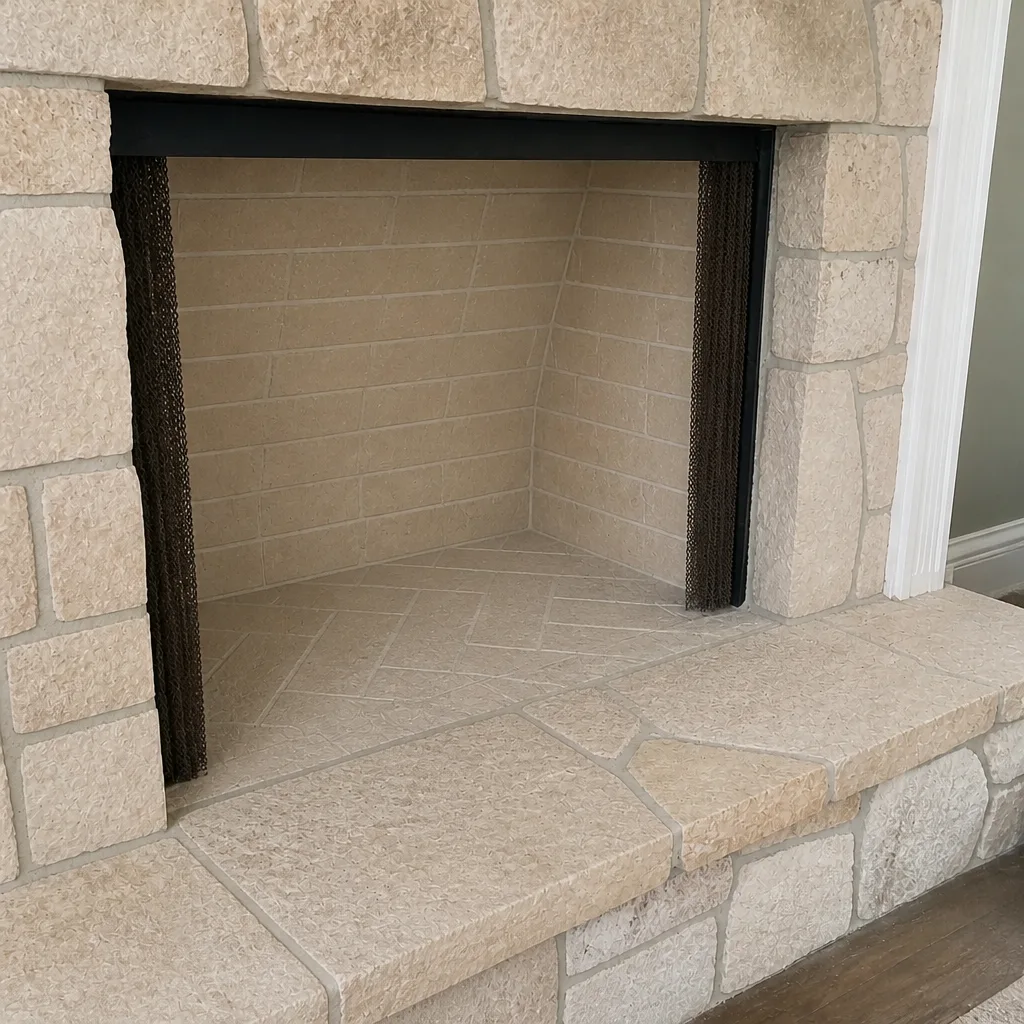
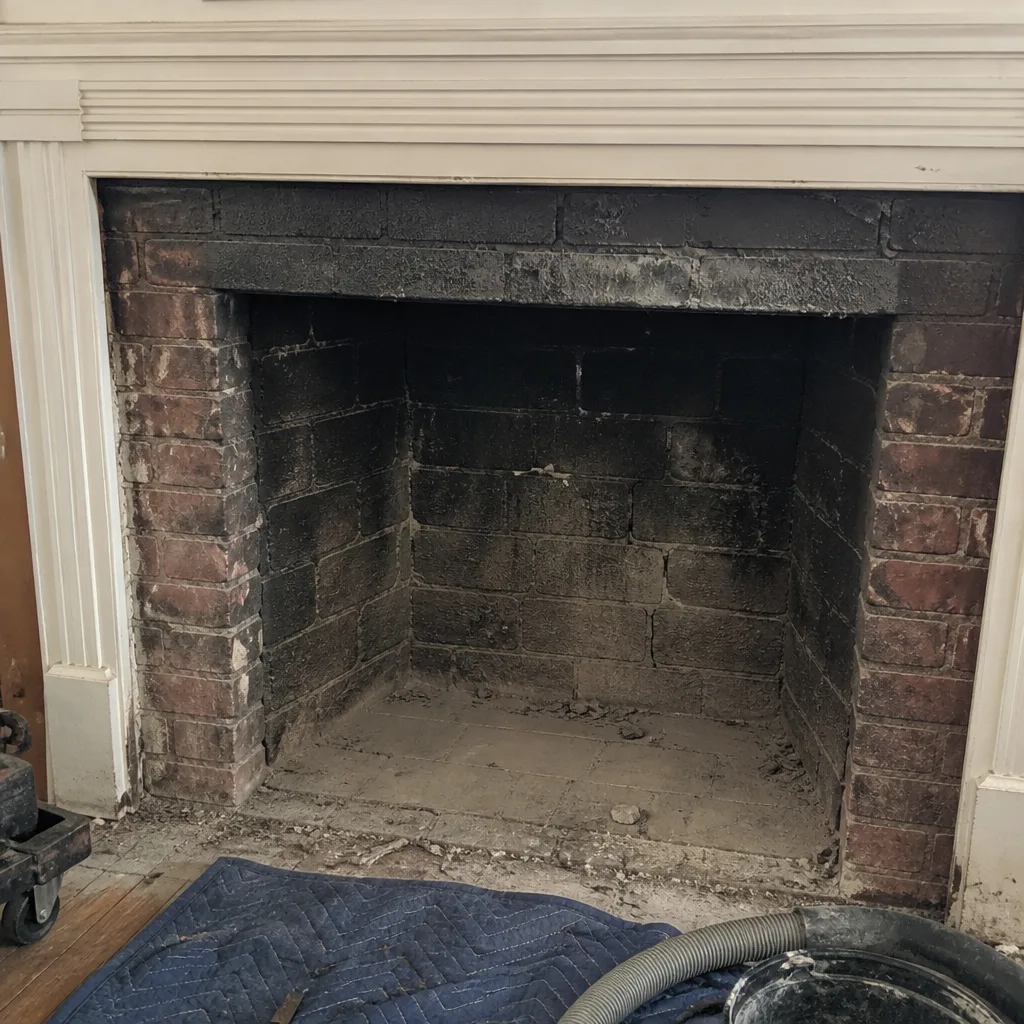
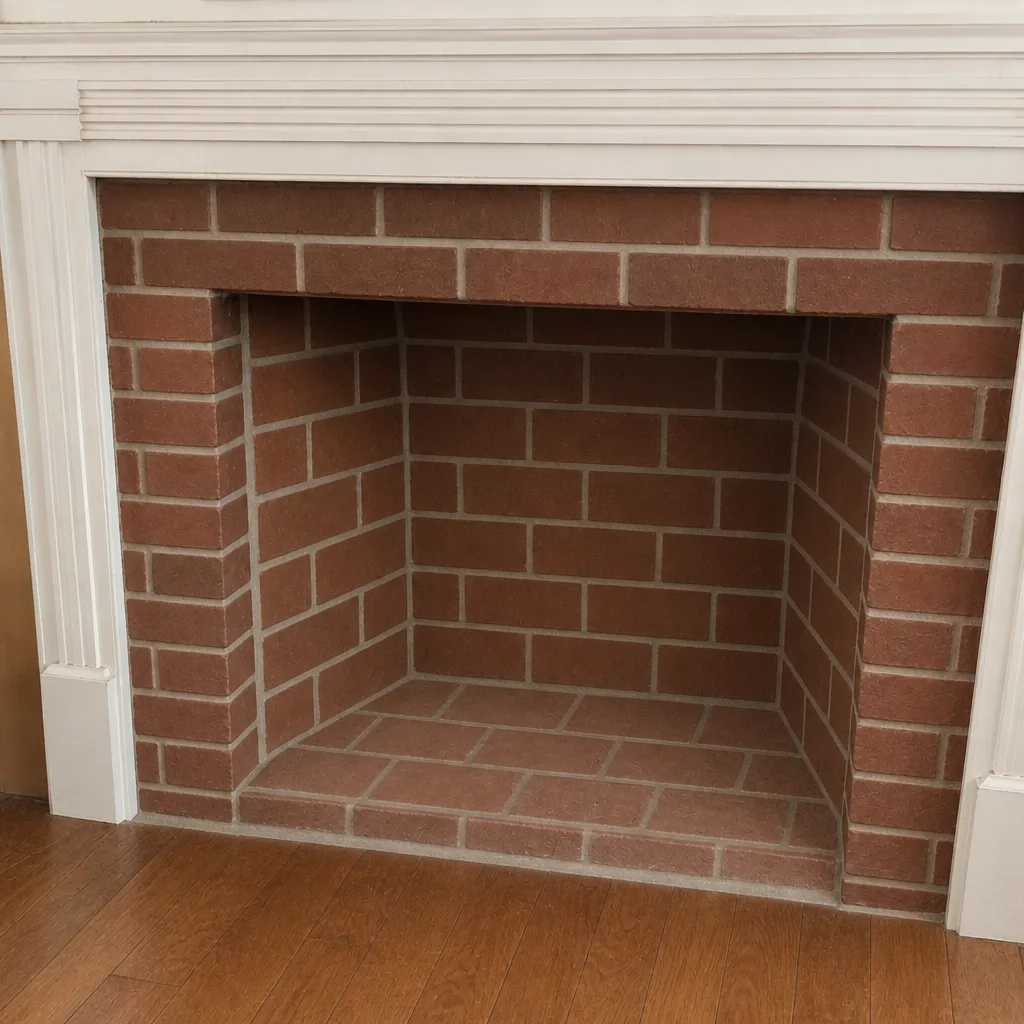
See the difference
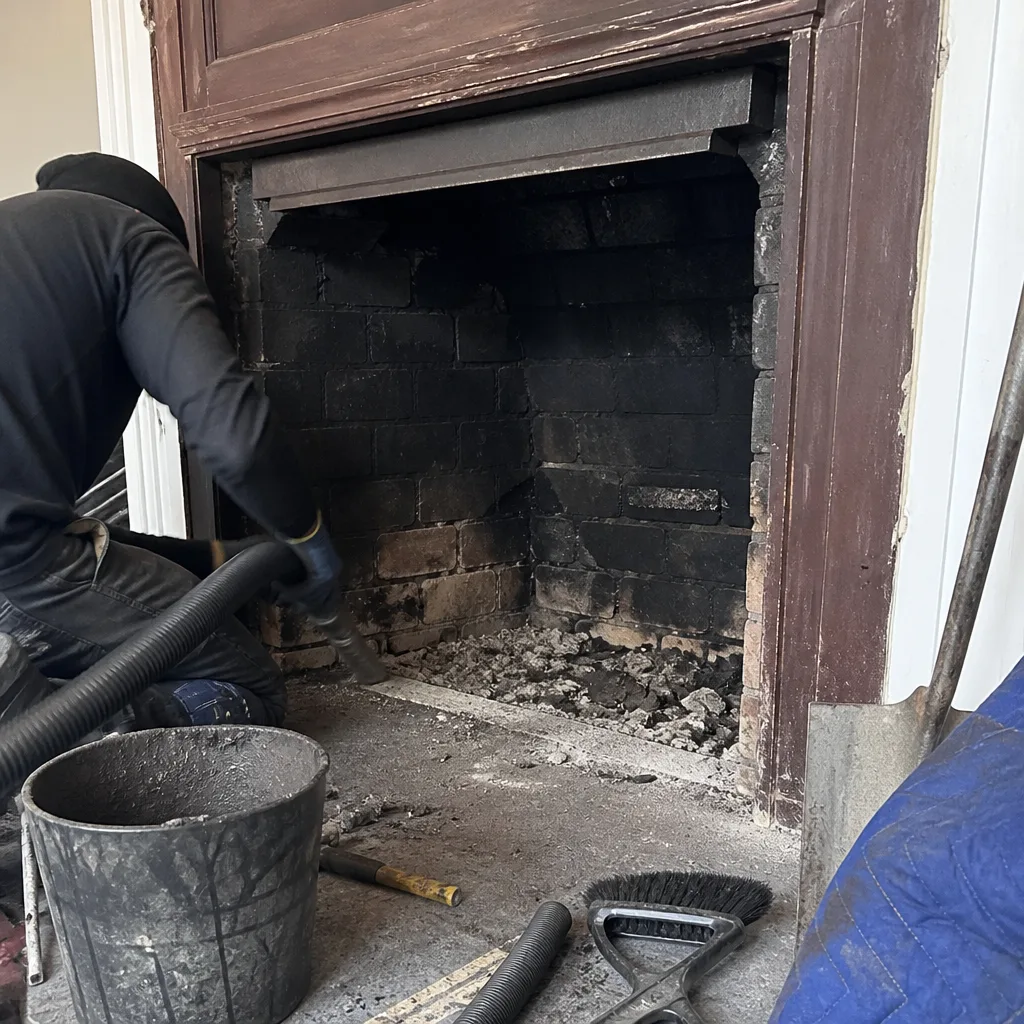 Before
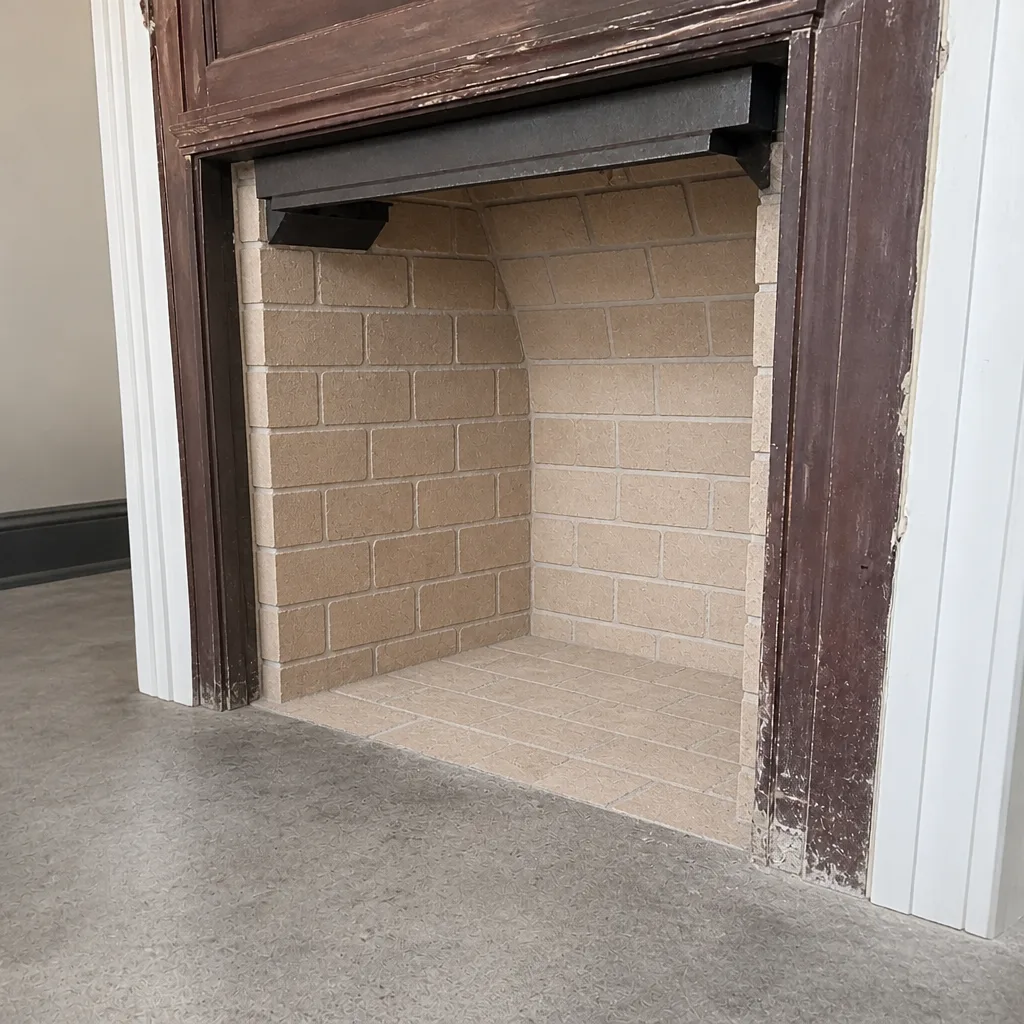 After
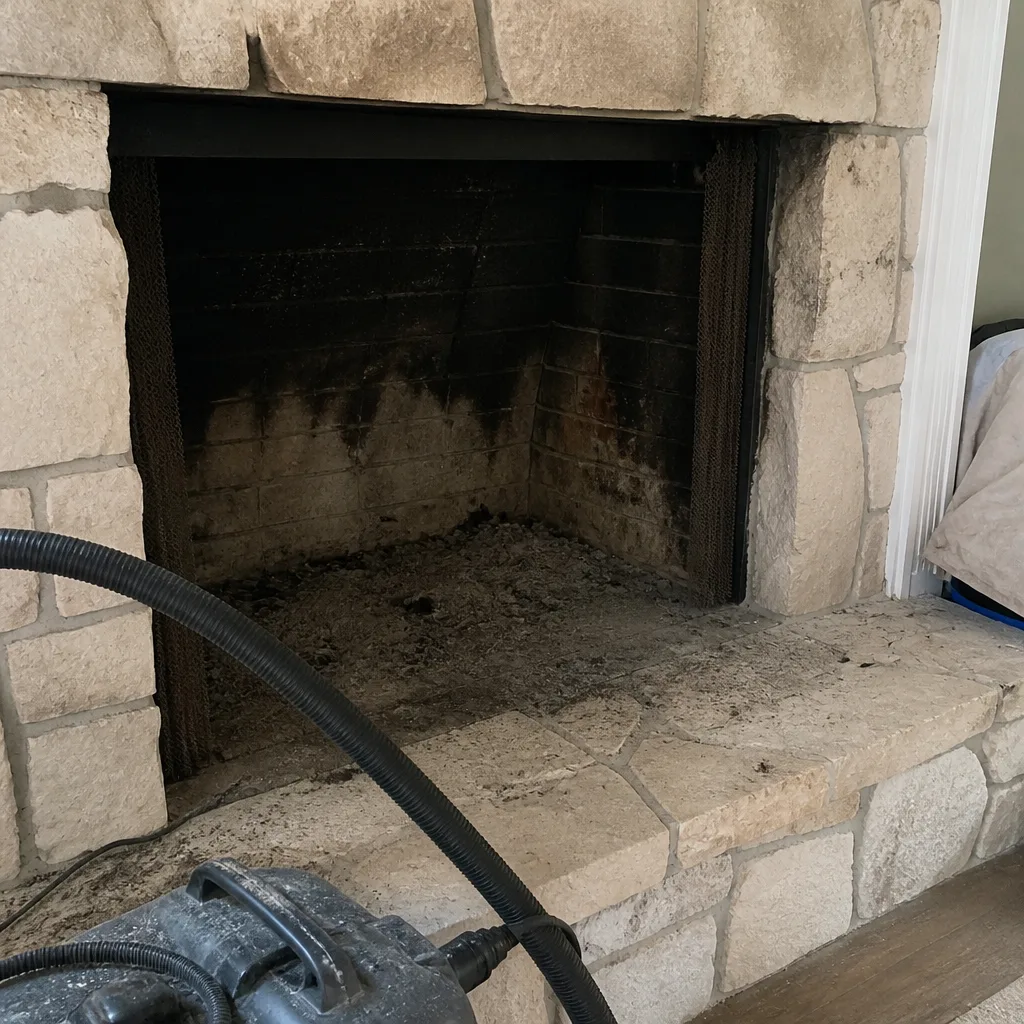 Before
 After
 Before
 After
When to Call a Professional
Some things are obvious. A visible crack in the firebox, a chimney that smoked into the room on the last burn, water staining on the ceiling near the flue, a cap that’s missing or dangling, or a chimney fire that you smelled or heard – those are all “call today” situations. The less obvious one is the annual sweep: if it’s been more than a year since the last service, or if you’ve burned a cord of wood or more since then, book a sweep before the season starts. Creosote accumulates faster than most homeowners realize, and the fire risk rises with it. The third case is inspection documentation, which you need before any real estate transaction or after a major storm that may have damaged the crown or cap.
Chimney Sweep The Heights offers free estimates in The Heights – call (877) 810-4894. We answer 24/7. Fast dispatch from 7am to 7pm, Sunday through Friday.
Frequently Asked Questions
Typical chimney sweep pricing in The Heights runs in a moderate range for the Houston market, and the exact cost depends on flue length, access, amount of creosote, and whether an inspection is included. A full sweep with a Level 1 inspection, interior cleanup, and a written report is the standard service. Repairs like caps, crowns, or relining are priced separately per the written estimate. Call (877) 810-4894 for an exact quote – estimates are free.
Yes, if you want a real inspection rather than just a brush down the flue. CSIA certification verifies documented field hours and a proctored exam on codes, venting, and inspection standards. Without it, you have no way to confirm the person on your roof knows what a failed liner or a clearance violation looks like. Ask for the certification number and verify it in the CSIA database before you book.
Once a year is the standard for a fireplace in regular use, and more often if you burn heavily or burn green wood. The NFPA 211 standard calls for sweeping when creosote reaches 1/8 inch, which your technician can measure. In our experience, households that burn several cords a season often need service twice. A written report with a next-service date is the right way to track this.
For a light sweep with no complications, a competent generalist can brush a flue. The problem is what happens next. If the flue has a failed tile liner, cracked crown, or spalling firebox, a generalist either won’t catch it or can’t fix it. The diagnostic and the repair end up with two different companies, and accountability splits with them. Specialists carry the whole sequence – sweep, inspect, report, repair – in one relationship.
A proper report includes the inspection level performed, photographs of the flue, firebox, damper, cap, and crown, notes on creosote condition and any structural findings, the brand name of any materials used, and a next-service recommendation date. If you get only a receipt, ask for the rest. A contractor whose findings are real can document them.
A skipped sweep means creosote keeps accumulating and small structural problems keep growing. What could have been a cleaning becomes a reline, and what could have been a crown repair becomes interior water damage. The costs escalate in steps. If it’s been over a year, book the sweep before the season starts and get a written baseline. Call (877) 810-4894 for an exact quote – estimates are free.
The Bottom Line
Hiring a chimney contractor in The Heights comes down to four verifications: CSIA certification you can look up, insurance you can confirm with the agent, an inspection level the contractor can name, and a written report you receive after the work. Any qualified specialist will pass all four without argument. A generalist will pass some and fudge others. The written estimate then becomes the second filter: it should explain what the base cleaning covers, list any repair line item with the photographic evidence behind it, and name the professional-grade materials – DuraFlex, HeatShield, Gelco, Olympia Chimney, Famco, Copperfield – alongside the fix. If you run the checklist in this guide and the contractor clears every gate, you’ve done more vetting than most homeowners in The Heights do in five years of chimney service.
Chimney Sweep The Heights provides chimney sweeping, inspection, cap and crown installation, fireplace repair, and chimney repair across The Heights. Our technicians have up to 11 years of experience, and we can work with your insurer on documented claims. Call (877) 810-4894 for a free estimate. We answer 24/7. Fast dispatch from 7am to 7pm, Sunday through Friday.
Written by the team at Chimney Sweep The Heights.