
Last updated November 24, 2026
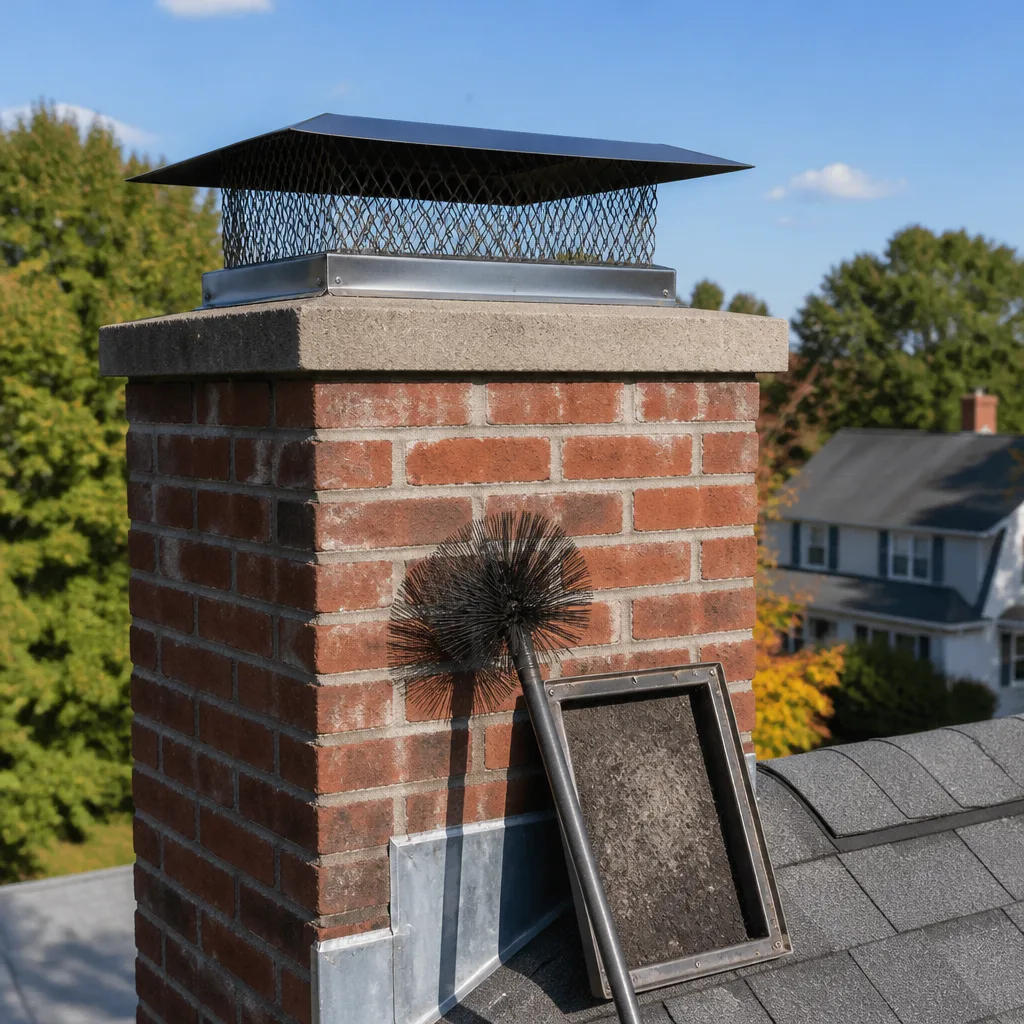 Sweep & inspection
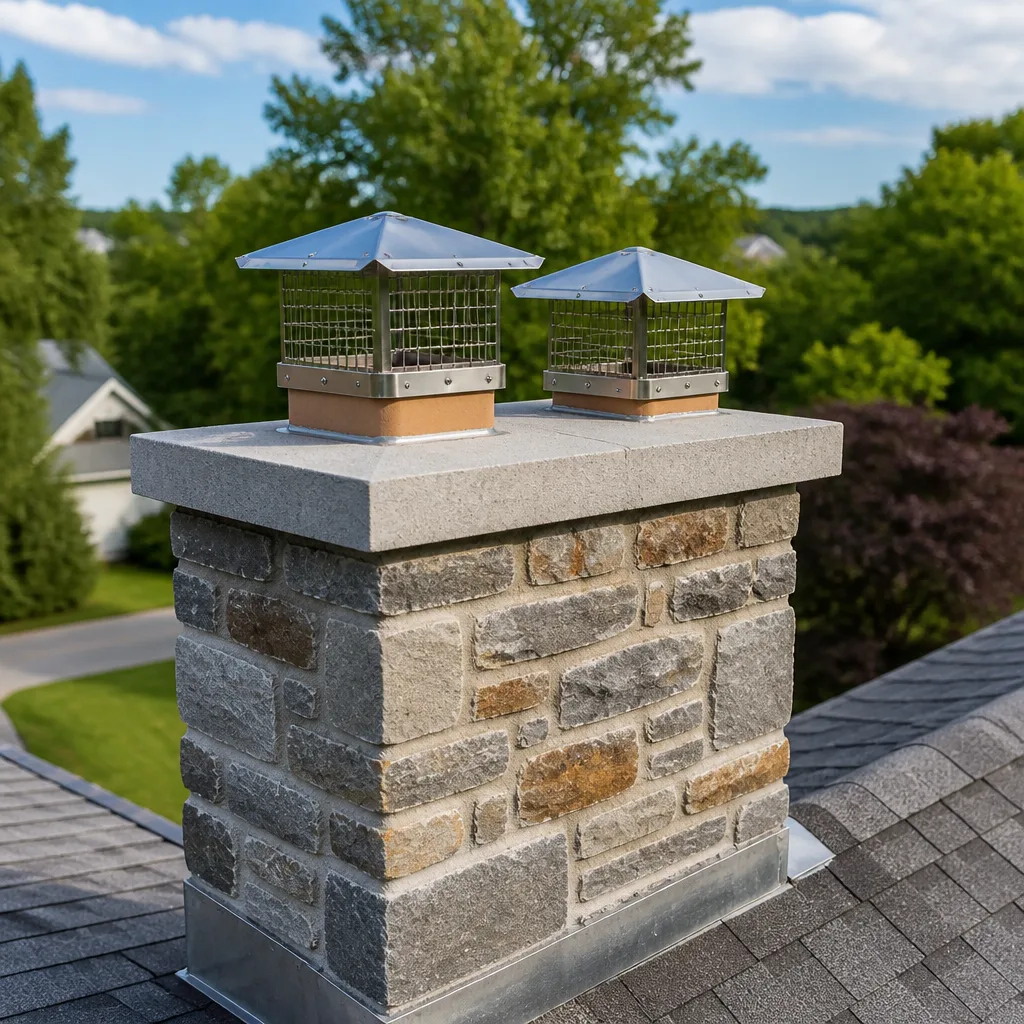 Caps & crowns
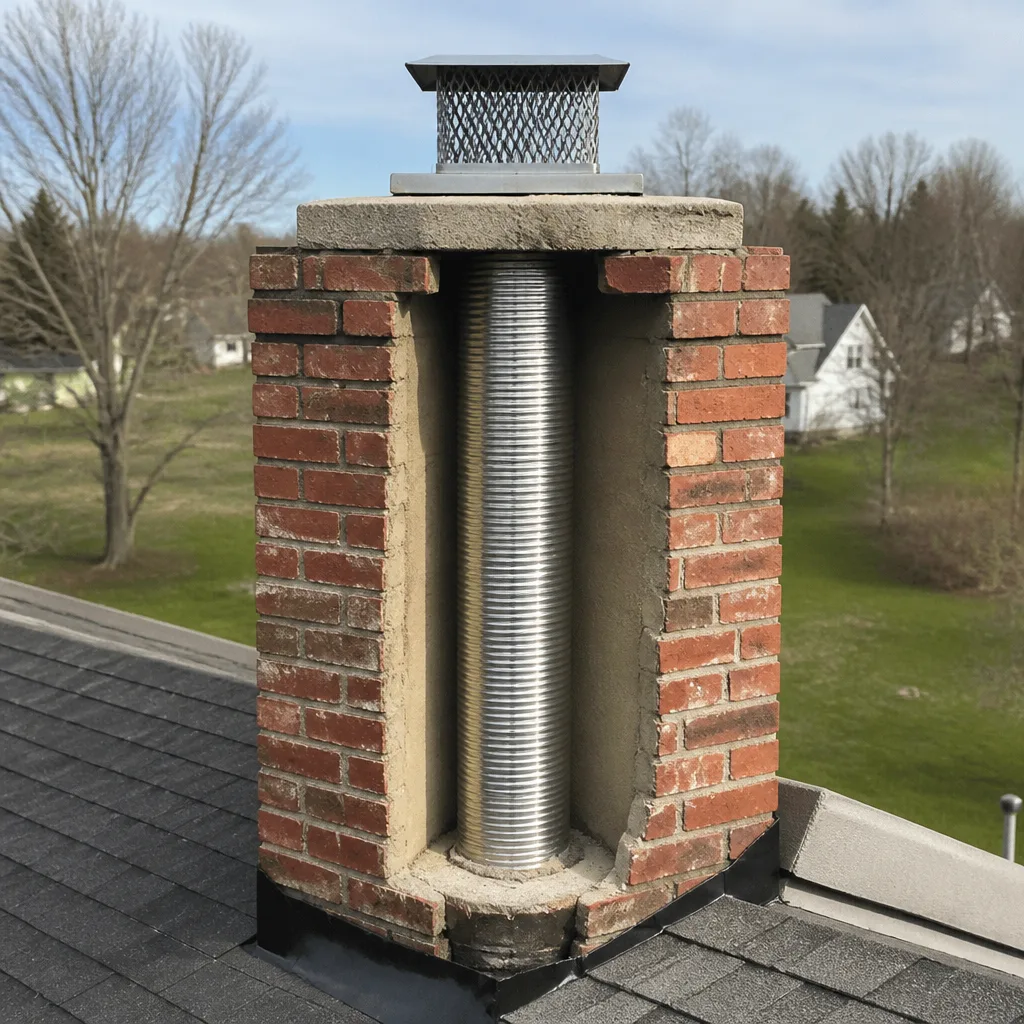 Flue relining
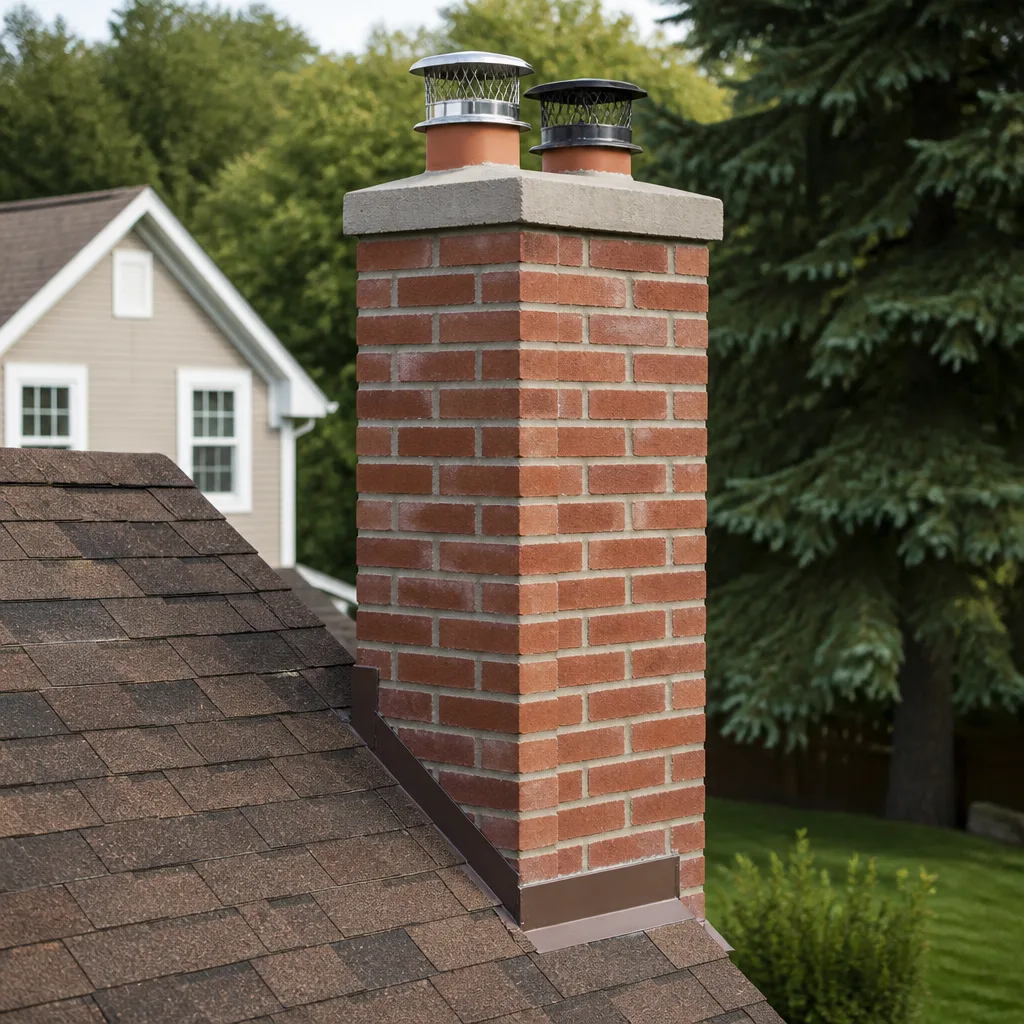 Masonry repair
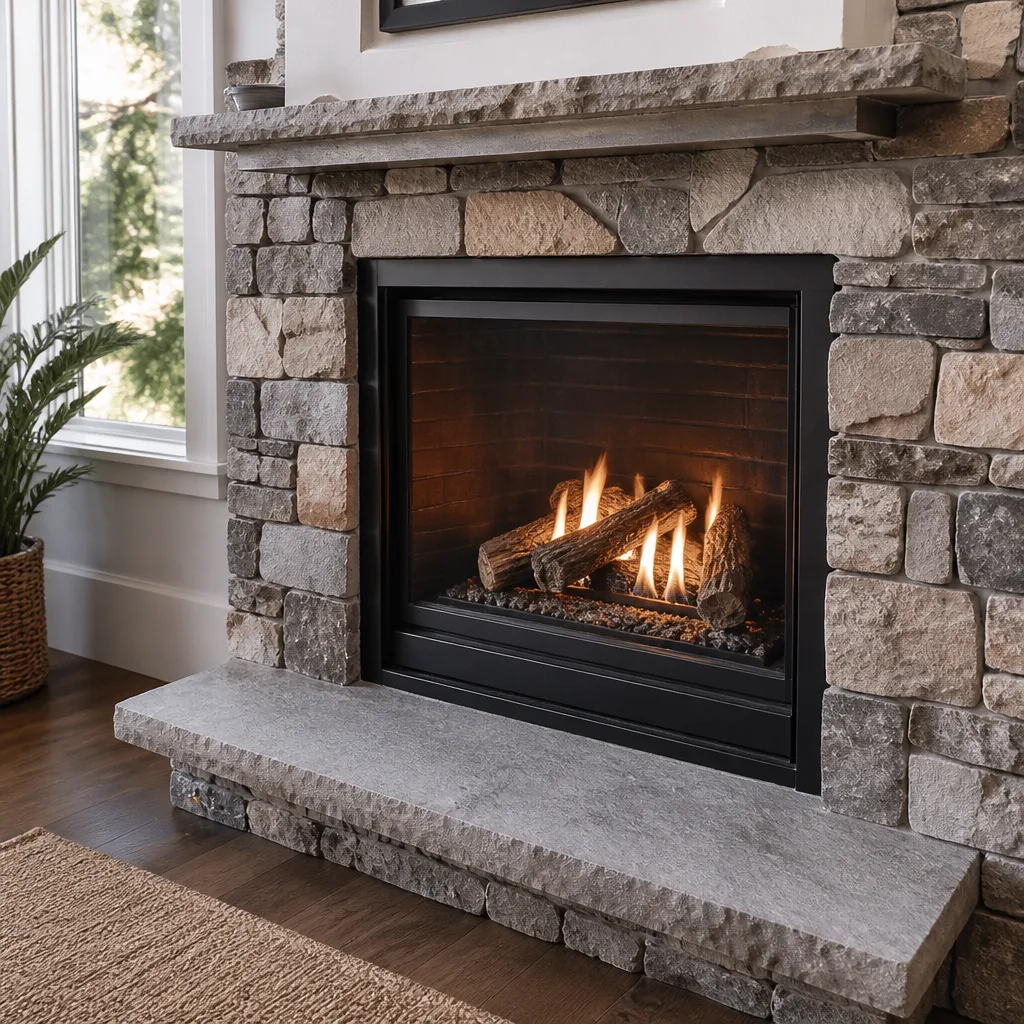 Gas fireplace service
Level 1 sweep and inspection to the NFPA 211 annual standard - flue, crown, cap, and flashing checked and photographed
Chimney sweep logs do not sweep chimneys. They loosen some creosote - which then falls where a brush and vacuum still have to collect it.
DIY vs Professional Chimney Cleaning: The The Heights Homeowner’s Decision Guide
Here’s the thing most DIY chimney advice gets wrong: it treats every chimney as the same chimney. A straight, single-flue system inside a newer prefab fireplace is a genuinely different proposition from a 70-year-old clay-tile-lined brick chimney with an offset flue and a cracked smoke shelf. One you might reasonably maintain yourself. The other you should not touch without a camera down the flue. The gap between those two situations is where homeowners in The Heights get into trouble, and it’s the line this guide draws. We’ll walk through what DIY brushing actually accomplishes, what it can’t, how your specific system type changes the math, and how to use a simple visual check to decide whether to pick up a brush or pick up the phone.
Quick Answer
DIY chimney cleaning is only a reasonable option for a straight, accessible flue in a modern prefab or gas system with light, dry soot and a liner you already know is intact. For older masonry chimneys, offset flues, glazed creosote, or any system whose liner condition is unknown, professional cleaning with a rotary system and camera inspection is the safer call. In The Heights, where a lot of housing stock is older than the fireplace inserts inside it, the professional route is usually the right one.
Styles & brands we work with
- Sweep & inspection
- Caps & crowns
- Flue relining
- Masonry repair
- Gas fireplace service
Table of Contents
- What DIY Chimney Brushing Actually Accomplishes
- What DIY Cleaning Cannot See or Fix
- The Equipment Gap: Consumer Kits vs. Professional Rotary Systems
- System-Type Decision Tree: Prefab, Masonry, and Gas
- The Specific Scenarios Where DIY Cleaning Carries Real Risk
- How to Use a DIY Visual Check as a Triage Step
- Questions to Ask Before You Book Anyone
- Common Mistakes to Avoid
What DIY Chimney Brushing Actually Accomplishes
A consumer chimney brush removes loose, dry soot and light ash from the flue walls it can physically reach. That’s the honest scope. If your fireplace has seen a season of well-seasoned hardwood burned hot and clean, the deposits on the flue are mostly powdery soot, and a brush on a flexible rod can knock a good bit of it down into the firebox.
What that means in practice:
- It addresses stage 1 creosote – the flaky, dusty soot that brushes off with light pressure.
- It clears the smoke path in a straight flue where the brush can travel from the top or bottom without deflecting.
- It gives you a rough sense of how much is building up, which is genuinely useful information.
- It does not restore draft performance if the problem is a smoke chamber, a damaged damper, or a flue that’s undersized for the firebox.
- It does not evaluate the liner, and it doesn’t touch the smoke shelf or smoke chamber where a lot of real problems live.
A brush sweeping a flue is a maintenance action, not a diagnostic one. That distinction matters in The Heights because so many homes have had fireplaces added, converted, or lined with inserts over the decades, and the chimney above the roofline often doesn’t match what the firebox below suggests. The brush tells you soot is coming down. It doesn’t tell you why the soot is where it is or what condition the flue is in behind it.
When we sweep a chimney, we’re not just clearing the soot – we’re reading the flue. That’s part of the chimney sweep process, and it’s the part a brush kit can’t replicate.
What DIY Cleaning Cannot See or Fix
The three things a homeowner with a brush cannot assess are the same three things that drive most chimney repair costs. That’s not a coincidence. A brush works blind, and the expensive problems are the ones you can’t see from the firebox.
Glazed Creosote
When creosote bakes onto the flue wall in layers, it goes from flaky (stage 1) to crusty and brittle (stage 2) to a hard, shiny, tar-like glaze (stage 3). A brush will skate right over stage 3 creosote. It’s essentially a fuel deposit, and it doesn’t brush off. Stage 3 creosote needs chemical treatment or, in severe cases, liner replacement. You can’t tell from the firebox whether you have it. You have to look up the flue.
Liner Integrity
Clay tile liners crack. Metal liners can separate at seams or corrode. A hairline crack in a clay tile is invisible from below but means hot gases and carbon monoxide can reach the structure around the flue. A properly lined flue isn’t a luxury; it’s the difference between safe combustion and carbon monoxide risk. That’s why inspection matters as much as sweeping, and why we run a camera down the flue on every sweep rather than assuming the liner is fine.
Smoke Chamber and Smoke Shelf Condition
The smoke chamber is the sloped area above the damper and below the flue. It’s often corbelled brick with rough, angled surfaces that collect creosote and are hard to brush. A deteriorated smoke chamber can affect draft and becomes a fire-spread path. Repair here is where a system like HeatShield earns its keep – it can be resurfaced without tearing out the fireplace, which is a repair most sweep-only services can’t offer.
The Equipment Gap: Consumer Kits vs. Professional Rotary Systems
There’s a real difference between the brush kit sold at a hardware store and the rotary system a professional uses, and it’s not just horsepower. It’s containment, coverage, and the ability to actually see what you’re working on.
Here’s what a professional setup includes that a consumer kit doesn’t:
- A rotary brush head that spins at speed to cut through deposits a push-pull brush can’t touch, including moderate stage 2 creosote.
- A HEPA vacuum connected to the flue opening to contain soot. Without it, you’re distributing fine soot through the living space. In a tight Heights bungalow, that’s a real cleanup problem, not a minor annoyance.
- Drop cloths and sealing around the fireplace opening so the room stays clean.
- An inspection camera on a flexible rod to see the full run of the flue from the top down.
- Correct brush sizing matched to the flue – an oversized brush damages tile; an undersized one leaves the walls untouched.
The rotary brush matters more than people realize. A homeowner pushing a brush up a flue hits resistance at bends and offsets and can’t apply consistent pressure. The rotary head gets full 360-degree contact on every pass. That’s the difference between knocking off what’s loose and clearing the walls.
We also work with a specific set of professional-grade materials: DuraFlex, HeatShield, Gelco, Olympia Chimney, Famco, and Copperfield. Those aren’t brand names for their own sake – they’re the parts that get specified when a repair is needed, and having them on hand is why we can sweep, inspect, and repair without sending you to a second contractor.
System-Type Decision Tree: Prefab, Masonry, and Gas
The single biggest mistake in DIY chimney advice is treating all systems the same. Here’s how the three main system types in The Heights sort out on the DIY viability spectrum.
Prefab Zero-Clearance Fireplaces
These are factory-built metal fireplaces with a dedicated flue and a chimney chase. A newer prefab with a straight vertical flue and a known-intact liner is the closest thing to a DIY-friendly system – but only for light stage 1 soot. The catch is that prefab flues have specific clearance and liner requirements, and brushing with the wrong size or type of brush can damage a stainless liner. If you didn’t install it and don’t have the manufacturer’s documentation, you’re working blind.
Older Masonry Chimneys
This is where DIY goes from “maybe” to “no.” A masonry chimney built into an older Heights home often has an offset flue (the chimney jogs around a structural element), a clay-tile liner that may be cracked, and a smoke chamber that needs inspection. Brushing an offset flue means the brush binds and doesn’t clean the far side. Brushing a cracked clay tile can widen the crack. A masonry chimney of unknown age and condition should be camera-inspected before anyone – homeowner or pro – puts a brush in it.
Gas Log Systems
Gas log sets and gas inserts produce different byproducts than wood fires. They still need attention, but the failure modes are different – corrosion, nesting debris, and venting issues rather than creosote. Sweeping a gas system is usually a lighter job, but gas appliances carry their own safety considerations. This is not a system for a homeowner to dismantle. A professional should service it.
The short version: if you can answer “straight flue, metal liner, no offsets, no visible damage, light soot” for all five, you may be a DIY candidate. If any of those is a no, you’re not – and you probably can’t answer them all confidently without a camera in the flue.
The Specific Scenarios Where DIY Cleaning Carries Real Risk
DIY chimney cleaning isn’t dangerous in the abstract. It’s dangerous in specific, recognizable situations. If you recognize your chimney in any of the following, the brush stays in the garage.
- Stage 2 or stage 3 creosote. If you can see or feel brittle, crusty or glazed deposits, a brush won’t remove them and the agitation can break pieces loose that then lodge in the flue. Chemical treatment or liner work is the right path, and that’s a professional job.
- Unknown liner condition. If you haven’t had the flue inspected and you don’t know whether the clay tile is cracked or the liner is intact, brushing is working blind. The brush doesn’t cause the crack, but it also won’t tell you the crack is there – and you’ll keep burning with a compromised liner.
- A recently storm-damaged chimney. After a big storm, the chimney can take on water, and debris or a cracked crown can follow. The roof itself may be unsafe to access. This is not the moment to climb up with a brush.
- Any offset flue. The brush binds, doesn’t clean the far wall, and can damage the liner. An offset needs the rotary system and camera.
- A fireplace you’ve never had cleaned or inspected. The first cleaning of an unknown system should be a professional inspection and sweep, not a homeowner experiment. Get the baseline, then decide about DIY later – if at all.
We’ve seen all of these turn from a brush-and-hope job into a liner or smoke chamber repair, and the sweep is always the cheaper part. The inspection is where you find out which one you’re looking at, and it’s why the camera goes down on every job.
How to Use a DIY Visual Check as a Triage Step
You can do a genuinely useful visual check from inside the house before you decide anything. It won’t replace a camera inspection, but it will tell you what questions to ask and whether to skip DIY altogether. Here’s how to triage your own system.
- Look up from the firebox with a bright flashlight. You’re looking for the damper, the smoke chamber above it, and whatever flue you can see. Note whether the surfaces are dry and dusty or shiny and tarry. Dusty soot is stage 1. Shiny, tar-like buildup is stage 3. That single distinction changes the decision.
- Check the firebox for cracks and missing mortar. Cracks in the firebox brick or gaps in the mortar joints are a sign the system needs professional repair, not just cleaning. A fireplace repair isn’t a DIY brush job.
- Look at the damper. Does it operate freely? Is there buildup on it? A stuck or heavily coated damper affects draft and signals a system that needs serviced attention.
- Note your burn history. If you burn unseasoned wood, burn low and slow, or use the fireplace as your main heat source, creosote buildup is faster and heavier. That pushes you firmly off the DIY list.
- Look at the cap and crown from the ground. A missing or damaged cap lets water and animals in. If you can see damage from the ground, don’t climb up – book a professional. The roof is not the place to test your confidence.
Write down what you find: the appearance of the flue, the condition of the firebox, the damper operation, and your burning habits. That information goes straight into the conversation when you call. It also makes you a sharper consumer – you’ll know whether a quote is addressing your actual system or just selling a generic sweep.
This is also where a professional inspection pays for itself even if you never book a repair. A documented inspection is the baseline for any future recommendation and it supports insurance claims and real-estate transactions. If you’re buying or selling a home in The Heights, that inspection record has value beyond the cleaning.
Questions to Ask Before You Book Anyone
The flip side of the DIY decision is choosing a professional, and the quality gap there is every bit as wide as the equipment gap. A bargain sweep that cleans but can’t diagnose is the same blind spot as a homeowner with a brush. Here’s what to ask before you commit.
- “Will you run a camera down the flue?” If the answer is no, that’s a cleaning-only service. You want the inspection.
- “Can you repair what you find?” A sweep that can only clean will tell you there’s a problem and leave you to find someone else. We handle the whole chain – sweep, inspect, cap and crown, firebox and fireplace repair, and liner work with DuraFlex – so the diagnosis and the fix come from one contractor. No finger-pointing between vendors.
- “What will you do about the containment?” A HEPA vacuum and sealed drop cloths are the minimum. If a sweep is planning to brush your flue with a shop vacuum and a tarp, your living room takes the hit.
- “Can you show me the inspection photos afterward?” You should see what they saw. A documented report with photos is how you verify the recommendation, and it’s how we do every inspection.
We stock and install products from Gelco and Famco alongside the brands above for cap, crown, and liner work – the same materials specified by professional chimney contractors – so the answer to “can you fix it” is almost always yes.
Common Mistakes to Avoid
- Assuming a clean firebox means a clean flue. The firebox is what you see. The flue is where the risk lives. A tidy firebox tells you nothing about glazed creosote or a cracked tile liner above the damper.
- Brushing an offset flue. The brush binds at the jog and never cleans the far wall. You get a false sense of security and a flue that’s still half-loaded with creosote. Offsets need a rotary system and camera.
- Burning unseasoned wood to “use up” a load. Wet wood produces more creosote, faster. It’s the most common reason a Heights chimney is overdue for a sweep, and it pushes even a prefab system out of DIY territory.
- Climbing on the roof to check the cap with no fall protection. Roof access in The Heights is a real fall hazard, and a damaged cap or crown is a professional job once you’re up there anyway. Assess from the ground and book the rest.
- Ignoring the inspection because the sweep was “fine.” A sweep without an inspection is a cleaning-only service. If nobody ran a camera down the flue, you don’t actually know the condition of your liner.
- Treating a gas log set like a wood fire. Gas systems need servicing but not homemade brushing. Leave gas appliance work to a professional.
- Waiting until the fireplace is the only heat in a cold snap. Service is easier to schedule before the burning season than in the middle of it, and a blocked or damaged flue is a poor time to discover the problem.
See the difference
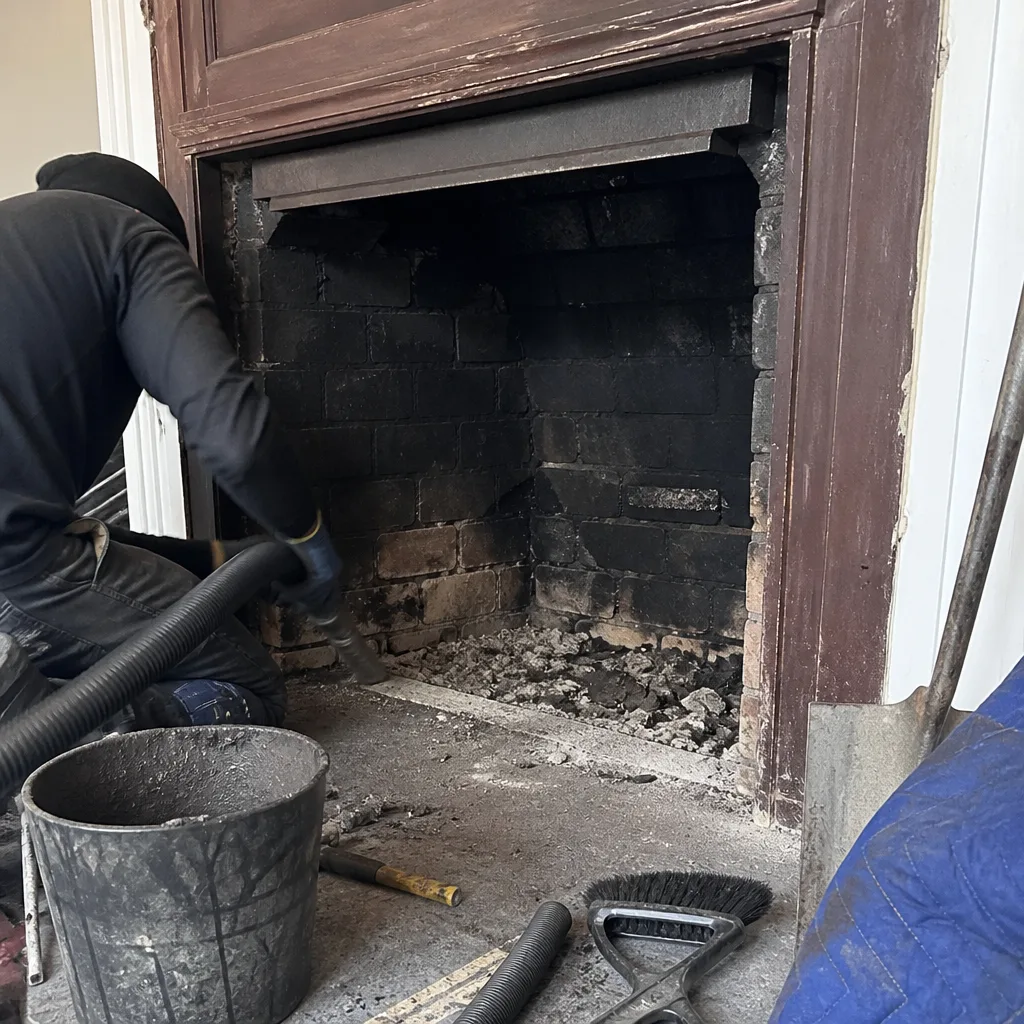 Before
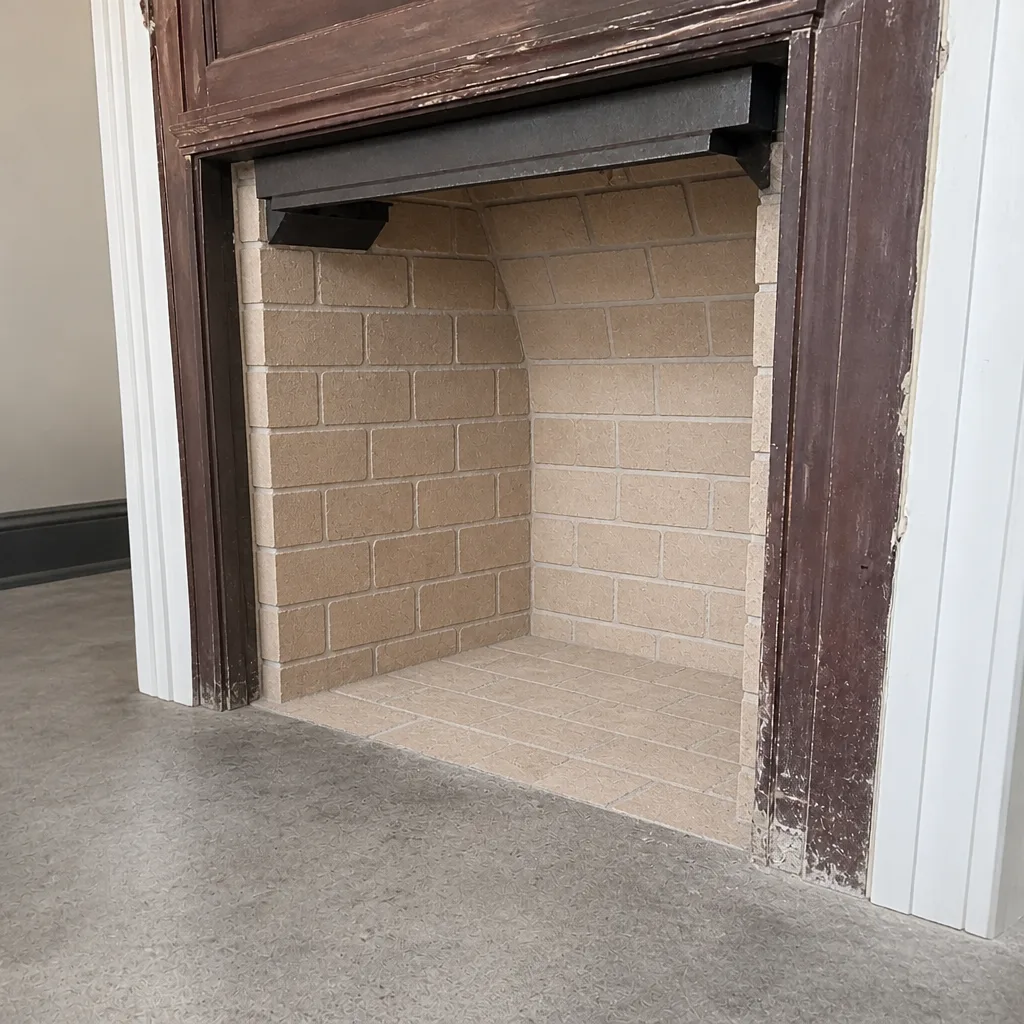 After
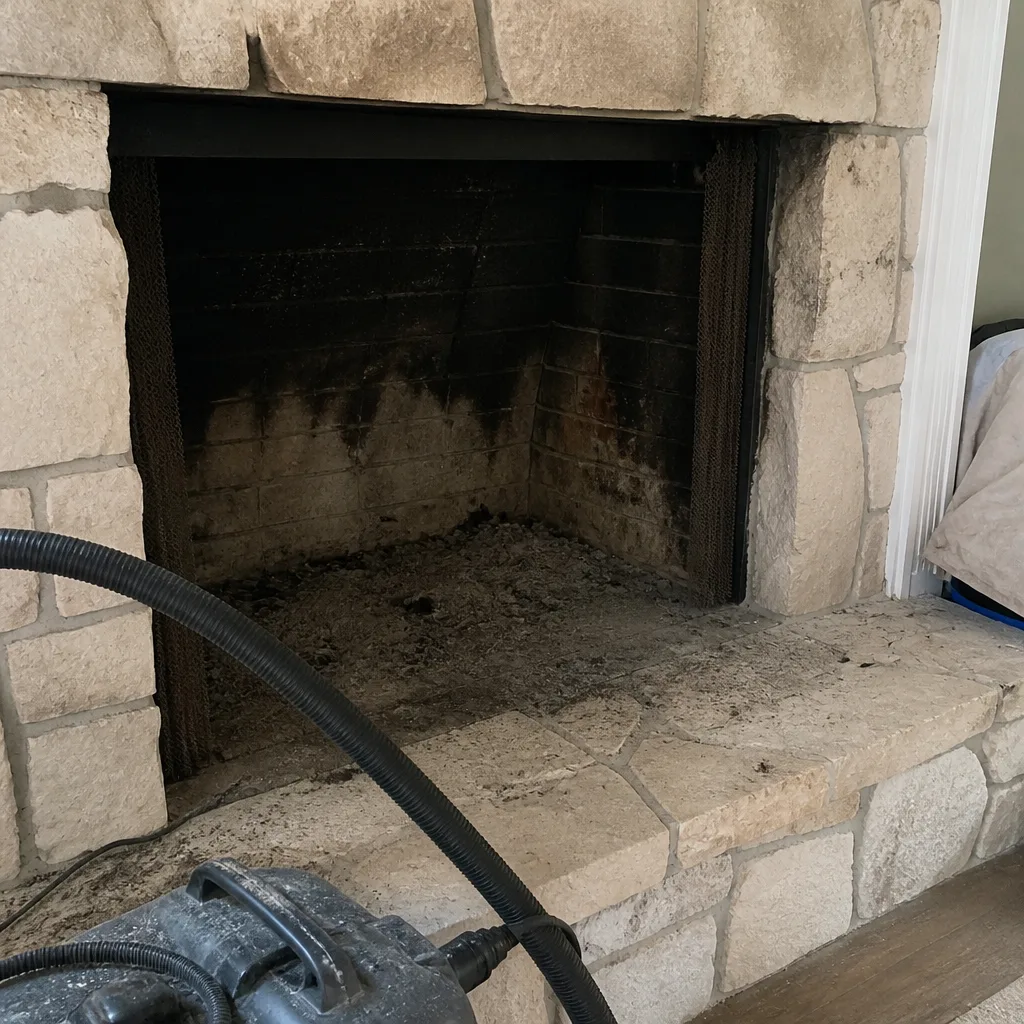 Before
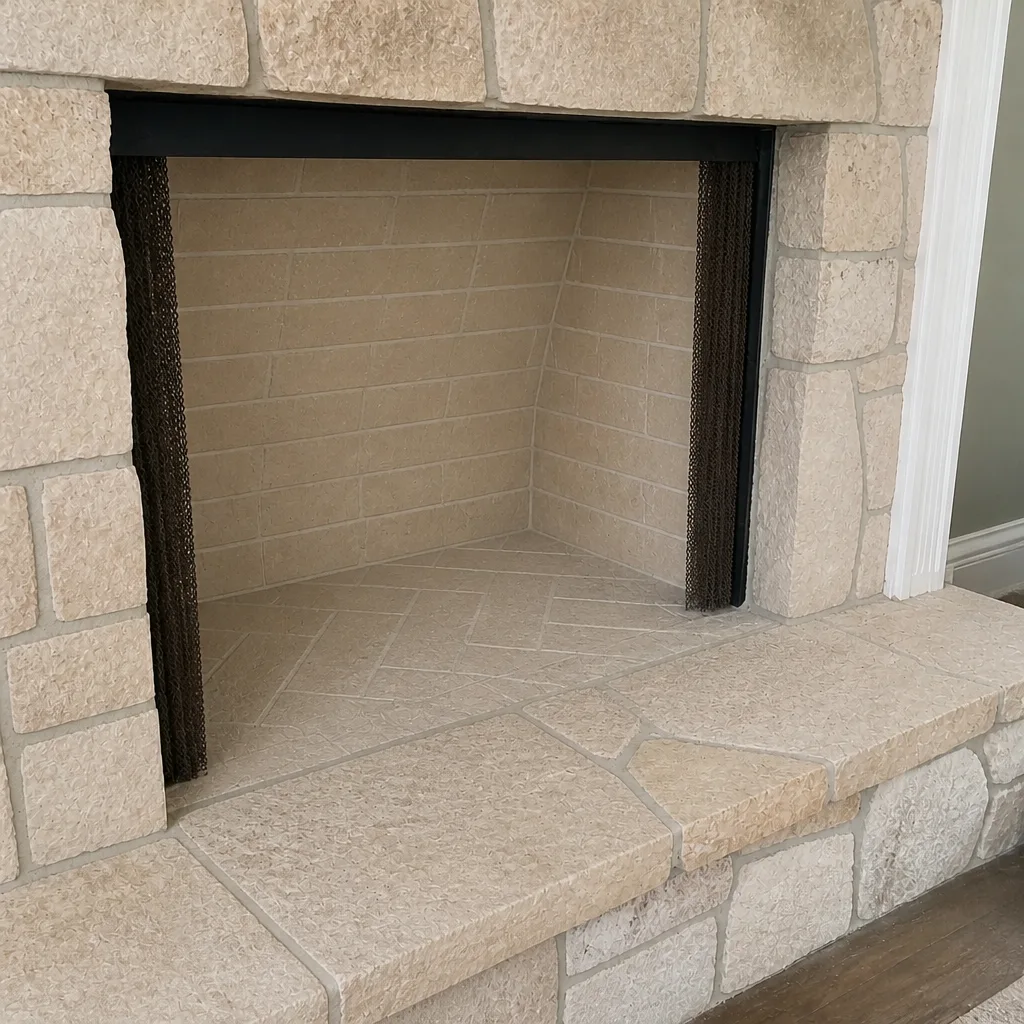 After
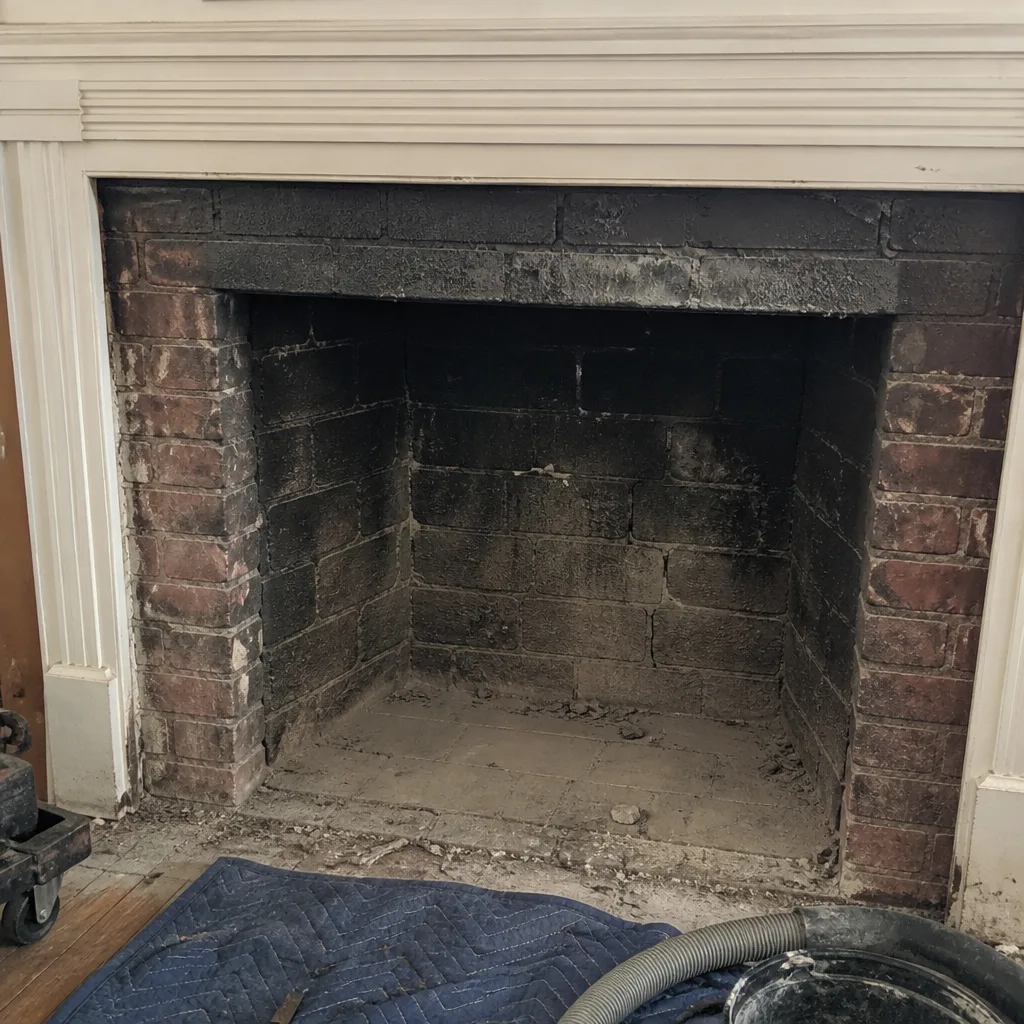 Before
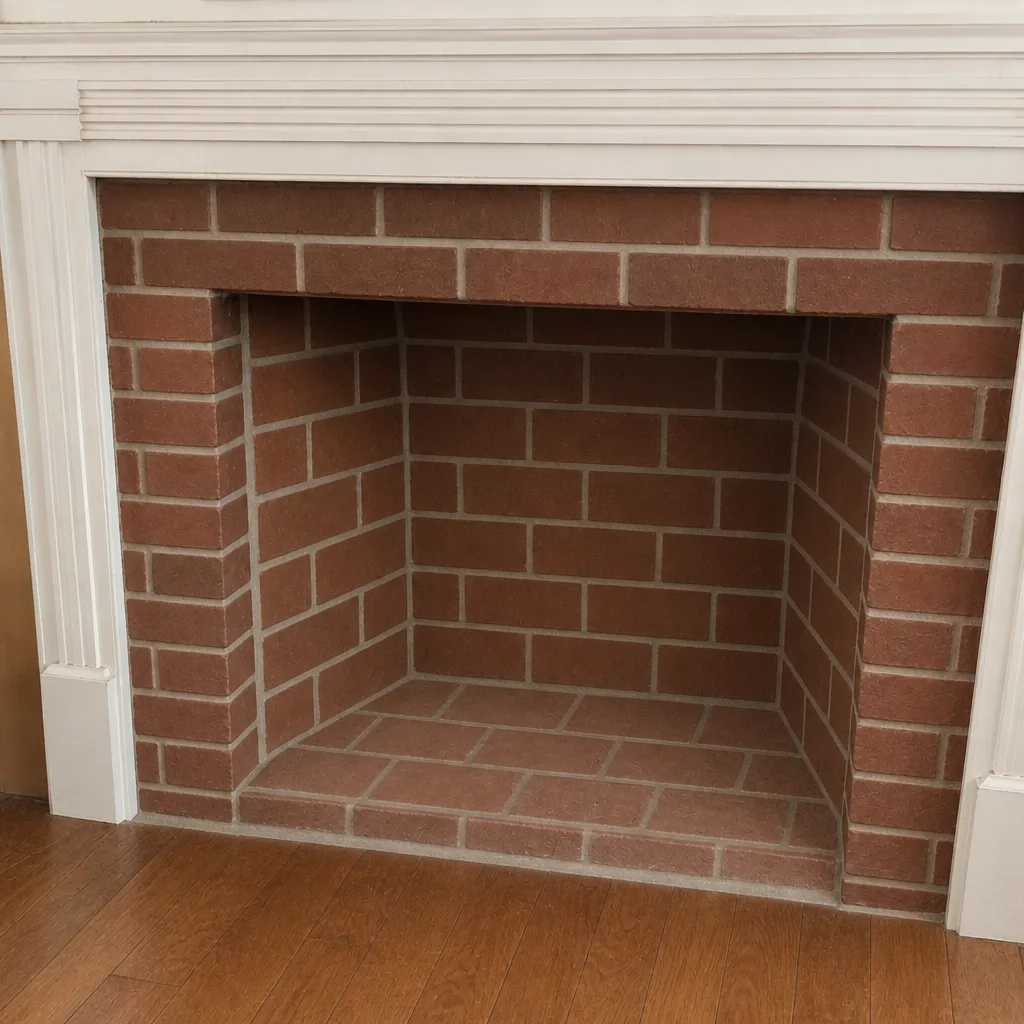 After
When to Call a Professional
You should call a professional the moment any of these is true: you don’t know the condition of your liner, you can see shiny or crusty creosote, the chimney has an offset flue, the firebox has cracks or missing mortar, the damper doesn’t work smoothly, the cap or crown is damaged, or it’s a gas system. Those aren’t edge cases – they’re the majority of the chimneys we see in The Heights. DIY brushing only makes sense for a straight, known-good, light-soot system, and most homes don’t clear that bar.
When you call, you get a documented inspection with photos, a flat price agreed before we book the sweep, and a clear recommendation on what can safely wait. Chimney Sweep The Heights offers free estimates in The Heights – call (877) 810-4894. We answer 24/7, with fast dispatch from 7am to 7pm, Sunday through Friday.
Frequently Asked Questions
There’s no fixed number because the right price depends on your system, but the estimate is free and the written quote sets the final price. A flat price is agreed before we book the sweep, and you’ll know what the inspection found and whether any repair is actually needed before you spend on it. Call (877) 810-4894 for a free estimate.
Only for a straight, accessible flue in a prefab or gas system with light, dry soot and a liner you already know is intact. That’s a narrow set of conditions, and most The Heights homes don’t meet them. For anything older, offset, or of unknown condition, professional cleaning and inspection is the right call. Call (877) 810-4894 to book an inspection and find out exactly where you stand.
Most wood-burning fireplaces in regular use should be swept and inspected every year, and more often if you burn heavily or burn unseasoned wood. Gas systems still need annual servicing. The schedule depends on your burning habits and system type, which is why an inspection baseline matters. Call (877) 810-4894 for free estimates and a scheduling recommendation.
Creosote builds up in layers, and when it reaches stage 3 it becomes fuel in the flue, which raises chimney fire risk. A cracked or compromised liner also lets carbon monoxide reach the structure around the flue. The point isn’t to scare you – it’s that these are the two failure modes a sweep and inspection are built to catch. Call (877) 810-4894 for a free estimate.
Bottom-up brushing is possible with the right equipment, but it limits what you can see and how well you can clean an offset or damaged flue. A professional rotary system with a camera can work from either direction and confirm the result. That’s why the equipment matters as much as the brush. Call (877) 810-4894 to book a sweep and inspection.
Not always – a liner only gets replaced when the inspection shows it’s damaged, separated, or undersized for the system. Until a camera has been down the flue, nobody can tell you for certain. A smoke chamber or firebox issue can often be restored with HeatShield instead of replaced. Call (877) 810-4894 for a free estimate and a recommendation based on what the camera actually found.
The Bottom Line
The DIY question is really a question about your specific system, not about whether you’re handy. A straight, modern, known-good flue with light soot might be a reasonable brush-and-maintain job. An older masonry chimney with an offset, glazed creosote, or a liner of unknown condition isn’t – and that covers the majority of The Heights. The honest move is to use a flashlight check as your triage step, then book the camera inspection and let the evidence make the call. You’ll know what’s actually in your flue, what can safely wait, and what needs attention before the burning season. That’s a decision made on evidence, which is the only way to make it.
Call (877) 810-4894. We answer 24/7. Fast dispatch from 7am to 7pm, Sunday through Friday. The team at Chimney Sweep The Heights sweeps, inspects, and repairs – and the free estimate comes before any work begins.
Written by the team at Chimney Sweep The Heights.